Decoding Luxury Bespoke Skincare: Beyond the Surface
Luxury bespoke skincare sits at the edge of high-end beauty and personal choice. It does not simply use one cream or serum for all. It uses formulas that fit your style, habits, and skin needs. As custom methods grow in use, it is wise to see what sets bespoke luxury skincare apart from standard luxury or mass items.
At its best, this type mixes careful formulation, rich textures, and one-on-one advice. At its worst, it may depend on a fancy story and vivid packaging instead of deep differences in its formula. In most cases, it falls somewhere between.
What Defines Luxury Skincare as a Category
Luxury skincare—whether bespoke or not—is not about one ingredient or breakthrough method. It is about how many parts come together:
- Formulation view: A strong idea of how formulas work, layer, and keep good results over time. The focus is on a refined feel and sensory pleasure, as well as function.
- Texture and sensory design: Creams that spread evenly, oils that soak in fast, and lotions that feel soft on the skin with a neat finish.
- Brand story and heritage: Tales of origin, craftsmanship, scientific work, or handmade methods that show skill and uniqueness.
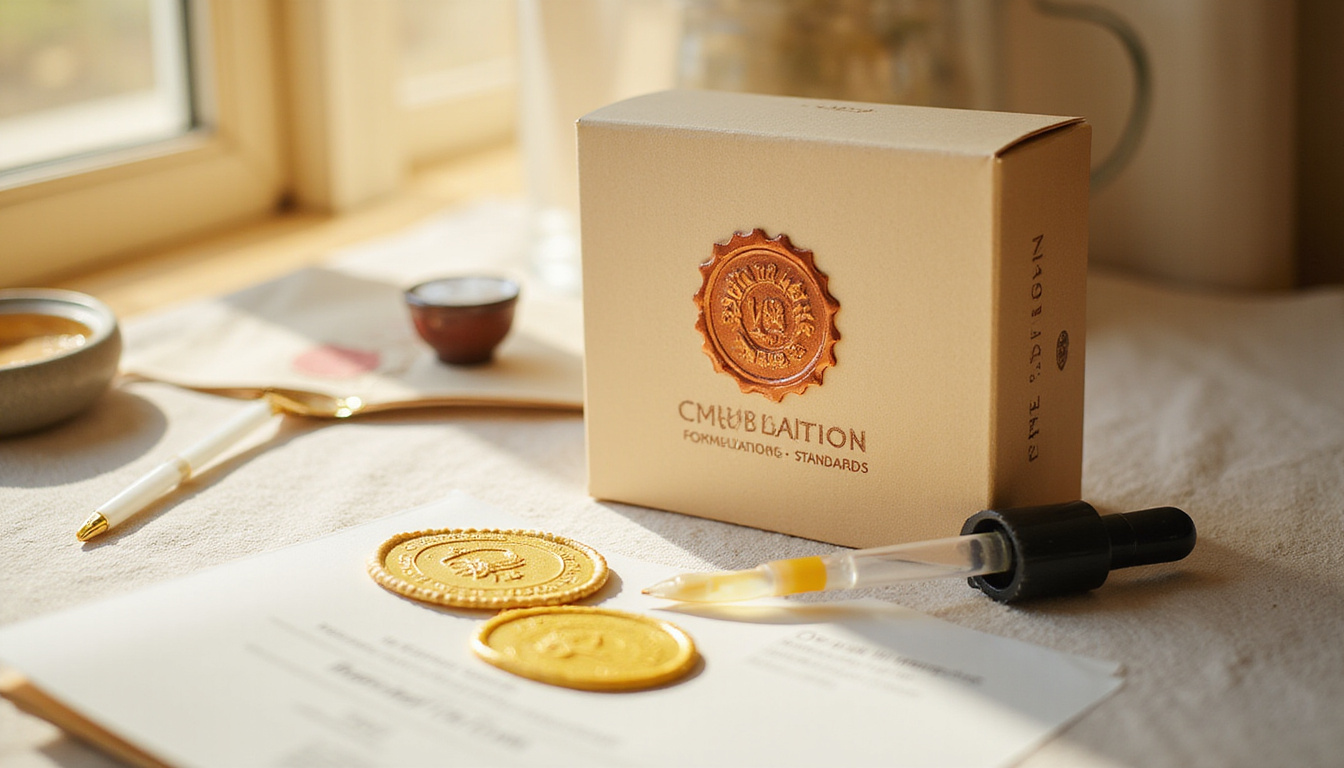
- Visual and touch cues: Heavy packaging, well-tuned dispensers, and clear design details that mark the product as high-end.
Luxury bespoke skincare adds a promise of specific care. Your product is said to be made or adjusted for you. This can mean added ingredient “boosts,” changing textures, or a formula picked after a survey or chat. The true depth of customization can vary, so it is wise to check the basic standards rather than only the label of “bespoke.”
Bespoke vs. Mass vs. Premium: What Actually Changes?
In formulation, skincare falls on a range:
- Mass skincare aims at common issues with formulas that can be used in large batches. It values stability, wide skin use, simple production, and plain textures.
- Premium skincare may give more varied textures, higher doses of chosen actives (within safe limits), and finer scent or packaging while still serving many consumers.
- Luxury skincare stresses:
- Multi-phase textures (serums that feel light yet soft)
- A richer mix of emollients, humectants, and texture agents
- A choice to include scent or go scent-free for sensory reasons
- A well-written story and brand routines
Bespoke skincare adds a model of individual adjustment:
- Modular systems: A basic cream or serum with add-ons (such as for brightening, barrier care, or soothing) picked for each user.
- Algorithm-based choice: A library of ready products picked using online surveys or imaging tools.
- Small-batch or adjusted formulas: Changes to texture, scent strength, or active levels inside a safe, steady framework.
A brand that clearly tells you how and what is changed and how safety is kept gives a more real promise of “bespoke.”
Ingredient Quality vs. Ingredient Storytelling
Luxury labels show rare, patented, or plant-based ingredients. In the bespoke realm, these are said to be picked just for your skin. Two sides arise: the true quality of raw materials and the tale around them.
- Raw material quality
High-grade ingredients are not always rare or odd. They are judged by:
- Purity and uniformity: Tight checks over contaminants, oxidation, and particle size.
- Traceability: Clear details on origin, growth or synthesis method, and steps of processing.
- Formula stability: A proven ability to work under the product’s pH, light, and packaging limits.
Common humectants (like glycerin or hyaluronic acid), emollients, and fatty acids can be as key as headline ingredients. In luxury bespoke skincare, the value lies in how these parts mix and work together, not just in which are used.
- Ingredient storytelling
Stories in this field may focus on:
- Distant plant origins
- Long extraction processes
- Special mixes with memorable names
The stories may reflect true sourcing or research. They may also serve as a brand tool, with a small share of “story” ingredients added to common bases.
To look past the story, ask:
- Does the brand say what role the ingredient plays (for example, as an antioxidant, for skin support, or for textural change)?
- Are there guides or basic facts on the ingredient’s role in skin care? Many groups like the American Academy of Dermatology provide overviews.
- Is the focus only on how rare the ingredient is without clear benefits in the formula?
Luxury formulas can be smart, but smartness is best seen in the overall build rather than one highlighted extract.
Sensory Experience and Formulation Elegance
A strong mark of luxury skincare is how a product feels from first touch to last impression.
Key points include:
- Texture changes: Gels that slow melt to oils, balms that shift into creams, or lotions that start rich and then feel light.
- Spread and glide: No tugging or clumping when used with other products; a steady feel even when used sparingly.
- Finish and skin feel: Whether the skin feels matte, soft, or dewy is planned and consistent.
- Scent design: Well-matched scent profiles, or a clear choice to skip scent with focus on a neutral or low odor, based on the brand’s view.
In the bespoke branch, brands might adjust:
- The weight of the base (gel, lotion, cream, balm)
- The strength or absence of scent
- The thickness or “weight” of the formula to meet weather or personal style
These changes can affect how the product feels and works. Good textures and design do not always mean the product works better; a pretty cream can behave much like a simpler one if the main parts and actives match.
Skin Compatibility and Sensitivity Considerations
A strong pull for luxury bespoke skincare is its chance for better skin fit. The idea is that the product may cause less discomfort because it is picked or changed for you.
Key points include:
- Scent and natural oils: Luxury products may show rich scents as part of their appeal. Bespoke options let you choose lower scent levels or a scent-free version. For those who want to lower possible skin stress, this choice matters.
- Active levels: A brand might vary the dose of select actives within safe and legal limits based on what you say about your skin. These changes still follow common rules and are not made under medical care.
- Texture and feel: Some effects—like a short tingle or warm feel—are meant as a texture note rather than harm. Brands may change formulas to lessen these effects for users who do not like them.
Remember that even made-for-you products are planned without a direct clinic check of your skin. The change comes from what you report and brand-set rules. If you face strong skin issues or ongoing problems, general doctor advice stays important, no matter how custom or high-end the product is.
Brand Transparency and Consumer Trust
In a field that leans on a strong story and a sense of rare quality, clear honesty is a key guide of quality.
Signs of clear honesty can be:
- Clear ingredient lists: Easy-to-read, full INCI lists instead of vague groups or secret mixes.
- Explained ingredient roles: Notes that say what each type of ingredient (for example, humectants or emollients) does when they work together.
- Simple words to explain the custom steps: A plain look at how a brand picks or changes formulas and what parts it can change (texture, scent, actives, or only the wrapper).
- Consistency between what is claimed and what is done: For example, a brand that talks about simplicity and purity but gives short, clear ingredient lists and light scent, not heavy, fun formulas.
Luxury bespoke skincare sometimes comes with personal advice—online skin checks, surveys, or in-person talks. These steps may seem scientific. Still, the method behind them is usually hidden. Check how a brand shares the limits of its checks to judge its overall clear approach.
When Luxury Skincare Aligns — and When It Does Not
The key issue is not if luxury bespoke skincare is a perfect choice for everyone, but if its strong points meet your own needs and hopes.
How it works well:
- You value how a product feels, smells, and fits into your daily care.
- You prize good build and careful detail, from how it is packed to how it feels, and you let these parts affect how often you use it.
- You like having one-on-one, custom experiences that let you fine-tune richness, scent strength, or skin focus like hydration or surface shine.
- You see the brand story and design as part of your care, not just surface gloss.
Why your views might change:
- Some expect strong changes from a product merely because it is known as luxury and bespoke. Many skin limits work the same across all price ranges.
- Bespoke systems that use extra modules may still share much of the same formula as non-bespoke products. The true change may be small rather than big.
- Beautiful textures and high-end packaging can be seen as proof of better work, even if they only show a smart design and presentational care.
A balanced view sees the strong points of this field—refined care, choice, and a sense of special treatment—while staying true to the limits of skin products.
Practical Ways to Evaluate Luxury Bespoke Skincare
Without naming or comparing products, certain questions can guide you in a careful look:
Formulation clarity
- Does the brand share in simple words what its formulas try to do (for example, support the skin barrier, smooth the surface, add comfort, or work well with other routines)?
- Does it discuss ingredient types with basic facts?
Personalization depth
- Is the custom side mainly about choosing from a set of ready formulas, or does it let you adjust points like texture, scent strength, or active focus?
- How open is the brand about the factors it uses to change the formula?
Sensory and routine fit
- Do the textures and finishes feel like what you want for your skin during the day?
- Does the brand talk about using the product with other routine steps?
Transparency and balance
- Are the benefits described in measured words, or do they use big, absolute claims?
- Does the brand admit that each skin experience can vary and that no single product fits everyone?
These questions do not tell if a product is “good” or “bad.” They help shift the talk from marketing to how the brand really works.
FAQ: Understanding Luxury Bespoke Skincare
Q1: What makes luxury bespoke skincare different from standard personalized skincare?
Luxury bespoke skincare mixes custom choice with a strong focus on texture, scent, daily care, and brand story. While standard personalized care may only match actives to needs, luxury versions work more on textures, finishes, advice sessions, and detailed packaging. They put personal care into a wider, curated routine.
Q2: Does custom luxury skincare always work better than non-bespoke options?
Not always. Custom care may better match textures, scent, and actives to your style. This can make your routine more comfortable. Still, many basic skin limits work across all types. How well a product works depends on its overall design and how often you use it. It is not only about being called bespoke.
Q3: How can I tell if a luxury skincare brand’s bespoke claims matter?
Look for clear notes on what is changed—such as base feel, scent strength, or active focus—and how those choices are made. Brands that offer clear ingredient facts, explain their method in plain words, and use careful, real talk about results tend to show a stronger claim than those that use mainly poetic language or vague custom words.
A Measured Perspective on Luxury Bespoke Skincare
Luxury bespoke skincare is best seen as a way to build both the formula and the user journey rather than a sure sign of better results. Its strong points lie in careful detail, a pleasing sensory feel, and the know-how that comes with using something made for you. Its limits come from the common bounds of skin care: skin biology, legal rules, and the gap between a product’s style and its work.
By looking at how a formula is built, how open the brand is, and the real meaning of personalization—rather than just the words—buyers can view luxury bespoke skincare as a choice based on texture, daily care, and brand feel, not as a simple way to get better skin.