Luxury Ceramides: Where Skincare Science Meets Status
Luxury ceramides occupy a particular niche in skincare: they sit at the intersection of barrier-supportive science and elevated brand storytelling. Ceramides themselves are not inherently “luxury”—they are fundamental lipids naturally present in the skin’s barrier. What turns them into a luxury skincare concept is how they are sourced, combined, stabilized, and framed within a broader formulation and brand philosophy. Understanding this divide helps consumers distinguish between genuine barrier-focused design and the allure of sophisticated packaging, textures, and narratives.
This article explores how ceramide-based formulas are approached within the luxury skincare category, what “high-end” standards can realistically offer for barrier health, and where expectations should remain measured.
What Actually Makes Skincare “Luxury”?
Luxury skincare is not defined solely by branding, ornate jars, or heritage narratives. Within the context of barrier-supportive products, several characteristics often distinguish this category from mass and mid-tier options:
- Formulation complexity: Multi-lipid systems, supporting humectants and emollients, and stabilizing technologies designed to enhance the skin feel and longevity of active ingredients.
- Texture and sensorial detail: Emphasis on elegant spreadability, quick absorption, soft-focus finish, and a refined, non-greasy afterfeel.
- Aesthetic identity: Distinctive packaging, visual storytelling, and tightly controlled brand imagery.
- Narrative around research: References to “proprietary complexes,” in-house labs, or collaboration with scientific disciplines, though the depth and transparency of this research can vary widely.
In barrier-focused products centered on ceramides, “luxury” typically manifests not in the use of ceramides alone—common across all price tiers—but in how the entire formula is constructed and presented. The question for consumers is whether those refinements translate to meaningful benefits for skin barrier comfort and resilience, or primarily to a more refined experience.
Ceramides and the Barrier: The Science Behind the Story
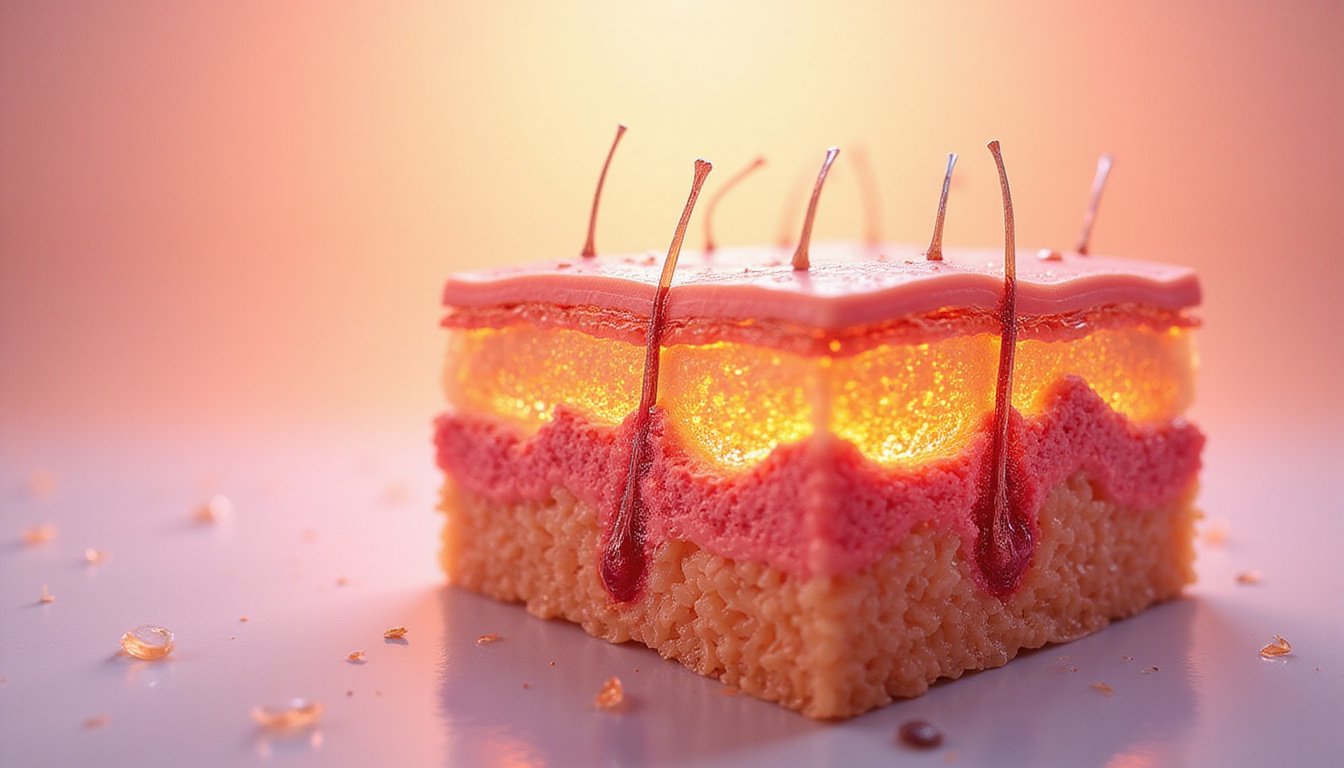
Ceramides are waxy lipids that account for roughly half of the skin’s stratum corneum lipids by weight (source: Journal of Lipid Research). They help create a structured, layered matrix with cholesterol and fatty acids, supporting the barrier’s ability to:
- Limit transepidermal water loss
- Maintain flexibility and softness
- Provide a protective interface with the external environment
Most topical ceramide products, whether mass or luxury, use synthetic or bioidentical ceramides that mimic those naturally present in the skin. Within luxury ceramide formulations, you may see:
- Multiple ceramide types (e.g., NP, AP, EOP) used together
- Defined lipid ratios attempting to approximate the skin’s own composition
- Supporting barrier lipids such as cholesterol and free fatty acids added intentionally
While these design choices are often grounded in barrier science, they are not unique to high-end formulations. What can differentiate luxury ceramide products is the level of attention applied to balancing these components with texture, stability, and sensory detail.
Ingredient Quality vs. Ingredient Storytelling
With luxury ceramides, brand narratives frequently highlight “rare” lipid sources, exclusive complexes, or advanced encapsulation. The key distinction for consumers is between ingredients that meaningfully influence barrier behavior and those that primarily add to the story.
Areas where ingredient decisions may genuinely matter:
Ceramide diversity and structure
Using a broader spectrum of ceramide types may support a more biomimetic lipid profile, but the significance of this difference can depend on the overall formula and individual skin needs rather than on ceramides alone.Lipid system design
Incorporating ceramides alongside cholesterol and fatty acids, in thoughtfully balanced ratios, may support a more coherent barrier-mimicking structure than ceramides in isolation.Stability and delivery
Encapsulation or specialized emulsions may help maintain ingredient integrity within the formula and improve cosmetic elegance, although the magnitude of this impact can vary and is rarely disclosed in quantifiable detail.
Elements that veer more into storytelling than demonstrable differentiation:
Exotic or rare oils as a central selling point
Some oils can provide beneficial emollience or antioxidants, but their presence does not automatically elevate barrier support beyond simpler, well-chosen lipids.Opaque “complex” names
Branded complexes that combine common ingredients under proprietary names can suggest advanced science without always offering clear, comparative performance information.
Luxury branding does not inherently indicate higher purity or superior ceramide sources. Quality often depends more on manufacturing standards, stability testing, and coherent formula design than on how rare or romanticized an ingredient sounds.
Sensory Experience and Formulation Elegance
One of the most distinct features of luxury ceramide products is how they feel and behave on the skin. Barrier-supportive formulas can be heavy, occlusive, or slow to absorb if not carefully engineered. Luxury-oriented chemists often devote substantial effort to making ceramide-rich products:
- Spread effortlessly without dragging
- Absorb without residue or pilling
- Layer smoothly with other products and makeup
- Leave a refined finish—dewy, satin, or soft-matte, depending on the brand’s point of view
To achieve this, they may use:
- Advanced emulsifier systems that stabilize high lipid loads without heaviness
- Novel texture agents (such as certain polymers or gel networks) to create a “cushiony” feel
- Fine-tuned oil blends that balance nourishing, slow-absorbing lipids with faster-absorbing esters
These design choices rarely change the fundamental role of ceramides in barrier support, but they can make consistent use more pleasurable. For many consumers, this is where the luxury proposition carries the most weight: an elevated experience that fits seamlessly into daily life, encouraging adherence to barrier-care routines.
Skin Compatibility and Sensitivity Considerations
Ceramide-focused skincare is often associated with comfort and nurtured barrier function, but within the luxury segment, formulations can be complex. This complexity brings nuances for sensitive or reactive skin:
Potential advantages:
Barrier-supportive frameworks
Multi-lipid systems, humectants (like glycerin or certain glycols), and film-formers may work together to reduce perceived dryness and tightness.Refined textures
Non-greasy, balanced formulas can be more comfortable for those who dislike heavy occlusives yet still need barrier-conscious care.
Potential drawbacks:
Fragrance and aromatic components
Luxury formulations frequently emphasize scent and sensorial rituals. Fragrance, essential oils, or aromatic plant extracts can heighten the sensory experience but may be unsuitable for some highly reactive skin types.Long ingredient lists
Complex formulas introduce more potential contact points for individual sensitivities, even when each ingredient is technically “well-tolerated” for most.Multiple actives in one product
A luxury ceramide cream may combine lipids with exfoliating acids, retinoid derivatives, or other activity-focused ingredients. This can streamline a routine but may complicate tolerance, particularly for already-compromised barriers.
For those prioritizing barrier health, the presence of ceramides alone does not guarantee compatibility. Texture, fragrance choices, and the presence of additional actives all shape how a product will interact with sensitive or disrupted skin.
Brand Transparency and Consumer Trust
As luxury ceramides gain broader visibility, brand transparency becomes a crucial factor in evaluating quality beyond presentation. Indicators of more informative, consumer-respectful communication can include:
Clear ingredient lists
Full INCI listings, accessible and consistent across packaging and online materials.Unembellished explanations
Descriptions that distinguish between ceramides’ known functions and more aspirational language, without overstating effects.Context for complexes
When proprietary blends are used, some brands offer at least a basic breakdown of their components and purpose, rather than relying solely on a trademarked name.Realistic positioning
Language that frames ceramide skincare as supportive for comfort and barrier maintenance, rather than promising dramatic overnight transformations.
Transparency does not automatically correlate with luxury status; some mass brands are exemplary in this area, while certain high-end labels remain vague. Within the luxury segment, consumers can look for a balance between evocative storytelling and straightforward information about what the formula is designed—and not designed—to do.
When Luxury Ceramides Align With Barrier Needs—and When They Don’t
Luxury ceramide formulas can be well-suited to certain preferences and usage scenarios, and less aligned with others. Broadly, they may be most compatible when a consumer values:
Texture and aesthetics as much as function
The desire for a product that looks and feels highly refined, integrates seamlessly into a ritual, and still centers on barrier comfort.Consolidated routines
Products that combine barrier-supportive lipids with other skincare components may appeal to those looking for fewer, more sensorial steps rather than a long series of separate layers.A curated brand environment
For some, the visual and tactile experience of packaging, along with brand narrative, is part of self-care. When coupled with a well-constructed ceramide system, this can be a satisfying intersection of form and function.
Conversely, they may be less appropriate when:
Fragrance or botanicals are problematic
Highly perfumed formulations, however luxurious, can conflict with ultra-minimalist or sensitivity-prone routines.Function is prioritized over sensory appeal
Some individuals prefer stripped-back, utilitarian formulas with minimal components, where sensory refinement is secondary.Expectations lean toward transformative outcomes
Ceramide-centric formulas are barrier-supportive and comforting but are not designed to dramatically alter skin architecture, expression lines, or pigment irregularities on their own. When framed as part of barrier maintenance rather than transformative treatment, their role becomes clearer and more realistic.
FAQ: Luxury Ceramides and Barrier Health
1. Are high-end ceramide formulas better for the skin barrier than simpler options?
Not inherently. Luxury formulations may offer more refined textures, broader lipid systems, or additional sensorial elements, which some people find easier and more pleasurable to use. However, barrier comfort often depends on the overall formula design, personal skin tolerance, and consistent application rather than on the prestige status of the product.
2. Do premium ceramide complexes repair a damaged barrier more effectively?
Barrier comfort can be supported by ceramides in a thoughtfully balanced formula, whether the product is positioned as premium or not. “Complexes” often combine recognizable ingredients under a proprietary name. Without clear comparative data, it is difficult to assume that such complexes outperform simpler yet well-constructed alternatives in a clinically meaningful way.
3. How can I evaluate ceramide-rich luxury skincare without relying on branding alone?
Focus on the formulation details that you can see:
- Presence of ceramides alongside other lipids such as cholesterol and fatty acids
- Overall ingredient list length and complexity in relation to your sensitivity level
- Fragrance and potential irritants, depending on your tolerance
- Realism of brand claims around barrier comfort and skin feel, rather than promises of dramatic structural change
This approach allows you to assess whether a luxury formula aligns with your barrier needs and personal preferences, instead of relying solely on status cues.
A More Informed View of Luxury Ceramides
Luxury ceramides illustrate the broader tension in high-end skincare: meaningful science coexisting with sophisticated storytelling. Ceramides themselves are workhorse lipids central to the skin’s barrier, used across all market tiers. What distinguishes their role in luxury formulations is less the ingredient in isolation and more the surrounding architecture—texture, sensory nuance, multi-lipid design, and curated brand identity.
For consumers, the most useful perspective is neither to dismiss luxury skincare as purely decorative nor to assume that prestige status guarantees superior results. Instead, it is to recognize that barrier-supportive ceramide formulations can be found in many categories, while luxury approaches may add value primarily through elegance, sensory refinement, and ritual appeal.
Evaluating luxury ceramide products through the lens of formulation coherence, transparency, and personal skin compatibility allows for more grounded decisions—where status is optional, but understanding is essential.