Luxury Facial Balm: Beyond the Jar and Into the Formulation
The term luxury facial balm paints a clear picture: a heavy jar rests beside rich textures, and each product promises a gentle change. In today’s busy skincare world, the word luxury serves as both a claim and a way to stand out. One must look at the formula, feel, and brand honesty to see what sets a high‑end balm apart from mid‑ or mass‑market types.
This article explores the parts that build a luxurious balm, shows how these products differ from others, and helps you decide when such a balm fits with your skincare routine.
What Defines Luxury Skincare in Balm Form
Luxury skincare does not depend on one simple trait. It relies on cues that work together to meet customer hopes. In balms, clear patterns appear:
Formulation Philosophy
High‑end balms work as multi‑task tools. They clean, moisturize, mask, or serve as overnight care and bring a gentle ritual to each use. Their formulas stay mostly free of water. They focus on mixes of butters, waxes, plant oils, and sometimes skin-mimicking ingredients. Each element sits close to the next to support texture and smooth feel.Thoughtful Ingredient Curation Rather Than Mere Minimalism
Luxury is not about using a few ingredients only. It arises from careful selection. These balms avoid common fillers like plain mineral oil. They pick rare plant extracts, complex textures, and a mix of well-known and specialty actives. Each ingredient links directly to a sense of refinement.Refined Sensory Profile
Texture and scent matter here. A high‑end balm shifts from a thick solid to a soft oil when it meets the skin. Its feel remains even and smooth. Many products aim for a quiet, thoughtful experience that makes each use feel well planned.Narrative and Identity
Storytelling helps luxury skincare stand apart. References to heritage, handcrafted details, or advanced research all point to a balm that is more than just practical. This story, though not a strict measure of performance, sets a high expectation in the mind of the user.
In the end, a luxury balm counts on the quality of its ingredients, the care in its texture, and clear brand cues to form its role.
Ingredient Quality vs. Ingredient Storytelling
In luxury balms, ingredient lists appear like a short menu of choices. It is important to tell real formulation quality from words that charm only.
Base Oils and Butters
High‑end balms often mix:- Plant oils such as jojoba, plant‑source squalane, evening primrose, and rosehip. They support both texture and stability.
- Butters and waxes like shea, mango, cocoa, beeswax, or lab‑made waxes. These produce structure and a sealing barrier.
Each ingredient, refined and stable, connects closely with the next. For instance, cold‑pressed oils carry more natural aroma but come with a higher chance of change if not handled with care. High‑end balms mark a careful balance around these points.
Signature Actives
Some balms include:- Lipid‑friendly antioxidants (for example, vitamin E forms or coenzyme Q10)
- Retinoid forms or peptide groups that work within a thick balm
- Fermented or factory‑made ingredients that point to a new era in skincare
One must check that each active sits well within the product. A luxury balm has each ingredient carefully placed for both performance and feel.
Fragrance and Essential Oils
Scent plays a big role. Many balms use essential oils or scent molecules to set a mood. This guest variable sometimes can upset sensitive skin.A smart formulation keeps the scent strong enough to feel special yet soft enough to avoid skin upset. Some brands choose a light touch, while others set a clear, strong odor as part of their idea.
Each quality ingredient works with those near it to support balance, stability, and sensory delight. The story behind the ingredient must match the way it is placed in the balm.
Sensory Experience and Formulation Elegance
The phrase formulation elegance shows how high‑end balms aim to stand apart from mass or even premium types.
Texture Transformation
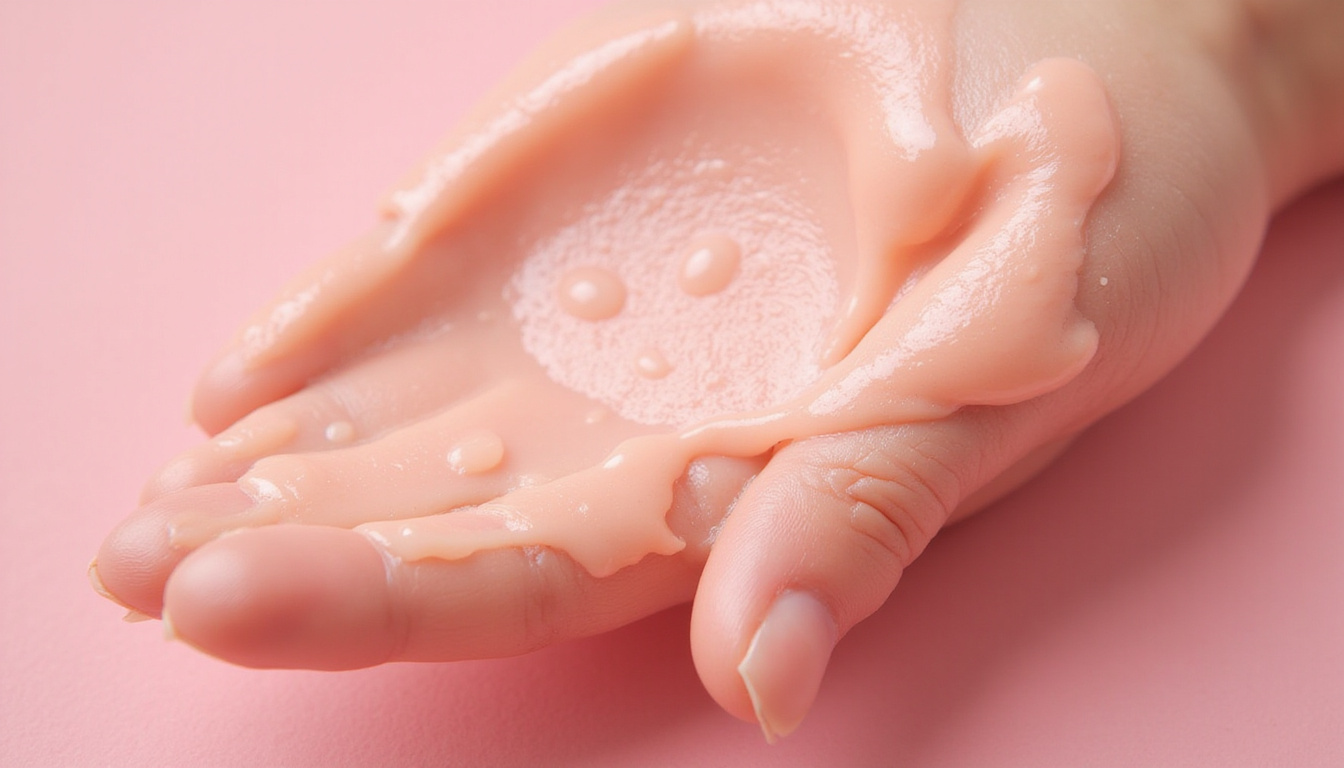
High‑end balms often aim for a melt that feels smooth and low‑resistance. They keep any graininess, clumping, or waxy film away. Whether used on dry skin or skin with a bit of water, each balm stays even in feel.This balance comes by mixing waxes, butters, oils, and esters and by keeping a close check on melting points and crystallization. When each element connects well, the balm delivers a soft glide instead of a heavy coating.
Finish on Skin
In high‑end formulas, the finish on the skin may be:- A soft, enveloping layer for night use
- A fresh, non‑oily look to work with other layers during the day
- A slip that suits facial massage or guided rituals
Many mass‑market balms can feel either too waxy or too oily. In contrast, a luxury version usually sits well with the skin instead of resting on top.
Ritual and Pace
Many luxury products aim for a slower pace of use. A balm that warms on the fingers, fills the air with a fair aroma, and moves softly onto the skin counts as part of a calm routine.While the act of ritual does not change the product’s basic job, it does add a sense of value and care to the routine.
Skin Compatibility and Sensitivity Considerations
A key balance in luxury facial balms lies in the mix of rich feel and skin comfort.
For Dry or Challenged Skin
Many balms, with their full oil base, provide a sealing layer to keep water close to the skin. They work well when applied over lighter skin serums or mists. Their dense lipid mix appeals to skin that feels tight or lacks moisture in cold or dry times.Yet a rich feel does not mean the balm suits every skin type. Strong essential oil blends or heavy oils might not work for skin prone to congestion or redness.
For Combination or Oily Skin
One idea is that a balm must be heavy for oily skin. Yet some balms are built with lighter esters and quickly absorbed oils that fit oily skin when a small amount is used or it targets specific spots.Since luxury balms often focus on a rich feel and scent, some elements might feel too heavy for a few users. It is best to try a small amount first, especially on skin areas known to clog.
Fragrance Sensitivities
Fragrance, whether from natural or synthetic sources, can unsettle sensitive skin. In the luxury space where scent is key, this is a point to note. Sensitive users must look at a balm’s full list and read terms like “aromatic blend” or “botanical infusion” with care.
A luxury balm does not always mean a gentle skin choice. How the formula is designed for sensitivity varies from brand to brand.
Brand Transparency and Consumer Trust
A luxury skincare brand builds trust with clear and open hints about its work.
Clear Ingredient Lists
Many rules require a full list of ingredients. Luxury brands go beyond simple lists. They explain what each part does, where it comes from, and if a claim like “vegan” or “fragrance‑free” covers the full formula.When a balm mentions a special mix or a rare extract, a clear breakdown helps users decide if that mix matters to them.
Evidence-Based Claims
Some brands show tests from their own labs or from outside sources. They may note tests on hydration or share results from a user panel. While these numbers are not from medical studies, clear methods and measures can build trust.Environmental and Ethical Positioning
High‑end balms often join talks around green practices, fair sourcing, and smart packaging. Glass jars, refill plans, and traceable ingredients appear in these brands. Specific audits or certifications give more weight to these claims than vague words about care for nature.
When a brand places its story near the formula and the ingredient, each part works to build trust in the user’s mind.
When a Luxury Facial Balm Fits Your Routine—and When It Does Not
Deciding if a high‑end balm belongs in your skincare steps is not about the label alone. It rests on its function and the moment you choose to use it.
Times When a Balm May Work Best
- As the final shield during the night. It sits over light serums or moisturizers to hold in moisture, which suits dry or seasonally parched skin.
- In cold or dry weather. When nature takes moisture away, a well‑made balm can form a soft barrier.
- For massage and intentional use. If you value a slow, calm routine, the soft glide and feel can support your method.
- As spot care. Some people apply balms on areas like the cheeks, around the nose, or on lip lines rather than the full face, which works well for combination skin.
In these cases, a luxury balm may bring a fine texture, a balanced scent, and a well‑matched oil mix.
Times When a Balm May Not Fit as Well
- In very humid weather. A sealing layer may feel heavy, and lighter gels can be enough.
- If your current routine already takes care of barrier comfort. A simple cream might be enough, no extra step required.
- For users who prefer a strict minimal daily routine. Many luxury balms highlight a full scent and sensory feel that can conflict with very low‑fragrance desires.
Matching Your Expectations with the Product
A luxury balm can change how your skincare feels and may fine‑tune the texture and look of your routine. It does not promise a deep change in skin biology beyond what other well‑made products can do.Check how the balm feels, how its parts work together, and if it fits your climate and daily steps. This careful look helps show the real value of the product.
A Closer Look at Luxury Balms
Luxury facial balms sit at the meeting point of science, craft, and design. Their allure comes from carefully balanced textures, layered scents, and a gentle sense of routine that makes everyday care feel thoughtful.
The word luxury does not alone prove a product’s worth. Some high‑end balms show smart, well‑balanced formulas, careful ingredient choices, and open sharing of details; others rest more on a strong brand story.
For you as a user, a smart path is to look at the facts rather than just the label:
• Read the ingredient list for how it suits your skin.
• Think about the time and place you use a balm—your weather, your routine, and the final feel all matter.
• Search for brands that explain not only what sits in the jar but why each part is chosen.
When each ingredient and each detail are linked in a close, clear form, the balm feels luxurious in its look, its scent, and how it joins your skin care with care.