Luxury Hand Cream: Beyond the Tube and Into the Formula
Luxury hand cream sits at an interesting crossroads in skincare. It borrows the visual language of fine fragrance, the science-forward claims of facial care, and the emotional comfort of a daily ritual. Yet for many consumers, understanding what actually distinguishes a luxury hand cream from a well-formulated everyday option is far from straightforward. Packaging, texture, and storytelling often arrive long before any clear information about performance, ingredients, or skin compatibility.
This article unpacks how to read labels, interpret ingredient lists, and understand what “luxury” can—and cannot—reliably mean when it comes to hand care.
What “Luxury” Means in Hand Care
There is no regulatory definition of “luxury” in skincare; it is a marketing concept rather than a legal category. Broadly, luxury hand care tends to be characterized by a combination of:
- Highly stylized packaging and brand imagery
- Emphasis on rare, niche, or sensorially appealing ingredients
- Complex textures designed to feel weightless yet cushioning
- Fragrance profiles that resemble fine perfume more than basic lotion
- Narrative-driven branding (heritage, craftsmanship, or “secret” complexes)
From a formulation standpoint, a luxury hand cream often aims to deliver a particular experience as much as, or sometimes more than, measurable changes in skin feel. This can include a quick-absorbing yet rich emulsion, a velvety or satin finish rather than a greasy film, and a fragrance that lingers subtly without overwhelming.
However, none of these attributes alone guarantees superior hydration or barrier support. The “luxury” label signals an elevated positioning, not an objective standard of efficacy.
Decoding the Ingredient List: Function First, Story Second
The ingredient list (INCI list) is where the difference between ingredient reality and ingredient storytelling becomes clear. In most hand creams—luxury or otherwise—you will see similar functional categories:
- Emollients (e.g., caprylic/capric triglyceride, esters, plant oils) to soften the skin
- Humectants (e.g., glycerin, hyaluronic acid, propanediol) to attract and bind water
- Occlusives (e.g., petrolatum, dimethicone, certain waxes) to reduce water loss
- Film-formers and texture agents for slip, spreadability, and finish
- Preservatives to maintain product stability and safety
- Fragrances and colorants for sensorial appeal
Where luxury formulas may diverge is in the finesse of these building blocks: a higher percentage of lightweight esters instead of heavier oils, or multiple humectants layered for a more refined feel on the skin.
Marketing stories often spotlight specific “hero” ingredients—such as a particular botanical extract, seed oil, or marine-derived component. These may indeed contribute benefits, but they are frequently used at lower concentrations relative to core workhorse ingredients like glycerin and emollients. Their presence does not necessarily transform the formula; rather, they may offer marginal improvement, a distinct texture, or a differentiating narrative.
When decoding the label:
- Look at the first 5–10 ingredients, which usually make up the bulk of the formula.
- Recognize that botanicals and “luxury” actives appearing near the end of the list are present at lower concentrations.
- Remember that glycerin, despite being an unglamorous humectant, is one of the most consistently effective moisturizers in both basic and luxury formulations (source: Journal of Cosmetic Dermatology).
In many cases, the core functional ingredients in luxury and non-luxury hand creams overlap significantly; what changes is the balance, finish, and supporting cast.
Ingredient Quality vs. Ingredient Storytelling
The idea of “better ingredients” is central to the appeal of premium and luxury skincare. However, in practice, “quality” can refer to several different aspects:
- Purity and refinement: More highly refined plant oils or butters may feel less heavy and be less likely to oxidize quickly.
- Consistency of sourcing: Some brands emphasize traceability and specific growing conditions for botanical ingredients.
- Stability and compatibility: High-purity raw materials may offer more predictable behavior in a formula, yielding smoother textures.
These traits can be meaningful, especially for those with sensitivity to irritating impurities or oxidized oils. Yet they are not always made transparent on packaging. Instead, the consumer is often presented with romanticized ingredient stories—rare flowers, artisanal harvests, or remote geographic origins.
It is helpful to distinguish between:
- Functional value – Does the ingredient measurably support hydration, barrier reinforcement, or comfort?
- Narrative value – Does the ingredient primarily enhance the brand’s story, luxury aura, or sensorial identity?
Both can matter, but functional value is what determines whether the cream truly supports the skin’s needs.
Sensory Experience and “Formulation Elegance”
One of the clearest differentiators for luxury hand cream is the sensory architecture: how it looks, feels, spreads, absorbs, and lingers on the skin.
Formulation elegance may show up as:
- Very fine emulsions that disappear quickly while leaving a cushiony after-feel
- Non-greasy finishes that still leave a sense of protection
- Textures that work well during the day, allowing typing or phone use soon after application
- Fragrances with complexity and “dry down” reminiscent of fine perfumery
Achieving this experience typically requires more sophisticated combinations of emulsifiers, emollients, and silicones or silicone alternatives. These components can improve the user experience without necessarily changing the fundamental hydration outcome compared with simpler creams.
For some consumers, the sensual pleasure of application—the way the cream “melts,” the fragrance profile, the satin finish—is a primary reason to choose a luxury product. For others, especially those with sensitive or reactive skin, these very attributes (notably added fragrance) may be less desirable. The key is recognizing that sensorial refinement is a dimension of luxury, but not a direct proxy for skin benefit.
Fragrance: Asset, Liability, or Both?
Fragrance is central to the identity of many luxury hand creams. It can transform a utilitarian product into a small ritual, aligning with a favorite perfume or creating a distinct scent signature for the hands.
Yet, fragrance—whether synthetic, natural, or “from essential oils”—is also one of the more common causes of irritation or intolerance in leave-on products, particularly for those prone to sensitivity. The situation is nuanced:
- Some consumers experience no issues and value fragrance as a key part of their luxury experience.
- Others may only tolerate low levels of softer, less tenacious scents.
- A subset finds fragranced hand creams uncomfortable or irritating over time, especially on already compromised skin (e.g., frequent washing, use of sanitizers, or environmental stressors).
On labels, fragrance may appear as “parfum,” “aroma,” or as a list of essential oils and their constituents. A “natural” label does not inherently mean gentler; essential oils can be potent and reactive for some users.
Understanding your own skin’s tolerance is more important than any blanket rule about fragranced vs. fragrance-free hand care.
Skin Compatibility and Barrier Considerations
Hands are exposed to more frequent washing, abrasive contact, and environmental fluctuation than most other body areas. For that reason, barrier support is central to hand care—luxury or otherwise.
Key supportive elements commonly seen in hand creams include:
- Humectants to draw water into the outer skin layers
- Emollients to smooth the skin’s surface and fill in microscopic gaps
- Occlusive agents to minimize water loss, especially after washing
- Soothing agents (e.g., certain plant extracts, panthenol, allantoin) that may help with comfort
Luxury formulas often aim to deliver these functions while avoiding a heavy “glove-like” residue. The challenge is to balance replenishment with elegance. Some strategies include using lighter esters instead of heavier oils, combining multiple humectants, or using specific film-formers that create a barely perceptible protective layer.
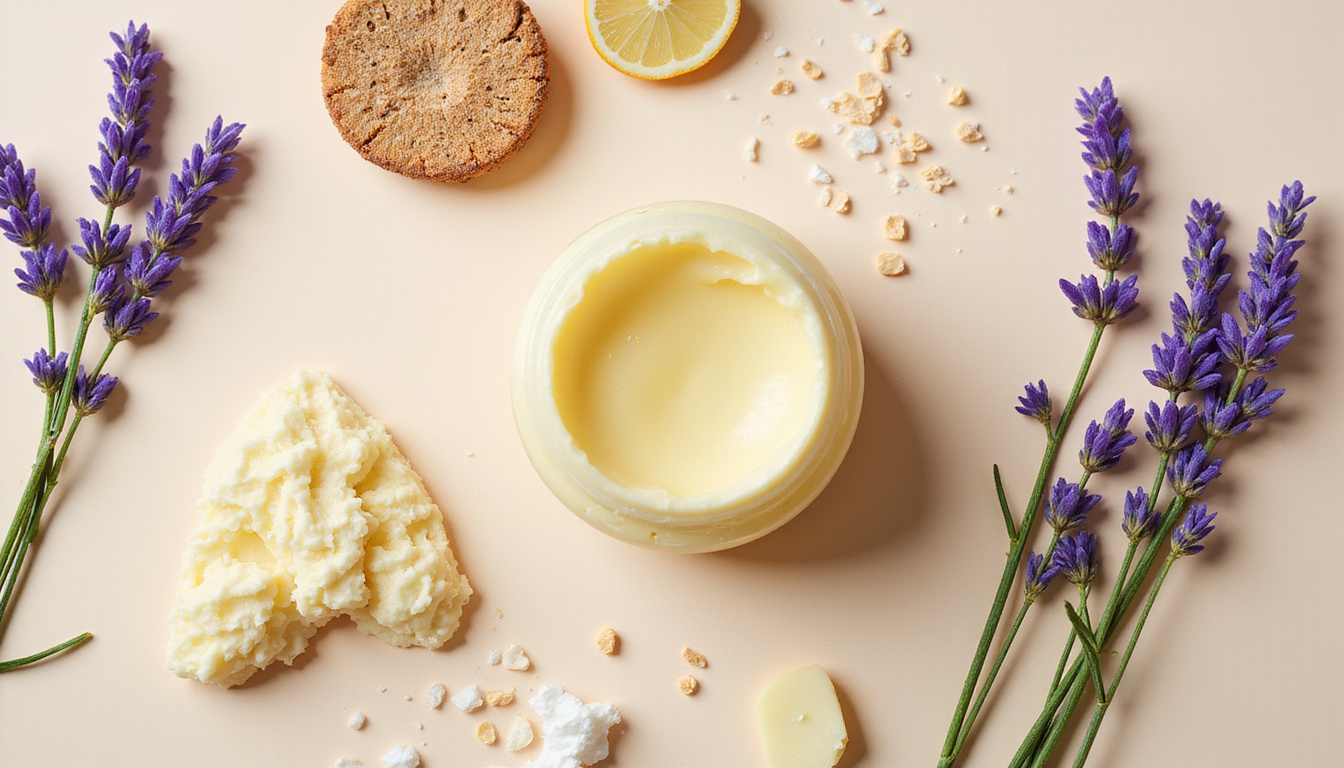
For individuals with very dry, chapped, or compromised hands, extremely refined textures may feel pleasant yet insufficient. In these scenarios, a more occlusive, utilitarian formula—luxury or not—may better support the skin barrier. Conversely, for mild dryness or for daytime maintenance, a lighter luxury texture can align more closely with comfort and usability.
Compatibility is therefore personal: it depends on your skin’s condition, how often you apply, and your tolerance for residue, not just on the “tier” of the product.
Brand Transparency and the Luxury Contract
Luxury positioning often implies a certain promise: elevated standards, considered formulation, and respect for the consumer. Transparency is an important part of that implicit contract.
Helpful forms of transparency include:
- Clear and complete INCI lists
- Indication of fragrance presence and, in some cases, allergen disclosure as required by regional regulations
- Explanations (even high-level) of what key complexes or proprietary blends aim to do
- Honest, measured language around outcomes—focusing on improvement, comfort, and support rather than dramatic transformation
Less helpful are vague claims about “revolutionary complexes” or “secret formulas” with no explanation beyond evocative naming. The more a claim leans on mystery, the harder it is for the consumer to evaluate whether a product aligns with their needs.
While proprietary technologies and trade secrets are standard in the industry, brands that offer even partial insight into ingredient classes and formulation philosophies help consumers make more informed choices—especially in a category where aesthetics can easily overshadow substance.
When Luxury Hand Care Aligns — and When It Doesn’t
Luxury hand cream can be an excellent fit when:
- You value texture, absorption speed, and finish as much as hydration
- You enjoy fragrance as part of a daily ritual and do not find it irritating
- You are looking for a product that integrates seamlessly with a refined aesthetic or personal style
- You appreciate nuanced ingredient blends and the idea of more carefully sourced components, even if the benefits are incremental rather than dramatic
It may be less aligned with your needs when:
- Your hands are severely dry, cracked, or frequently irritated and require more intensive, function-first formulations
- You are highly sensitive to fragrance or specific botanical components
- Your primary concern is straightforward barrier repair, and sensorial refinement is secondary
- You prefer maximal simplicity in ingredient lists for predictability and tolerance
The most effective way to evaluate where luxury fits for you is to separate three questions:
- Does the formula suit my skin’s condition and sensitivity?
- Do I personally value the sensory and aesthetic aspects enough to prioritize them?
- Does the ingredient story align with my expectations, once I look past the marketing language?
Practical Label-Reading Tips for Hand Creams
When scanning the packaging of a hand cream positioned as luxury, consider:
- First 5–10 ingredients: Do you see recognizable humectants and emollients?
- Fragrance: Is it present, and are you comfortable with that in a leave-on product?
- Prominent actives: Where do highlighted botanicals or extracts sit in the list? High or very low?
- Claims vs. composition: Do the claims seem consistent with the types of ingredients present?
- Texture cues: Words like “velvety,” “silky,” or “fast-absorbing” often indicate a focus on sensorial refinement, which may or may not correlate with occlusiveness or intensity of hydration.
No single element reveals everything, but taken together, these clues help clarify what you are truly being offered: primarily comfort, primarily aesthetic pleasure, primarily function, or a deliberate blend of all three.
FAQ: Understanding Luxury Hand Creams
Q1: Is a luxury hand cream always more effective than a basic one?
Not necessarily. Many luxury and basic formulas share similar core ingredients for hydration and barrier support. Luxury options often differ more in texture, finish, and fragrance than in fundamental function. Effectiveness depends on how well the specific formula matches your skin’s needs rather than its market positioning.
Q2: How can I tell if a premium hand cream is suitable for sensitive skin?
Look for concise ingredient lists with fewer potential irritants, be cautious with strong fragrances or numerous essential oils, and pay attention to how your skin typically responds to scented products. Terms like “gentle” or “soothing” are not guarantees; the INCI list and your own experience are more reliable guides.
Q3: What should I prioritize when choosing a high-end hand moisturizer?
Consider your main goal first: intensive barrier support, daily maintenance, or a sensorial ritual. Then evaluate texture preferences (light vs. rich), tolerance for fragrance, and any known sensitivities. Once these are clear, the luxury aspect can be viewed as an added layer of aesthetic and sensory pleasure rather than a stand-in for performance.
A More Informed View of Luxury Hand Care
Luxury hand cream occupies a space where science, design, and emotion intersect. It can provide subtle yet meaningful enhancements to a daily routine—through exquisite textures, carefully constructed fragrances, and nuanced formulations. At the same time, the label “luxury” does not, on its own, guarantee superior hydration, barrier support, or compatibility.
By reading ingredient lists with a functional lens, understanding the difference between narrative and performance, and being honest about your own priorities and skin behavior, you can approach this category with discernment. In the end, the most “luxurious” choice is not simply the most ornate or storied product, but the one that aligns your expectations of comfort, experience, and care with what the formula can realistically provide.