Across the beauty industry, luxury skincare trends increasingly sit at the intersection of advanced cosmetic science, sensory design, and highly choreographed routines. What was once defined primarily by ornate packaging or exclusive branding is now expected to deliver a more complex blend of performance, pleasure, and philosophy. Yet, the signals of “luxury” are not always straightforward, and the gap between perception and formulation reality can be wide.
Understanding what genuinely differentiates luxury skincare from mass and mid-tier offerings requires looking beyond marketing language to examine ingredients, textures, testing methodologies, and how products fit into daily life.
What Defines Luxury Skincare Today?
Luxury skincare is best understood as a category shaped by certain expectations rather than a strict formula. While there is no regulatory definition, several recurring attributes tend to characterize it:
- Formulation emphasis: A focus—at least in positioning—on concentrated actives, proprietary complexes, or novel delivery systems.
- Textural and sensory refinement: Lightweight emulsions, cushiony creams, and easily absorbed oils designed to feel elegant and non-disruptive on the skin.
- Ritualized usage: Multi-step routines presented as self-care practices, often with specific application techniques or pairing “systems.”
- Narrative and heritage: Brand stories that draw on craftsmanship, scientific research, or artisanal sourcing.
- Aesthetic presentation: Heavier components, minimalist design, and tactile packaging details.
However, none of these elements alone guarantee superior outcomes. A mass product can be technically advanced, and a luxury product can be largely story-driven. The defining difference is often how carefully these elements are integrated—and how transparently they are communicated.
Ingredient Quality vs. Ingredient Storytelling
One of the clearest shifts in luxury skincare has been the move from vague promises toward more science-led narratives. Consumers now expect to see recognizable actives—such as peptides, stabilized vitamin C derivatives, ceramides, or encapsulated retinoids—framed within a wider formula context.
Yet there are two distinct layers at play:
Ingredient quality and functionality
- Purity and consistency: Higher-grade cosmetic ingredients may offer better stability, fewer impurities, or more predictable performance, though this varies significantly between brands.
- Stabilization strategies: Antioxidants, chelators, and encapsulation technologies are sometimes used to protect sensitive actives from degradation over time or exposure to air and light.
- Synergistic formulation: Combining supportive ingredients (humectants, emollients, soothing agents) to help balance potentially reactive actives.
Ingredient storytelling
- Exotic natural extracts: Marine components, rare botanicals, and fermentation-derived substances are often showcased, sometimes more for their narrative value than their evidence base.
- Proprietary complexes: Branded ingredient blends may be supported by in-house testing, but results are typically communicated in relative rather than absolute terms.
- Origin stories: Ingredients linked to specific regions or artisanal methods can enhance perceived luxury, even when similar effects might be achieved via more common alternatives.
For consumers, the key is to distinguish between a compelling story and a clearly defined function. Luxury formulations can be genuinely sophisticated, but the presence of rare or trademarked ingredients does not automatically mean a product will outperform simpler options.
Science-Led Formulations: What’s Actually Evolving?
Current luxury skincare trends increasingly highlight technology-forward concepts, though their rigor and impact differ brand to brand. Common themes include:
Encapsulation and delivery systems
Lipid carriers, polymeric capsules, and other systems are used to help stabilize actives and modulate how quickly they interact with the skin’s surface. These approaches may improve tolerability or support steady exposure, but their benefits depend on both design and execution.Biome-focused formulations
Some luxury lines frame their approach around the skin barrier and microbiome, using prebiotic or postbiotic components, or minimizing harsh surfactants and fragrancing. Scientific understanding of the skin microbiome is still evolving, and not all claims are equally substantiated, but the emphasis on barrier support aligns with broader dermatological literature on skin health (source: American Academy of Dermatology).Multi-functional textures
Products are increasingly designed to straddle categories: treatment-serum creams, essence-toners, or balmy cleansers that double as masks. This trend reflects a desire for fewer but more sophisticated steps, even within elaborate rituals.
The overarching trajectory is toward formulas that aim to be both more concentrated and more comfortable. However, visible benefits vary with factors such as consistency of use, existing skin condition, and environmental influences, not just product positioning.
Sensory Experience and the “Ritual” of Luxury
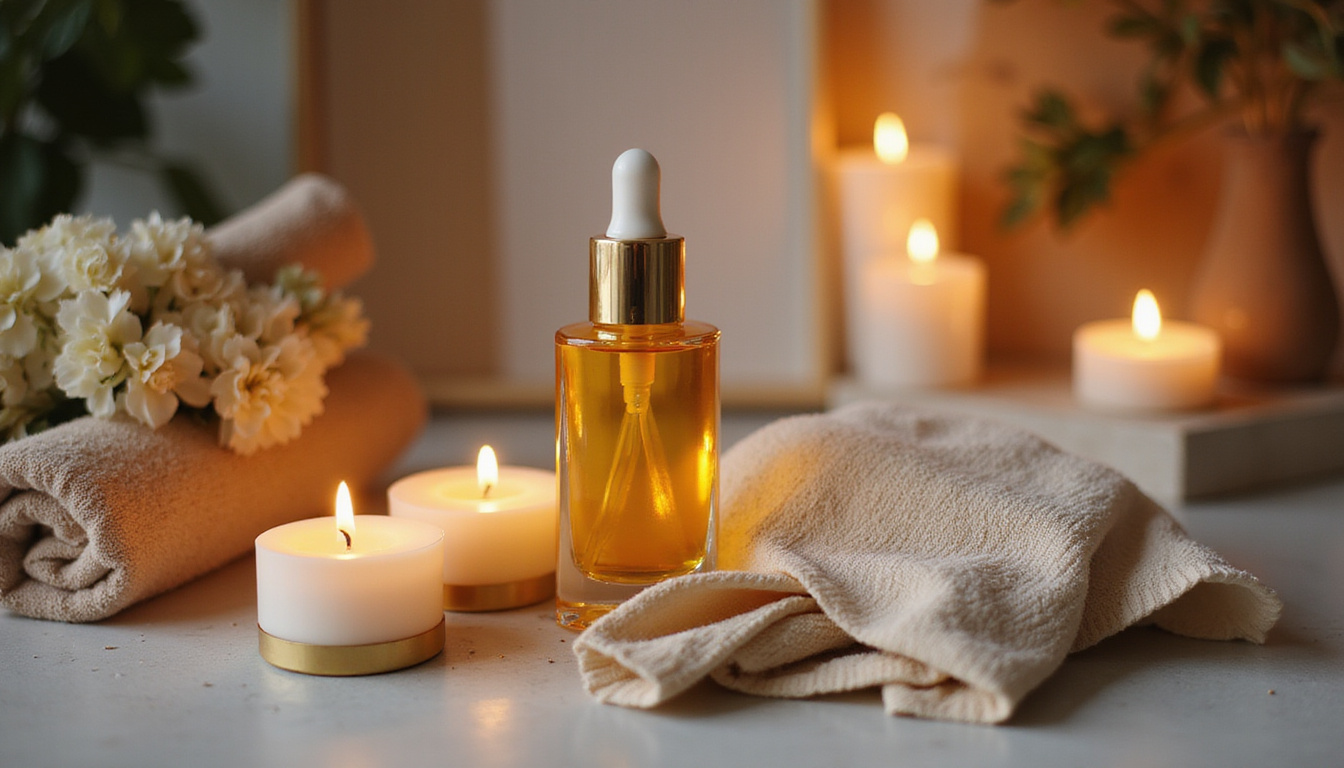
Luxury skincare is as much about the experience as the end result. Sensory design has become a defining pillar of the category:
- Texture: Silky emulsions, quick-break gels, and balms that melt upon contact are engineered to spread smoothly, absorb evenly, and avoid residue.
- Scent: Signature fragrances—sometimes subtle, sometimes more pronounced—are used to differentiate ranges and heighten the ritual aspect, though this can be a drawback for very sensitive skin.
- Application choreography: Brands often propose specific techniques (pressing, massaging, layering) to slow the pace of application and emphasize a moment of pause.
This ritualization serves two roles. Psychologically, it can make skincare feel intentional and restorative. Functionally, slower, more attentive application may improve even distribution and adherence to routine.
However, consumers should be aware that a luxurious feel does not necessarily correlate with superior long-term results. Silicones, emollients, and texturizing agents can create a refined finish without altering underlying skin behavior. Ideally, a luxurious texture supports and complements a well-constructed formula rather than masking its limitations.
Skin Compatibility and Sensitivity Considerations
As luxury formulations emphasize potency and sensoriality, compatibility becomes a nuanced issue. Several factors influence how well such products may suit different skin profiles:
Concentration of actives
Products positioned as intensive or “high-performance” often incorporate higher levels of exfoliating acids, retinoid derivatives, or vitamin C. While this may increase the potential for visible improvement for some users, it can also raise the likelihood of dryness, redness, or discomfort in sensitive or compromised skin.Fragrance and color
Fragrance—natural or synthetic—is common in luxury skincare for branding and sensorial reasons. For individuals prone to irritation, fragrance-free options or minimally scented formulations are often more comfortable, though availability varies across prestige lines.Layering complexity
Elaborate routines combining several actives may cause cumulative sensitivity, especially when multiple exfoliating or retinoid-type products are used in the same regimen. Even sophisticated formulas can become problematic when stacked without attention to overall load.
In practice, luxury skincare is not inherently gentler or harsher than other tiers; it spans the same spectrum. Reading full ingredient lists, understanding personal tolerance, and introducing new formulas gradually remain prudent approaches regardless of category.
Brand Transparency and Consumer Trust
A significant point of divergence within the luxury space lies in how openly brands share information. Transparency has become an increasingly important expectation for discerning consumers. Areas to examine include:
Ingredient disclosure and rationale
Beyond basic INCI lists, some brands outline why certain ingredients are included and at what general strength range (low, medium, high), while others offer mainly narrative descriptions. More concrete explanations can help consumers align expectations with reality.Study design and data sharing
When performance claims are made, the nature of supporting tests matters. In vitro studies, small in-house panels, or consumer perception surveys provide different types of insight, but they are not interchangeable. Luxury lines that clearly describe the type and scale of their evaluations allow more informed interpretation.Ethical and sustainability considerations
Sourcing, animal testing policies where relevant, and packaging choices are increasingly part of the luxury value equation. Refillable formats, responsibly sourced botanicals, and reduced secondary packaging are emerging as signals of modern refinement rather than austerity.
Trust in luxury skincare is less about perfection and more about clarity. Consumers benefit most when brands distinguish between aspirational storytelling and what their formulas are realistically designed to do.
When Luxury Skincare Aligns — and When It Doesn’t
Luxury skincare can be thoughtfully formulated, pleasurable to use, and compatible with a wide range of routines. It can also be underwhelming if expectations are misaligned. Consider the following when evaluating whether a product or line is likely to align with personal priorities:
Formulation focus
- Does the product clearly communicate its primary function (e.g., hydration support, surface smoothing, comfort) rather than promising a complete transformation?
- Are key ingredients explained in context, or mainly presented as rare and exclusive?
Routine fit
- Does the texture integrate well with existing steps, or does it require reconfiguring the entire routine?
- Is the suggested ritual realistic for daily life, or more suited to occasional use?
Sensory vs. performance expectations
- Are you primarily seeking sophisticated textures and a calming routine, or targeted changes in tone, texture, or perceived firmness?
- Does the brand’s messaging emphasize experience, visible improvement, or both, and in what proportion?
Personal skin tendencies
- Are fragrance, rich textures, or multiple layered actives something your skin typically tolerates well?
- Is there clear guidance on how to introduce the product gradually if needed?
Luxury skincare may align particularly well with consumers who value a balance of aesthetic refinement, thoughtful formulation, and a ritualized approach to care. It may be less aligned for those who prioritize minimalism, strong fragrance aversion, or purely functional routines.
A Practical Checklist for Evaluating Luxury Skincare
When assessing any product in this category, it can be helpful to move through a structured lens:
- Identify the formula’s main purpose and the specific changes it aims to support.
- Scan the first third of the ingredient list for active and support components (humectants, emollients, soothing agents).
- Note the presence of fragrance or essential oils if your skin tends toward sensitivity.
- Consider whether the texture and finish match your routine (rich vs. weightless, dewy vs. matte).
- Look for clear, measured claims and, when provided, context for any testing or internal studies.
- Reflect on whether the proposed ritual and frequency feel sustainable for you.
This kind of evaluation works across the pricing spectrum, but is especially useful when products are positioned as prestige or luxury.
FAQ: Understanding the Luxury Skincare Category
Q1: Are current luxury skincare trends always more effective than mass-market options?
Not necessarily. While luxury formulations may invest in advanced textures, encapsulation, or carefully sourced ingredients, effectiveness still depends on formula design, ingredient stability, and how well a product suits an individual’s skin and routine. Some mass-market products can perform comparably to prestige options, particularly in categories with well-established actives.
Q2: How do science-led luxury formulations differ from traditional prestige skincare?
Modern luxury skincare increasingly highlights specific actives, delivery systems, and barrier-support strategies rather than relying solely on heritage or rarity. That said, the degree of scientific rigor varies; some brands share detailed information about testing and mechanisms, while others primarily update language and packaging without substantive formulation shifts.
Q3: Is a multi-step ritual necessary to benefit from high-end skincare?
No. Ritualized routines are a hallmark of the luxury category and can make skincare feel more deliberate and enjoyable, but benefits do not scale simply with the number of steps. A small number of well-chosen, compatible products used consistently is often sufficient, whether or not they are framed as part of an elaborate regimen.
A More Informed Lens on Luxury Skincare
Luxury skincare, at its most considered, blends science-led formulation, sensorial refinement, and thoughtful ritual into a cohesive experience. It can offer textures that are enjoyable to use, packaging that feels substantial, and ingredient combinations that are carefully calibrated for comfort and visible support.
At the same time, the label “luxury” is not a guarantee of superior outcomes. Ingredient stories may outpace substantiation, fragrance may outweigh sensitivity needs, and elaborate routines may exceed what is practical for many users.
The most empowered approach is to view luxury skincare as a set of design choices rather than an automatic upgrade: scrutinize the formulation logic, assess how products fit into your own habits, and prioritize transparency and compatibility over narrative alone. In doing so, luxury becomes less about symbolism and more about selecting products that align with your skin, your preferences, and your definition of meaningful care.