Luxury Sustainable Skincare: A Category Under the Microscope
Luxury sustainable skincare sits at the intersection of high-end beauty and conscious consumption. As consumers become more ingredient-literate and environmentally aware, this category has evolved beyond ornate packaging and aspirational branding. It now raises a different set of questions: What actually defines a luxury formula? How meaningful is “sustainable” in this context? And how can you evaluate quality when marketing narratives are increasingly sophisticated?
This article looks at luxury skincare through a critical, ingredient-focused and sustainability-aware lens—aimed less at glamorizing the category and more at decoding its standards and formulation principles.
What Defines Luxury Skincare Today?
Luxury skincare is less about a specific price band and more about a cluster of characteristics that tend to appear together. Broadly, the category is distinguished from mass and mid-tier products by:
- Formulation complexity and texture refinement
- Packaging design and tactile experience
- Storytelling around rare, niche, or bioengineered ingredients
- Brand positioning centered on heritage, science, or artistry
When a brand adds sustainability to this equation, another layer emerges: sourcing practices, packaging choices, supply chain transparency, and long-term environmental commitments.
Compared to mass skincare, luxury formulas often place greater emphasis—though not universally—on:
- Aesthetic refinement: Silky emulsions, elegant finishes, and fast absorption with minimal residue.
- Perceived innovation: Patented complexes, encapsulation technologies, or proprietary blends.
- Sensory immersion: Distinct fragrances, textures, and rituals that turn daily care into a deliberate experience.
However, none of these attributes automatically guarantees higher skin benefit or lower environmental impact. They indicate a positioning strategy, not a performance guarantee. Sustainable claims add complexity: a beautifully formulated product may still rely on resource-intensive ingredients or difficult-to-recycle packaging.
Ingredient Quality vs. Ingredient Storytelling
One of the defining tensions in high-end skincare is the difference between what an ingredient is and what it represents in marketing.
Ingredient quality typically refers to factors such as:
- Purity and consistency: Low levels of contaminants; standardized active content.
- Traceability: Clear origin of botanical or biotechnological materials.
- Processing methods: Gentle extraction or fermentation that preserves stability and activity.
In contrast, ingredient storytelling focuses on:
- Exotic origin narratives (remote islands, rare flowers, deep-sea algae)
- Heritage tales (centuries-old beauty secrets, artisanal traditions)
- Proprietary complexes with trademarked names and layered branding
In luxury sustainable skincare, this storytelling often extends to ecological narratives: regenerative agriculture, upcycled botanicals, or “zero-waste” harvesting. These can signal thoughtful sourcing, but their real-world impact varies widely.
A more analytical way to evaluate ingredients is to look at:
- Concentration and context: Where does the ingredient sit on the list? How does it function alongside others?
- Evidence base: Is there peer-reviewed research supporting its general category (e.g., antioxidants, humectants), even if not tied to a trademarked name? (For general ingredient science, resources such as the American Academy of Dermatology offer neutral overviews (source).)
- Functionality before narrative: Does the ingredient play a clear role—hydration, barrier support, texture modulation—or mainly carry a story?
Luxury formulas may genuinely invest in high-purity, consistently sourced actives. They may also include botanicals or rare extracts at low levels primarily for marketing appeal. Disentangling the two requires attention to INCI lists, not just the brand’s descriptive language.
Sustainability Claims: From Packaging to Supply Chain
Sustainability in skincare is not a single standard; it is a spectrum. Within the luxury category, common sustainability angles include:
- Packaging strategies: Refillable components, recycled glass, lighter-weight materials, or reduced secondary boxes.
- Ingredient sourcing: Responsibly harvested botanicals, certified organic inputs, or lab-grown alternatives to resource-intensive natural materials.
- Production and logistics: Efforts to reduce water usage, energy consumption, or emissions in manufacturing and transport.
However, these initiatives are implemented unevenly. Some brands integrate sustainability across their entire system; others focus on select elements—such as recycled cartons—while maintaining heavy, ornate primary packaging that is difficult to recycle.
Key questions to consider when assessing sustainable positioning:
- Is the packaging truly recyclable in common municipal systems, or only theoretically recyclable?
- Are refills materially lighter and less resource-intensive, or mainly an aesthetic alternative container?
- Does the brand publish any measurable environmental targets or certifications, or are claims largely descriptive and qualitative?
In the context of luxury skincare, sustainability is often framed as a balance between desirability and responsibility. The most substantial advances tend to appear where brands willingly reconsider traditional signals of luxury—weighty glass, elaborate caps, thick cartons—in favor of more streamlined, resource-efficient designs.
Sensory Experience and Formulation Elegance
One of the clearest differentiators in high-end skincare is the sensorial profile. Luxury formulations often invest heavily in what might be called formulation elegance:
- Texture: Micro-fine emulsions that spread easily, with a “second skin” feel.
- Playtime: Creams and serums that remain workable for just long enough to massage in, then settle without pilling.
- Finish: Tailored to a target preference—dewy, velvety, or barely there—without obvious greasiness or tightness.
- Fragrance and feel: Subtle, layered scents; or, in some cases, a deliberate choice to be fragrance-free while still feeling refined on application.
In sustainability-oriented luxury skincare, this sensorial focus is sometimes balanced against restrictions on certain ingredients—particular silicones, microplastics, or specific fragrance components. Some brands opt to reduce or remove materials considered environmentally persistent or difficult to degrade, which can pose challenges in replicating certain textures.
Formulation skill, therefore, becomes central: achieving luxurious slip and finish using alternative emulsifiers, emollients, and texturizers that better align with the brand’s environmental positioning. Consumers may notice slightly different sensorial profiles compared to traditional silicone-heavy or wax-rich formulas, but many high-end chemists now specialize in bridging that gap.
Skin Compatibility and Sensitivity Considerations
Luxury does not inherently mean gentler or more suitable for sensitive skin. Rather, high-end skincare typically makes particular choices around:
- Active intensity: Multiple actives—acids, retinoid derivatives, peptides, antioxidants—layered in a single formula.
- Fragrance philosophy: Distinct signature scents in some lines; minimal or fragrance-free approaches in others.
- Preservation systems: Broad-spectrum preservation chosen to balance safety, stability, and sensorial impact.
For some users, the dense layering of fragrant extracts, essential oils, or advanced actives can be a source of delight; for others, it may pose a higher risk of irritation. Luxury sustainable skincare may introduce additional considerations:
- Increased use of botanical components, which can be appealing yet complex from an allergen perspective.
- Preference for certain “naturally derived” preservatives or surfactants, which are not automatically milder than synthetic alternatives.
From a compatibility standpoint, it is useful to look at:
- Fragrance disclosure: Whether the product lists fragrance explicitly, and in some cases identifies key allergens.
- Concentration of actives: Multiple performance ingredients in one product can be efficient but also more demanding on the skin barrier.
- Brand communication: Some brands offer more detailed information about how their products are intended to be used within a routine (e.g., frequency, layering guidance).
Luxury here can mean more refined, more intense, or both. Sensitive or reactive skin types may still need the same level of caution and patch testing they would apply to any other category.
Brand Transparency and the New Definition of Prestige
Historically, luxury skincare has relied on mystique: cryptic complexes, secret formulas, and elusive sourcing stories. As ingredient-awareness and environmental scrutiny increase, however, transparency itself is becoming a new marker of prestige.
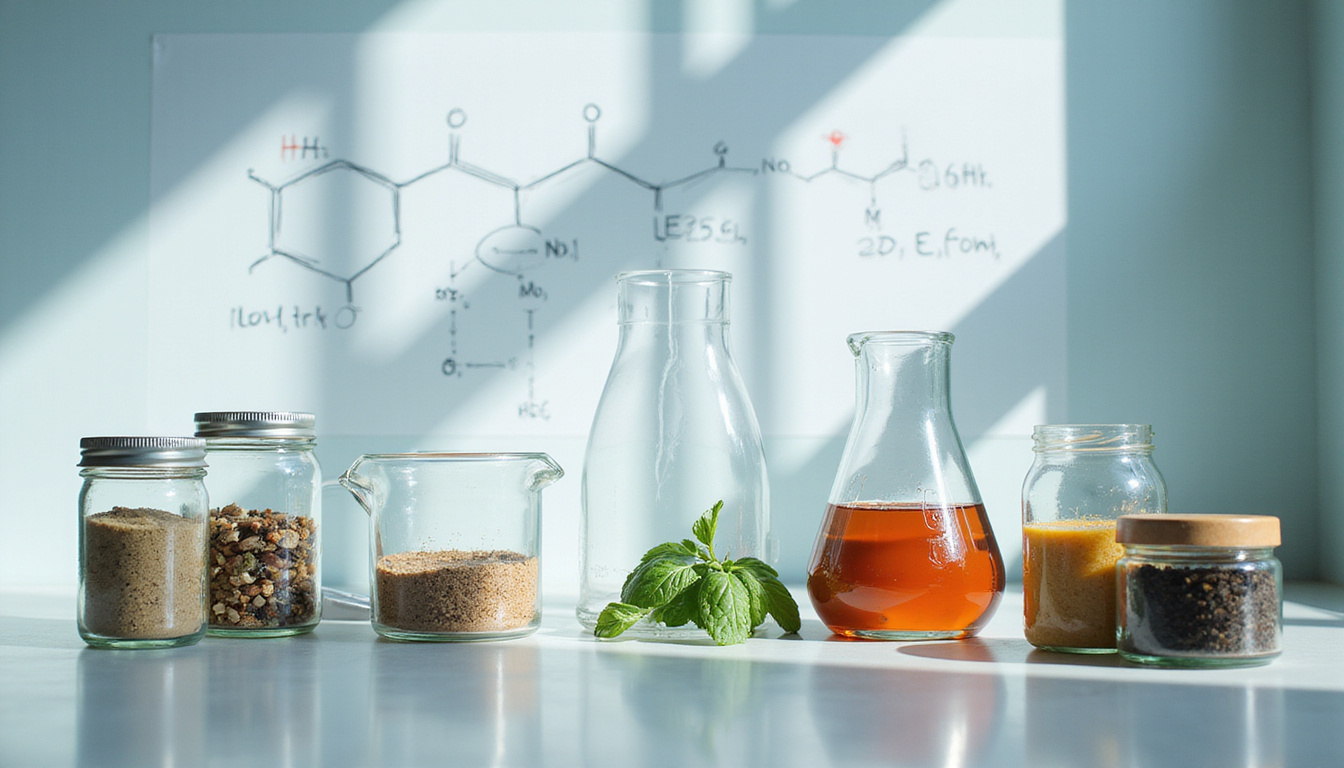
Key aspects of transparency that are beginning to distinguish brands within the category include:
- Comprehensive ingredient disclosure: Full INCI lists, sometimes accompanied by plain-language explanations of function.
- Sourcing statements: Information about origin, certifications, or farming practices for key botanicals or biotech materials.
- Environmental reporting: Discussions of packaging recyclability, carbon reduction initiatives, or water stewardship.
- Testing methodology: General descriptions of how products are evaluated for safety, stability, and efficacy, without overstating outcomes.
For many consumers, especially those drawn to luxury sustainable skincare, this type of openness can be as compelling as ornate packaging once was. It allows more informed comparisons across brands and reduces reliance on abstract promises.
Nonetheless, transparency remains uneven. Some high-end labels now publish detailed sustainability reports; others maintain a more traditional distance, emphasizing aspiration over disclosure. The result is a landscape where price and positioning do not reliably predict the depth of information available.
When Luxury and Sustainability Align—and When They Don’t
There are moments when the luxury and sustainability ideals genuinely reinforce one another:
- Durable, refillable packaging that is aesthetically pleasing yet materially conservative.
- High-concentration, multi-functional formulas that minimize the number of separate products someone might feel they need.
- Biotechnological ingredients that replicate or enhance the benefits of rare botanicals without the same harvesting pressure.
- Long-term brand commitments to reduce environmental impact, backed by data and incremental improvements.
Equally, there are areas where the two value sets can pull in opposite directions:
- Heavy jars and elaborate components that signal opulence but increase material use and shipping weight.
- Overly complex routines that encourage multiple overlapping products, each with its own footprint.
- Emphasis on novelty and constant launches rather than product longevity and reformulation updates.
Consumers interested in this category often navigate by prioritizing what matters most to them: texture, environmental considerations, ingredient minimalism, or sensorial depth. It is rarely possible to optimize every dimension simultaneously; instead, thoughtful compromise becomes the guiding principle.
Practical Ways to Evaluate Luxury Skincare Claims
To move beyond aesthetics and narratives, it can help to adopt a simple framework when considering high-end options. For any given formula, you might ask:
Formulation:
- Does the texture and finish match what your skin typically responds well to?
- Are there multiple potent actives that might require slower introduction?
Ingredients and sustainability:
- Are key ingredients placed prominently on the INCI list?
- Does the brand explain sourcing or environmental considerations in specific terms rather than general language?
Packaging:
- Is it refillable, recyclable, or designed to reduce unnecessary components?
- Does the design balance durability with material efficiency?
Communication:
- Are usage instructions clear and realistic?
- Is the language measured, avoiding overpromising or dramatic claims?
This type of assessment does not require technical expertise, but it shifts focus from pure branding to observable details.
FAQ: Navigating the Luxury Sustainability Landscape
Q1: Is luxury skincare more sustainable than mass-market products by default?
Not necessarily. Some luxury lines invest heavily in responsible sourcing, packaging innovation, and emissions reduction; others prioritize traditional symbols of opulence that increase material use. Mass-market brands, conversely, sometimes achieve efficiency benefits through scale. Sustainability performance depends on each brand’s specific choices, not its position in the market.
Q2: How can I tell if a high-end skincare line is genuinely focused on environmental impact?
Look for specifics rather than broad language. Useful indicators may include: clear information on packaging recyclability, refill systems that materially reduce resource use, statements about ingredient sourcing or certifications, and any form of measurable target-setting or progress reporting. Vague references to “green,” “eco,” or “clean” without detail are less informative.
Q3: Do sustainable luxury formulas compromise on texture or sensorial experience?
They can, but do not always. Some brands reformulate textures using alternative emollients and thickeners that align better with their environmental criteria, which may feel slightly different from more conventional formulas. Others successfully maintain a very refined sensorial profile despite ingredient constraints. In practice, texture is highly brand- and formula-dependent, and remains one of the key areas where formulation expertise is most visible.
A More Informed Perspective on Luxury Skincare
Luxury skincare, particularly in its sustainability-aware iterations, is evolving from a purely aspirational category into a more interrogated one. The focus is increasingly on how formulas are built, how ingredients are sourced, and how honestly brands communicate their environmental and performance intentions.
For consumers, this shift creates both complexity and opportunity. Evaluating high-end products now involves more than admiring packaging or recognizing a logo; it invites a closer look at formulation logic, skin compatibility, brand transparency, and the environmental implications of design decisions.
Luxury, in this context, is no longer just about surface-level indulgence. It is about the considered alignment—imperfect but ongoing—between sensory pleasure, ingredient integrity, and a measured approach to sustainability. The more closely those elements converge, the more meaningful the category becomes beyond its aesthetics.