Cosmeceuticals in Luxury Skincare: Where Science Meets Sensory Design
In contemporary luxury skincare, few terms are as influential—and as loosely defined—as cosmeceuticals. Positioned between cosmetics and pharmaceuticals, these formulas are marketed as science-forward, results-oriented, and technologically advanced. Within the luxury segment, they often carry an aura of clinical sophistication wrapped in elevated textures, packaging, and storytelling. Understanding what this actually means in terms of formulation, standards, and potential efficacy can help consumers navigate the category with more clarity and less confusion.
What “Cosmeceutical” Really Means in Luxury Skincare
The word “cosmeceuticals” has no formal legal definition in major regulatory regions. It is a marketing and industry term used to describe cosmetic products that:
- Contain biologically active ingredients
- Aim to visibly improve the appearance or condition of the skin
- Are presented as being backed by science or research
From a regulatory perspective, most products labeled this way still fall squarely under cosmetic regulations, not drug regulations. That distinction matters:
- Cosmetics are designed to cleanse, perfume, correct body odours, protect, or maintain skin in good condition.
- Drugs (or medicinal products) are intended to treat or modify a physiological function or disease and must meet stricter standards of evidence, testing, and oversight.
Luxury “cosmeceutical” skincare typically operates on the cosmetic side of this line, even when it borrows language, aesthetics, and concepts from pharmaceutical science.
Formulation Philosophy in Luxury Cosmeceutical Skincare
Luxury brands in this space often present their formulas as the result of advanced research, proprietary complexes, or cutting-edge technologies. While the extent of this research varies widely, several formulation themes tend to appear:
Concentrated active complexes
Brands may combine multiple actives—such as peptides, antioxidants, or exfoliating acids—into layered systems. The focus is often on synergistic effects, where one ingredient supports or stabilizes another.Vehicle design and delivery systems
Considerable emphasis is placed on how ingredients are delivered into or onto the skin:- Encapsulation (e.g., liposomes, polymeric shells) to help protect sensitive actives from degradation
- Emulsion systems that influence how fast ingredients release and how they feel during application
- pH adjustment and stabilizing agents to keep actives functional over time
Texture as part of performance
Luxury formulating is not only about what is in the formula, but how it behaves on the skin—spreadability, absorption profile, and finish (dewy, satin, matte) are treated as performance parameters, not just aesthetic choices.Long-term use in mind
Higher-end cosmeceutical-style formulas often attempt to balance noticeable short-term improvement (e.g., optical blurring, surface smoothing) with gradual, cumulative benefits attributed to ongoing use of active ingredients.
This philosophy can, at its best, result in formulas that are both technically sophisticated and pleasurable to use. However, the degree of scientific rigor varies, and not all “advanced complexes” are well-documented in the public domain.
Ingredient Quality vs. Ingredient Storytelling
One of the most important distinctions for consumers is the difference between ingredient quality and ingredient narrative.
Ingredient quality may involve:
- Appropriate purity and grade of raw materials
- Stability of actives over the product’s shelf life
- Thoughtful choice of supporting ingredients (e.g., antioxidants, chelators, film-formers) that protect the formula
Ingredient storytelling, on the other hand, highlights aspects that are engaging, but not necessarily central to measurable outcomes, such as:
- Exotic sourcing or rare botanical origins
- Proprietary names for common ingredient types
- Emphasis on heritage or artisanal extraction methods
Luxury cosmeceutical products frequently combine both: a technically respectable base formula paired with a compelling origin story. The challenge for the consumer is to avoid equating narrative complexity with functional superiority.
When assessing ingredient lists and claims, it can be helpful to ask:
- Are the core active ingredients identifiable and used in forms supported by independent literature?
- Is any supporting research referenced in a general way (e.g., “in-vitro tests” or “in-house data”) without being overstated as universal proof?
- Does the formula appear balanced, or does it lean heavily on one “hero ingredient” with limited contextual information?
Publicly available scientific sources, like peer-reviewed dermatology and cosmetic science journals, can provide broader context on ingredient categories, even when brand-specific research remains proprietary (source: Journal of the American Academy of Dermatology).
Sensory Experience and Formulation Elegance
A defining feature of luxury cosmeceutical skincare is the emphasis on “formulation elegance.” While this term is subjective, it generally refers to how seamlessly efficacy and sensorial qualities are integrated:
- Texture: Silky gels, cushiony creams, and featherlight fluids are engineered so they feel indulgent but not heavy.
- Application behavior: Some formulas break into water on contact, others transform from balm to oil; these transitions can be linked to how actives are delivered or how occlusive a product is.
- Finish: A refined finish—non-greasy, non-sticky, visually smoothing—is often treated as non-negotiable in luxury.
In a cosmeceutical context, sensorial design is not merely decorative. A product that feels greasy, pills under other products, or is irritant-prone is unlikely to be used consistently, which may undermine any long-term benefit.
However, heightened sensorial focus introduces its own considerations:
- Fragrances, certain botanical extracts, and texturizing agents can increase user enjoyment but may not be ideal for every skin type.
- Ultra-refined textures may rely on complex silicone systems or polymer networks that feel elegant but do not inherently make a formula more effective; they simply make it more pleasant to use.
Luxury cosmeceutical products often excel at this balance of sensory pleasure and perceived performance, but the sensorial component itself should be understood as part of the emotional value, not as a direct proxy for efficacy.
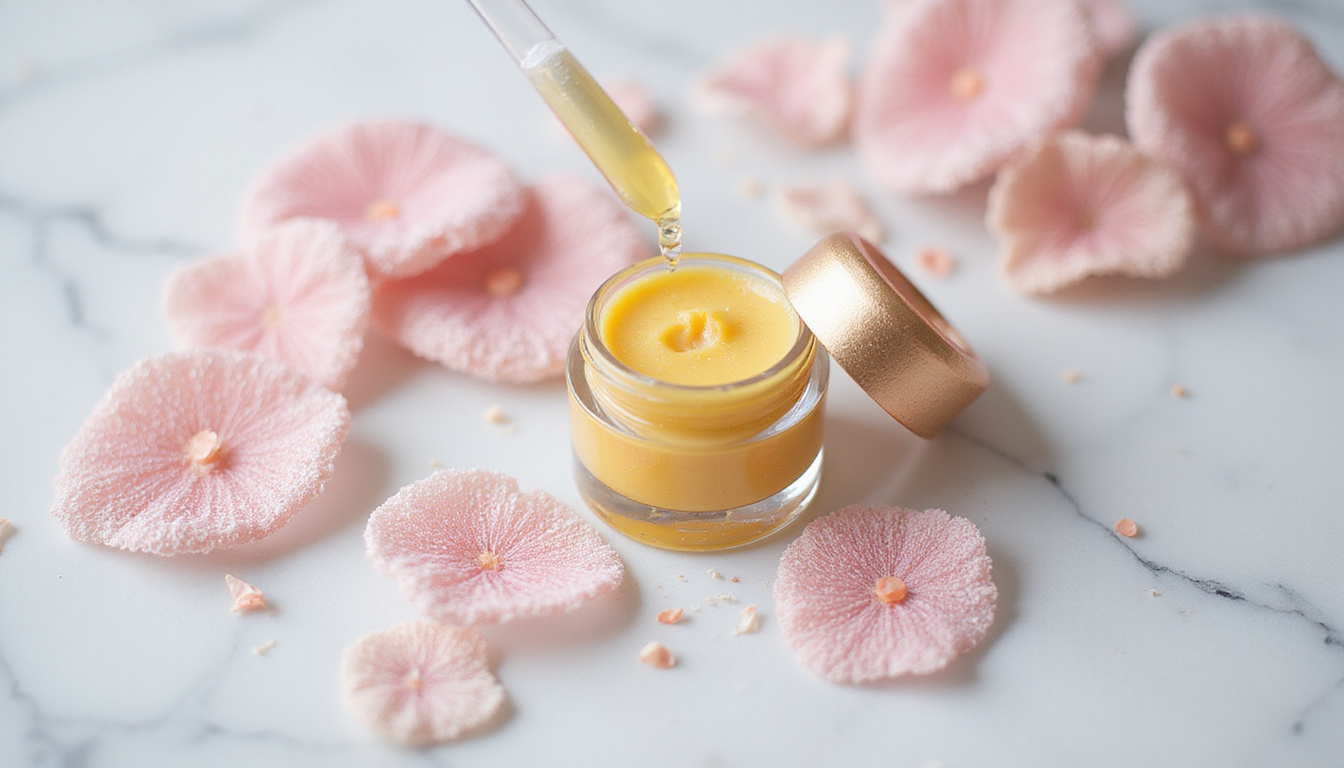
Skin Compatibility and Sensitivity Considerations
Because cosmeceutical-style skincare frequently contains higher levels or multiple types of actives, compatibility and tolerability become central issues, even in a luxury context.
Key considerations include:
Concentration and combination of actives
Multiple exfoliating acids, retinoid-like ingredients, or strong antioxidants can collectively increase the potential for redness, dryness, or discomfort, particularly in more reactive skin types.Formulation pH
Products designed around acids or vitamin C derivatives often function best within specific pH ranges. This can enhance performance but may also influence skin tolerance, especially when layered with other active products.Supporting ingredients and buffers
Soothing agents, humectants, emollients, and barrier-supportive lipids may help balance more assertive actives. In many luxury formulas, these are carefully chosen to maintain both comfort and a pleasing aesthetic.Fragrance and potentially sensitizing components
Fragrance—synthetic or natural—is common in luxury skincare for sensorial appeal. For some individuals, this may be a non-issue; for others, particularly those with easily irritated or reactive skin, fragrance-heavy formulas may be less suitable.
Luxury cosmeceuticals often attempt to engineer a “high-performance yet gentle” profile, but individual variability in skin response remains significant. Perceived gentleness or comfort on the skin does not automatically mean universal compatibility.
Brand Transparency and Consumer Trust
Cosmeceutical claims in the luxury sector often rely on a sense of scientific authority. The degree of transparency behind those claims, however, varies.
Indicators that may support consumer trust include:
- Clear communication around the types of ingredients used and their general functions
- Reasonable, measured language when describing what a product may achieve
- Distinction between in-vitro, ex-vivo, and human-use testing, where disclosed
- Acknowledgment of limitations—for example, that results can differ based on skin type, age, and routine
Less transparent practices may involve:
- Heavy reliance on proprietary names without explanation of what they represent chemically or functionally
- Implying medical or drug-like outcomes while remaining in the cosmetic category
- Overstating laboratory data that may not translate directly to real-world use
Luxury brands sometimes invest substantially in internal research and development, but those studies are not always available for independent scrutiny. For consumers, scrutinizing the style of communication—not just the scientific visuals and terminology—can offer cues about how evidence-based a cosmeceutical positioning may be.
When Luxury Cosmeceuticals Align with Consumer Expectations—and When They Don’t
Expectations around luxury cosmeceutical skincare can be particularly high. Many consumers anticipate visible improvement, a refined sensory experience, and an elevated ritual—all in one.
Areas where this category often aligns with expectations:
- Formulation sophistication: Carefully constructed textures, layered actives, and well-thought-out vehicles are common.
- Usage experience: Packaging, scent profiles, and application rituals are typically designed to feel considered and pleasurable.
- Perceived attention to detail: From ingredient sourcing stories to manufacturing processes, there is often a focus on the narrative of care and craft.
Areas where expectations may exceed reality:
- Magnitude of visible change: While some users may experience noticeable benefits, the degree of transformation varies, and products remain within the cosmetic realm.
- Universality of results: Formulas optimized for one skin profile may not suit another; luxury positioning does not guarantee universal compatibility or satisfaction.
- Science vs. story: Extensive storytelling can sometimes overshadow the relatively modest but real, incremental improvements that well-formulated skincare can provide.
Ultimately, luxury cosmeceutical skincare may be most aligned with those who value both performance-oriented formulations and an elevated sensory, aesthetic, and emotional experience—and who understand that even highly sophisticated cosmetics operate within realistic boundaries.
How to Evaluate Luxury Cosmeceutical Skincare
When assessing products in this category, it can be helpful to focus on a few practical criteria rather than brand narratives alone:
- Identify the main active ingredient categories and whether they are appropriate for your skin’s general needs.
- Consider the formula context: textures, support ingredients, and fragrance.
- Examine how claims are framed—are they conditional and measured, or absolute and sweeping?
- Reflect on your own tolerance and past experiences with active ingredients, especially if you have sensitive or reactive skin.
These questions do not require specialized technical knowledge; they simply encourage a more structured way of looking at a product that combines scientific language with luxury cues.
FAQ: Luxury Cosmeceutical Skincare
1. Are luxury cosmeceuticals more effective than standard skincare?
They may or may not be. Some luxury formulas are thoughtfully designed, with sophisticated vehicles and well-supported ingredient choices. Others rely more heavily on branding and sensorial elements. Effectiveness depends on the specific formulation, the alignment with your skin’s needs, and consistent use, rather than on the label or category alone.
2. Do science-based luxury skincare lines work faster than regular products?
Some cosmeceutical-style products are positioned around faster or more noticeable changes, often because they contain higher levels of active ingredients or more intensive combinations. However, response time is influenced by the skin’s own characteristics, the type of actives used, and how the product is incorporated into a broader routine. Results, where they occur, are typically gradual and vary by individual.
3. How can I tell if a high-end active skincare product is worth considering?
Without focusing on specific brands, you can evaluate general attributes: clarity of ingredient information, balanced and realistic claims, evidence of thoughtful formulation (including tolerability), and whether the type of actives used makes sense for your skin’s profile and preferences. A refined texture or luxurious packaging can enhance the experience, but they are best viewed as complementary to, rather than substitutes for, a sound formulation.
Luxury cosmeceutical skincare occupies an intriguing intersection of science and sensorial pleasure. Its greatest strength lies in the attempt to marry active-focused formulations with highly considered textures, finishes, and rituals. Its main limitation is that, despite advanced positioning, it remains governed by cosmetic boundaries and subject to variability in both formulation quality and transparency.
Approached with informed curiosity—attentive to ingredients, claims, and personal skin response—this category can be appreciated not as a promise of transformation, but as one of many nuanced options within the broader landscape of skincare.