Luxury Anti-Aging: Beyond the Jar
Within the crowded world of prestige beauty, luxury anti aging skincare occupies a particularly charged space: it promises visible improvement, aesthetic pleasure, and a certain cultural status, all in one bottle. Yet behind the heavy glass, embossed caps, and layered narratives, the category is far from uniform. Some formulas reflect thoughtful science and meticulous formulation; others lean more heavily on storytelling than substance.
Understanding how these products are conceived, built, and meant to fit into a routine can help you evaluate them on their own terms—beyond logos and lacquered packaging.
What Actually Defines “Luxury” in Anti-Aging Skincare?
Luxury in this category is less about a single factor and more about a cluster of expectations:
- Sophisticated textures and sensorial details
- A curated set of actives associated with anti-aging benefits
- Distinctive brand narratives and visual identity
- Emphasis on perceived exclusivity and craftsmanship
Compared with mass or “masstige” skincare, luxury anti-aging products tend to prioritize:
- Formulation elegance: A focus on how a product feels, layers, and integrates into a routine, sometimes even at the expense of maximal active concentrations.
- Aesthetic and ritual: Weighty packaging, subtle fragrance, and elaborate application instructions that frame skincare as a personal ceremony.
- Narrative-driven ingredients: Rare botanicals, proprietary complexes, or fermentation stories that differentiate the brand’s approach.
None of these automatically guarantee superior results. They do, however, shape what many consumers expect from the category: visible improvement, yes, but also pleasure and a sense of refinement in daily use.
Formulation Philosophy: Potent, Gentle, or Something in Between?
Many luxury houses articulate a specific “philosophy” for anti-aging skincare. While the language varies, most fall somewhere along a spectrum between maximalism and restraint.
Performance-leaning philosophies
These prioritize established anti-aging actives: retinoids, peptides, certain antioxidants, exfoliating acids, and barrier-supportive lipids. The emphasis is on balancing efficacy with comfort so that products feel refined, not medicinal. Formulas may use encapsulation, slow-release systems, or supportive humectants and emollients to temper potential irritation.Comfort-leaning philosophies
Other brands minimize the risk of discomfort by favoring gentler derivatives, botanical extracts, and supportive ingredients. The anti-aging story may centre on cumulative, subtle improvement rather than dramatic change. Texture refinement, increased suppleness, and radiance are highlighted outcomes.Holistic or environmental philosophies
Some luxury lines tie their anti-aging positioning to environmental stressors, circadian rhythm, or “skin ecosystem” narratives. Antioxidants, barrier-reinforcing lipids, and hydrating complexes are framed as a way of helping skin adapt to modern lifestyle pressures.
In practice, a “refined” formulation philosophy often means measured, layered approaches to actives rather than single-ingredient intensity. The key is coherence: how well the ingredient choices, base textures, and usage recommendations align.
Ingredient Quality vs. Ingredient Storytelling
Luxury anti-aging formulas frequently spotlight rare flowers, marine extracts, fermentation broths, or proprietary complexes. The underlying questions for consumers:
- What is the function of these ingredients?
- How are they supported by the rest of the formula?
- Are they presented as central to performance or as part of a broader sensory and narrative experience?
Some distinctions to consider:
Proven classes of actives vs. signature complexes
Retinoids, certain peptides, niacinamide, and well-characterized antioxidants like vitamin C and E have been more extensively studied in the context of photoaging and texture (source: American Academy of Dermatology). Luxury products may combine these with branded complexes. Those complexes can be thoughtfully engineered, but their names are often marketing constructs rather than independent scientific categories.Purity and standardization
In higher-end formulations, botanical extracts or biotech-derived actives may be standardized to specific components (for example, defined polyphenol content) to improve consistency. However, the degree of standardization is not always disclosed, and “rare” or “hand-harvested” does not necessarily equate to superior efficacy.Concentration vs. composition
Luxury products may avoid advertising precise percentages, leaning instead on overall composition and experience. This can reflect a legitimate belief in synergistic formulation—or simply a branding choice. Lack of numbers is not automatically negative, but it can make comparison challenging.
A practical lens: look for clarity about what the formula is designed to address (e.g., texture, surface dullness, the feel of dryness, the look of fine lines) and how the brand says it approaches those concerns, rather than focusing solely on ingredient mythology.
Sensory Experience and Formulation Elegance
One of the sharpest points of differentiation in luxury anti-aging skincare is how a product feels and behaves on the skin:
Texture architecture
Luxurious serums often show careful attention to slip, cushion, and dry-down. Emulsions may avoid pilling when layered with other products and may feel weightless despite richer lipid content. This is a non-trivial achievement in formulation chemistry and contributes to routine adherence.Fragrance and identity
Many luxury brands use signature scents to create an instantly recognizable experience—sometimes subtle, sometimes more pronounced. While this can elevate the ritual, it can also introduce sensitizing potential for some individuals, particularly in long, multi-step routines.Finish and optical effects
Blurring powders, light-diffusing pigments, and soft-focus emollients may be included to create an immediately smoother look on the surface, distinct from longer-term changes. These cosmetic effects can be part of the appeal but are worth distinguishing from structural improvements over time.
Elegant formulation is not merely indulgent; a product that layers without stickiness or irritation can make consistent use more realistic. At the same time, sensory satisfaction alone is not evidence of deeper anti-aging impact.
Skin Compatibility and Sensitivity Considerations
In luxury anti-aging, the tension between potency and comfort is central. Higher concentrations of actives may not align with the category’s emphasis on pleasant use; conversely, overly gentle blends may underwhelm consumers seeking noticeable change.
Compatibility considerations include:
Complex fragrances and essential oils
These can make a product feel luxurious but may increase the chance of irritation, especially in leave-on treatments used daily or twice daily. Fragrance-free or low-fragrance options are still less prevalent in the luxury segment than in more clinical-leaning ranges.Layering complexity
Multi-step luxury routines—essence, multiple serums, emulsion, cream, dedicated eye and neck products—can amplify exposure to sensitizing components and overlapping actives. The combined load, not just a single product, matters for reactive skin.Texture vs. occlusivity
Highly occlusive formulas can impart a plush, protective feel, which some associate with anti-aging care. For certain skin types, however, heavy occlusion can be uncomfortable or contribute to congestion. Modern luxury creams often aim for an “enveloped but breathable” sensation, achieved through carefully chosen oil blends and film-formers.
Since luxury anti-aging products are designed to be pleasurable, discomfort is rarely framed as a trade-off. This makes it especially important for consumers to interpret sensations—tightness, stinging, persistent redness—critically, rather than as a sign that a product is working.
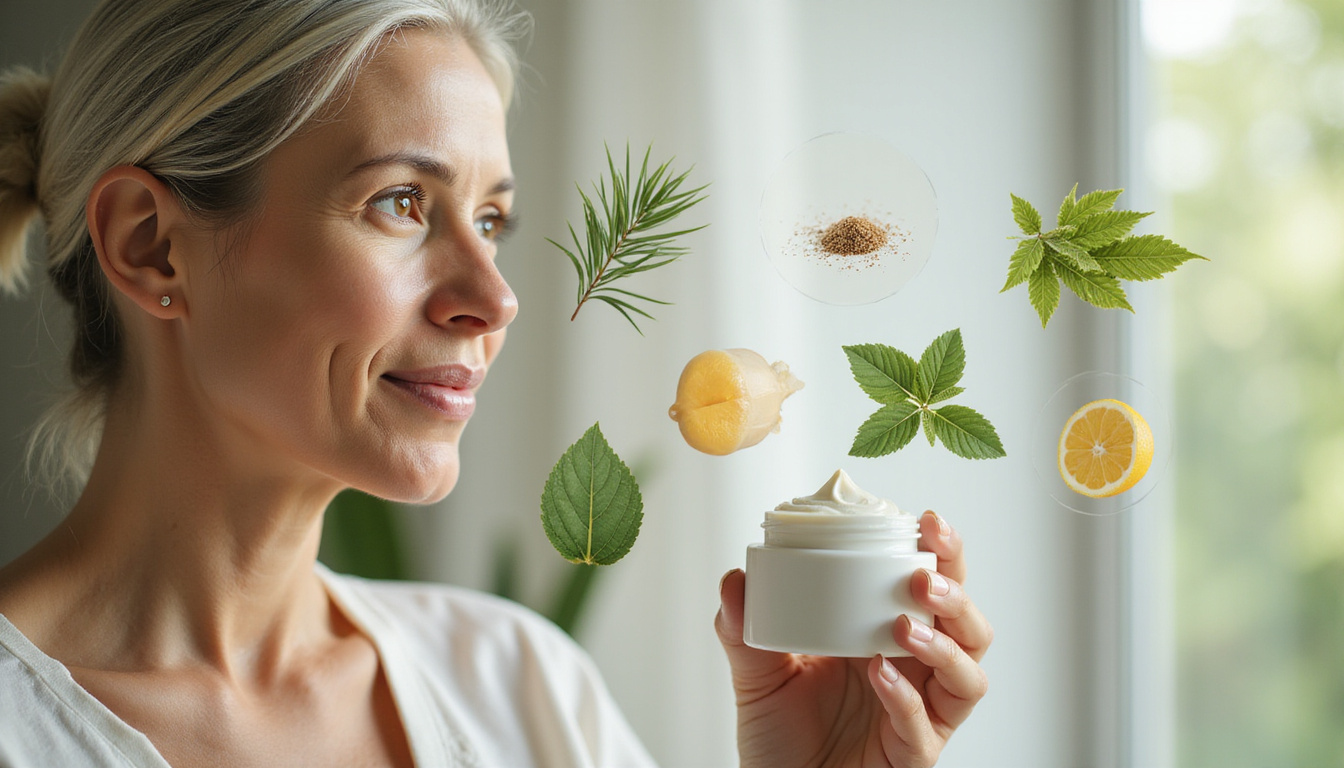
Brand Transparency and Consumer Trust
In an environment where imagery and narrative are highly polished, transparency becomes a subtle marker of quality. Key aspects include:
Ingredient disclosure
Full INCI lists are now standard in most markets, but presentation varies. Some brands highlight only select “hero” ingredients, while others provide richer context on supporting components like solvents, texture agents, and stabilizers.Language around results
More measured brands typically avoid absolute promises, instead describing targeted concerns, user-perceived improvements, or outcomes “with continued use.” Vague timelines and sweeping claims can be a signal to scrutinize the messaging more closely.Science communication
References to in-house labs, collaborations, or “cellular” and “genetic” language are common in the luxury anti-aging space. The presence of white coats in campaigns does not necessarily reflect independent research. When clinical studies are mentioned, clarity about methodology, sample size, and endpoints is rarely provided to the public.
Trust, in this context, is not about believing in transformation but about confidence that the brand’s stated philosophy is reflected consistently in its formulations and communication.
Routine Efficacy: How Much Is the Product, and How Much Is the Pattern?
Evaluating the effectiveness of a luxury anti-aging routine involves more than inspecting any single jar. Consider:
Consistency over intensity
A moderate formula used faithfully often outperforms a potent one applied sporadically. Luxury textures that make you want to use them daily can indirectly support better outcomes over time.Cumulative layering
Routines built around multiple steps may offer a combination of hydrating, emollient, and antioxidant effects that together improve how skin looks and feels. However, redundancy can creep in—several products providing nearly identical benefits, differing mainly in texture or storytelling.Lifestyle and environment
Sun exposure patterns, stress, sleep, and general skin maintenance practices often influence visible aging more than incremental differences between high-quality products. A well-constructed luxury regimen can support skin within that broader context, but it cannot override it.
When assessing routine efficacy, it may be helpful to ask: which steps introduce genuinely distinct functions (surface smoothing, hydration, barrier comfort, appearance of firmness) and which primarily extend the ritual?
When Luxury Anti-Aging Skincare Aligns with Consumer Needs—and When It Doesn’t
The category tends to align well with consumers who:
- Value texture, scent, and aesthetics as much as visible change
- Prefer streamlined access to curated formulas rather than assembling a regimen from multiple sources
- Appreciate nuanced improvement—softer-feeling skin, refined texture, more even-looking tone—over abrupt transformations
It may align less well when:
- Fragrance or certain botanical components regularly trigger sensitivity
- The main priority is maximal concentrations of specific actives with clearly communicated percentages
- Expectations involve rapid, dramatic visible shifts that skincare alone is unlikely to deliver
A measured view is helpful: luxury anti-aging products can absolutely be high-performing skincare. They can also, at times, be beautifully presented moisturizers with modest incremental advantages over simpler formulations.
FAQ: Navigating the Luxury Anti-Aging Category
Q1: Is luxury anti aging skincare always more effective than simpler options?
Not necessarily. Some luxury formulas are carefully designed, combining multiple supportive ingredients and advanced textures that promote consistent use. Others focus more on narrative and sensory appeal than on distinctive actives. Effectiveness depends on formulation choices, how well they match your skin’s needs, and how consistently you use them, rather than on the category label alone.
Q2: How should I evaluate a luxury anti-aging product’s claims?
Look beyond taglines. Review the full ingredient list, note which classes of ingredients are emphasized (for example, antioxidants, peptides, hydrating agents), and pay attention to how the brand describes expected changes: are they specific and time-bound, or broad and open-ended? Be cautious with language that implies dramatic or universal outcomes without explaining the mechanism.
Q3: Can a multi-step luxury routine be too much for my skin?
It can be, especially if several fragranced or highly active products are layered daily. Pay attention to how your skin responds over weeks, not just days. Persistent redness, dryness, or discomfort may indicate that the routine is more intensive than your skin comfortably tolerates, regardless of how gentle or refined each individual product appears.
A More Informed Lens on Luxury Anti-Aging
Luxury anti-aging skincare is, at its best, a thoughtful fusion of formulation science and sensorial design. It offers a way to turn daily maintenance into a tactile, aesthetically satisfying practice—sometimes with meaningful improvements in how skin looks and feels. At its weakest, it risks prioritizing symbolism and story over substantive differentiation.
Evaluating this category means asking more layered questions: not only “What does this promise?” but “How is it built, how does it fit with my skin’s tendencies, and does the philosophy behind it align with the kind of change I realistically expect?”
Seen through that lens, luxury becomes less about status and more about selective discernment—choosing formulas and routines that respect both the skin’s complexities and the consumer’s intelligence.