Luxury Beauty Devices: Beyond the Gloss of Technology and Design
The category of luxury beauty devices has expanded rapidly, merging skincare with engineering, industrial design, and wellness culture. From LED masks to at‑home microcurrent tools, this segment promises a spa-adjacent experience in a domestic setting, often wrapped in high-end aesthetics and advanced-sounding technology. Yet the label “luxury” in beauty tech is not a regulated term; it is a positioning. Understanding what actually defines luxury beauty devices—and how they differ from mass or mid-tier tools—requires looking past the surface of sleek materials and ambitious claims.
This article explores how design, efficacy, and industry standards converge in the luxury device space, and how consumers can evaluate quality beyond branding and presentation.
What Defines a Luxury Beauty Device?
While there is no formal legal definition, luxury beauty devices typically share several distinguishing characteristics that go beyond basic functionality:
- Design language and materials: Devices are often architected as objects of desire—streamlined silhouettes, weighty hand-feel, refined finishes, and sometimes custom chargers or cases. Tactility and visual impact become part of the perceived value.
- Complex feature layering: Multi-mode LEDs, varied intensity settings, app connectivity, and pairing with complementary formulations are common. Luxury positioning often emphasizes systems rather than single-function gadgets.
- Narrative-driven technology: The device’s story—origin, inspiration, and “technology heritage” (such as inspiration from professional equipment)—is foregrounded as much as the technical details.
- Ritual and experience: The use of the device is positioned as a self-care ritual, with attention to ergonomics, sound, lighting, and even the pace of guidance during treatments.
By contrast, mass-market devices tend to prioritize accessibility and straightforward functionality, often with simpler construction, fewer modes, and less emphasis on industrial design or storytelling. Premium (but not strictly luxury) devices may sit between these poles, offering good build quality and credible engineering without a pronounced emphasis on opulence or aesthetic theatrics.
Luxury in this category is thus not purely about performance; it is a combination of design sophistication, sensory experience, and brand narrative layered onto a technological base.
Design and Engineering: When Aesthetics Meet Function
A hallmark of luxury beauty devices is meticulous industrial design. Yet design can either enhance function—or obscure its absence.
Ergonomics and usability
Well-conceived devices take into account:
- How the tool fits different hand sizes
- The contours of the face and body it is intended to treat
- Intuitive button placement and feedback (haptics, lights, or subtle sounds)
- Session duration that aligns with real-world routines
If a device is visually striking but awkward to hold, heavy to maneuver, or difficult to use consistently, its luxury status becomes more symbolic than practical.
Material choices
Luxury devices commonly highlight:
- Metal alloys, brushed or polished finishes
- Smooth, non-porous surfaces that feel pleasant on skin
- Thoughtful docking or storage solutions
These choices can improve longevity and hygiene when executed well, but they may also simply elevate the look and feel without substantially altering efficacy. For example, a well-placed, durable coating that resists wear is functionally beneficial; a purely decorative finish that chips easily is not, regardless of how sophisticated it appears at first glance.
App integration and smart features
Companion apps are increasingly common among high-end tools, providing treatment timers, usage reminders, and sometimes “personalized” protocols. Their practical value varies:
- At best, they help standardize routines and encourage consistency.
- At worst, they add friction—passwords, updates, connectivity issues—without meaningfully improving outcomes.
In evaluating design, the key question is whether each design decision, physical or digital, supports more consistent, precise, or comfortable use—or simply elevates perceived luxury.
Efficacy: Evidence, Parameters, and Realistic Expectations
Device efficacy is often the most opaque aspect of luxury beauty technology. Many tools reference categories of technology used in professional settings—LED light, microcurrent, thermal energy, vibration, or sonic cleansing—but the consumer versions differ substantially in terms of energy levels and protocols.
Evidence for underlying technologies
Some modalities have been studied in aesthetic contexts—with varying levels of rigor—particularly certain wavelengths of light and gentle electrical stimulation (source: American Academy of Dermatology). However:
- Consumer devices typically operate at lower intensities than in-clinic tools.
- Treatment parameters (time, frequency, placement) differ widely by brand.
- Evidence may apply to a narrow set of conditions or usage patterns, not all users or objectives.
As a result, efficacy claims for luxury devices are often extrapolated from broader research on the underlying technology, rather than data specific to each device.
Marketing language vs measurable outcomes
Narratives around tightened, lifted, or “refined” skin texture can be intrinsically ambiguous and highly subjective. Luxury positioning sometimes leans heavily on:
- Vague terminology (“energized,” “revitalized,” “recharged appearance”)
- Before-and-after imagery that depends on lighting, expression, or camera settings
- User perception surveys with small sample sizes and short follow-ups
Such approaches are not unique to the luxury segment, but high-end tools may wrap them in particularly persuasive language and visuals. A more critical reading looks for:
- Clear description of the modality (e.g., wavelengths used, type of current, or temperature range)
- Context for usage (frequency, duration, recommended routine)
- Distinctions between temporary effects (e.g., hydration, microcirculation) and changes that may require ongoing use
Luxury does not inherently guarantee superior results; it may simply provide a more refined delivery system for an already familiar technology.
Industry Standards and Safety Considerations
Beauty devices, even luxury versions, occupy a complex regulatory space that sits between cosmetics and medical technology. This landscape differs by region and device type, and consumers rarely see the full picture.
Regulatory classifications
Depending on functionality and claims, some devices may fall under medical device regulations, while others remain in a less strictly controlled beauty category. In many jurisdictions:
- A device that claims to treat or diagnose a medical condition faces more stringent requirements.
- Tools positioned for cosmetic enhancement alone may encounter lighter oversight.
Luxury branding may emphasize heritage, design, or celebrity association more than regulatory context, making it difficult for consumers to gauge what standards the device has actually met.
Safety messaging and usage guidance
Well-developed device programs usually offer:
- Clear, accessible instructions, including diagrams or guided routines
- Information on who should avoid use (for example, users with specific implants, conditions, or sensitivities)
- Guidance on interaction with other skincare practices (for instance, use alongside retinoids or exfoliants)
Transparent safety information tends to be a more meaningful marker of quality than any purely aesthetic flourish.
Ingredient Pairing vs. Ingredient Storytelling
Many luxury beauty devices are sold within systems—paired with gels, serums, or conductive mediums designed to be used exclusively alongside the tool. The narratives around these formulations often blend skincare science with brand-aligned storytelling.
Functional formulations
Some paired products serve clear purposes:
- Conductive gels for microcurrent or radiofrequency
- Serums optimized for light penetration for certain LED devices
- Lubricating mediums that reduce friction and protect the skin barrier
In such cases, the formulation plays a technical role in enabling safe and effective device use.
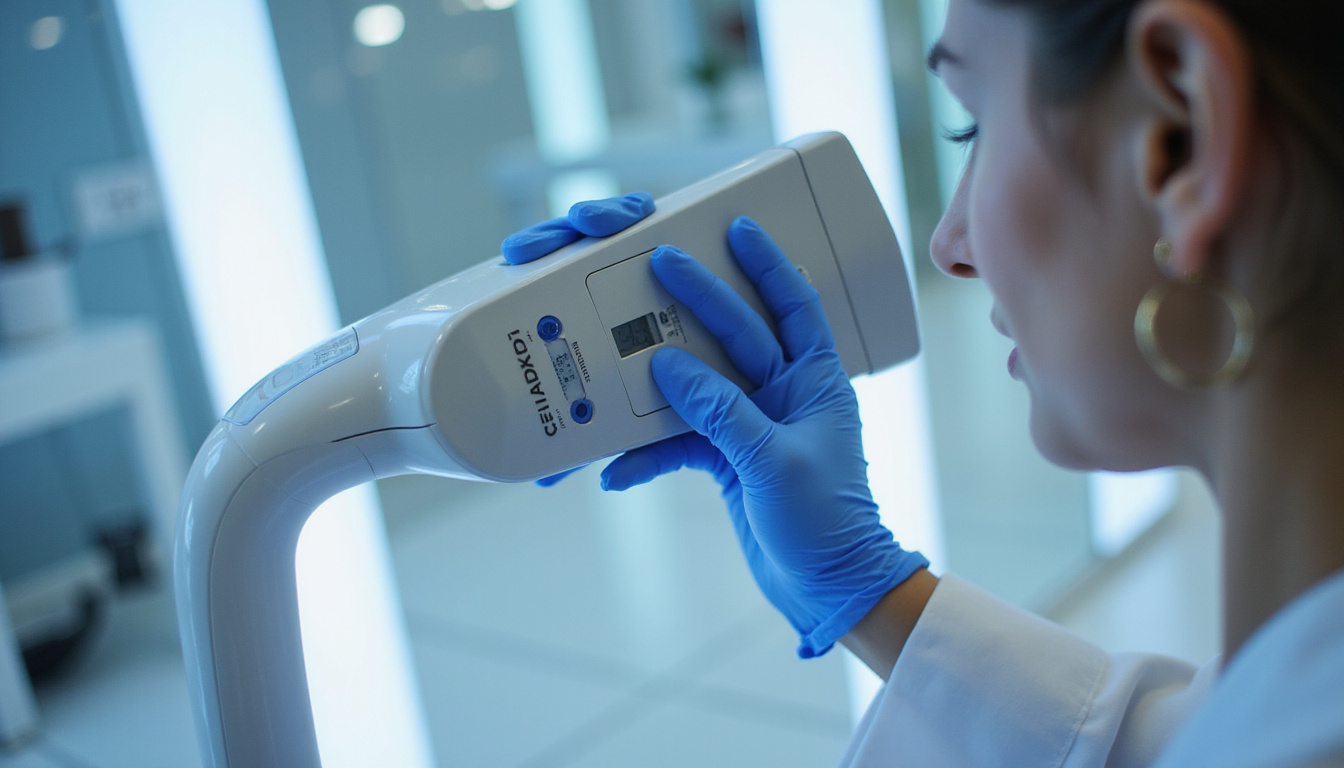
Story-driven layering
Other times, the associated product leans heavily on luxury skincare cues:
- Rare-sounding botanicals
- Elaborate sourcing stories
- Complex fragrance profiles
While these elements can elevate the ritual, they are not automatically necessary for the device’s central function. Consumers may choose to separate the device from its surrounding product ecosystem where possible, particularly if they have established routines, sensitivities, or preferences for fragrance-free or minimal-ingredient skincare.
The key distinction is between ingredients that are operationally needed for the device’s function and those that primarily enhance branding and sensorial appeal.
Sensory Experience and Ritual: A Luxury Signature
Luxury beauty devices are often designed not just to “work,” but to feel gratifying in a multi-sensory way. This can include:
- Temperature modulation for soothing or energizing sensations
- Subtle vibration or massage patterns
- Ambient lighting, tones, or haptic cues signaling mode changes
- Partnered routines that encourage slow, deliberate application
These elements can increase user satisfaction and may indirectly support results by making consistent use more enjoyable. However, a deeply pleasurable routine is not synonymous with superior biological outcomes.
It can be helpful to distinguish:
- Ritual value: The psychological and experiential benefits of a structured, enjoyable routine.
- Functional value: The measurable changes associated with the modality and parameters used.
Luxury devices often excel in ritual value; whether they excel in functional value depends on their underlying engineering and how they are used over time.
Skin Compatibility and Sensitivity Considerations
Even when a device is positioned as gentle or “suitable for all skin types,” individual variation remains significant. Luxury branding does not override basic principles of skin response.
Points to consider include:
- Intensity and duration settings: Devices with adjustable levels may allow more nuanced tailoring for different comfort thresholds.
- Heat exposure: Thermal devices may feel pleasant but can be challenging for very reactive or redness-prone skin, especially with extended use.
- Paired formulations: Fragrance, essential oils, or certain active ingredients in associated gels or serums may pose issues for sensitive skin, regardless of the device’s quality.
A cautious, incremental approach—starting with lower settings or shorter sessions and observing how skin responds over time—remains prudent, even with high-end tools.
Brand Transparency and Consumer Trust
In a crowded marketplace, transparency can be as much a marker of luxury as design and materials. Characteristics that often indicate a more responsible approach include:
- Clear description of technology: Specific wavelengths, energy types, or frequency ranges, rather than vague references to “advanced light” or “pro-level current.”
- Plain-language explanations: Accessible descriptions of how the device is intended to interact with the skin, without exaggeration or medical framing.
- Disclosed testing protocols: While not all testing is equal, sharing study designs, sample sizes, and whether assessments were instrumental or based on self-report helps contextualize claims.
- Consistency across channels: Alignment between packaging text, website information, and training materials suggests stronger internal standards and quality control.
When such details are absent or heavily obscured by lifestyle imagery and aspirational language, it can be harder to assess whether the “luxury” tag reflects substantial investment in development—or simply elevated branding.
When Luxury Beauty Devices Align With Consumer Priorities—and When They Don’t
Luxury beauty devices tend to align well with certain priorities and less so with others. A brief overview:
They may be well-suited to consumers who:
- Value aesthetic design and enjoy curating a visually cohesive skincare environment
- Appreciate guided routines, structure, and ritualized self-care
- Are comfortable investing in objects made to last and potentially be repaired or upgraded
They may be less aligned for those who:
- Prioritize minimalism and dislike multi-step routines
- Prefer to separate sensory pleasure from functional skincare decisions
- Seek strictly evidence-centered tools, independent of design, branding, or narrative
In practice, many users find themselves somewhere in the middle—interested in both experience and outcomes, but not willing to suspend critical thinking in the face of a compelling story.
Practical Questions to Ask Before Choosing a Luxury Device
A simple framework for evaluating luxury beauty devices, beyond their appearance, might include:
- What is the core technology, described in plain terms?
- Is there a logical match between that technology and my specific goals?
- How transparent is the brand about settings, parameters, and usage instructions?
- Can I envision using this consistently, given my schedule and preferences?
- Does the sensory experience feel additive—or merely decorative?
This type of inquiry does not guarantee a perfect match, but it helps shift focus from aspiration to alignment.
FAQ: Luxury Beauty Devices and Consumer Expectations
Q1: Are luxury beauty devices more effective than simpler tools?
Not necessarily. Their advantage often lies in design refinement, comfort, and feature range. Actual outcomes depend more on the underlying technology, treatment parameters, and consistency of use than on whether the device is categorized as luxury. Some mass or mid-tier tools may perform similarly if they share comparable modalities and settings.
Q2: How can I tell if a high-end skincare device is using meaningful technology?
Look for specific information about what it does: identified light wavelengths, type of current, or clear descriptions of motion or heat. Avoid relying solely on dramatic naming or cinematic visuals. Clarity around recommended usage, limitations, and safety considerations is often a stronger sign of thoughtful engineering than elaborate branding.
Q3: Do luxury devices replace professional treatments or in-clinic procedures?
They generally do not substitute for professional interventions, which may use higher energies and are overseen by trained practitioners. At-home tools, including luxury versions, are typically designed for regular, lower-intensity use. They may complement a broader skincare approach but should not be viewed as equivalent to medical or in-office aesthetic procedures.
A Measured Perspective on Luxury Beauty Devices
Luxury beauty devices sit at the intersection of skincare, design, and personal ritual. They can offer a distinct pleasure in use, thoughtful ergonomics, and a sense of ceremony that simpler tools rarely match. At their best, they combine credible engineering with refined sensory design and clear communication.
Yet the label “luxury” does not guarantee superior performance, safety, or suitability for every individual. The real value lies in how well a device’s technology, design, and guidance align with personal expectations, skin tolerance, and lifestyle.
Approaching these tools with both appreciation and discernment—enjoying their artistry while asking precise questions about function and standards—allows consumers to navigate the category with greater confidence, using luxury not as shorthand for efficacy, but as one attribute among many in an increasingly sophisticated beauty landscape.