Rethinking Luxury Body Care
Luxury body care occupies a particular space in the skincare world—adjacent to facial treatments, but with its own standards, expectations, and formulation philosophies. When people talk about luxury body care, they are often describing more than a cleanser or cream. They are referring to a category that blends skin benefits, sensorial pleasure, and brand narrative into a single experience.
Understanding what truly distinguishes this segment from mass and premium body products can help consumers evaluate quality beyond packaging, scent, or reputation—and decide when a luxury option is meaningfully different, and when it is simply more elaborate marketing.
What Defines Luxury in Body Care?
Within the broader skincare market, “luxury” generally signals a combination of factors rather than one defining feature. In body care, this category often reflects:
- Formulation complexity and texture – Products may feature layered emulsions, more sophisticated stabilizing systems, and attention to spreadability, absorption speed, and finish on the skin.
- Raw material selection – There is often a focus on particular oils, butters, or bio‑derived actives, sometimes with an emphasis on provenance or extraction method.
- Sensorial detailing – Fragrance, texture, and packaging are tuned to create a ritualistic, rather than purely functional, experience.
- Brand narrative and heritage – Many luxury body formulas are positioned within a broader storytelling framework about craftsmanship, science, or artistry.
Crucially, none of these elements automatically equate to superior performance for every individual. Luxury in body care tends to be a holistic proposition: function plus feeling plus narrative. Some formulas do distinguish themselves technically; others lean more heavily on image.
Ingredient Quality vs. Ingredient Storytelling
One of the clearest dividing lines between mass, premium, and luxury body products is how ingredients are chosen, used, and communicated.
Quality in body care ingredients may involve:
- Consistency of sourcing and batch control
- Purity specifications, such as limits on certain trace contaminants
- Character of the material (refined vs. unrefined, cold-pressed vs. solvent-extracted, synthetic vs. naturally derived)
- Compatibility with the overall formulation
However, in the luxury body care category, the story of an ingredient can become as important as the material itself. Botanical oils harvested from specific regions, marine extracts, or fermentation-derived complexes are often framed as signature elements. This narrative can be compelling, but it does not always correspond to a measurable advantage for skin comfort, softness, or resilience.
A few recurring dynamics:
High-performance basics vs. exotic additions
Well-established emollients like glycerin, squalane, and certain fatty alcohols can deliver excellent moisturization and skin feel. Luxury formulations may combine these with less common plant extracts or bioactive ingredients. In some cases, the familiar “workhorse” materials are doing much of the functional work, while rarer additions help differentiate the formula conceptually.Concentration and context
The mere presence of a desirable ingredient says little about its functional relevance. Concentration ranges, the supporting system (pH, emulsifiers, stabilizers), and the type of product (wash-off vs. leave-on) all matter. A lavish plant extract in a body wash that is quickly rinsed away will have a different impact than the same extract in a leave-on body serum.Natural vs. synthetic positioning
Luxury body care often leans into naturally derived materials and complex plant blends for their narrative and sensory appeal. Synthetic materials, however, can be highly refined, consistent, and well tolerated. An elevated formula may draw from both worlds, prioritizing performance and feel over ideology.
Evaluating quality means reading beyond the highlight ingredients and considering the overall architecture of the formula: humectants, emollients, occlusives, and supporting agents working in concert.
Sensory Experience and Formulation Elegance
If there is one dimension where luxury body care clearly differentiates itself, it is often in the tactile and sensory aspects of use.
Texture and application
Luxury formulations may be designed to:
- Melt into the skin with minimal effort
- Leave a specific finish (satin, velvety, or barely detectable)
- Avoid pilling or streaking when layered with other products
- Maintain stability and texture over time, even after repeated opening and closing
Achieving this can require specific emulsifier systems, carefully balanced oil phases, and attention to rheology (how a product flows and spreads). These details can make daily use feel more refined and less utilitarian, which is a core part of the category’s appeal.
Fragrance and “mood”
Fragrance is often central to the identity of high-end body products. Some brands develop signature accords that run across their entire body care line, turning showers, baths, and moisturizing into cohesive rituals.
However, the presence and intensity of fragrance bring trade-offs:
- Strong or complex scents can elevate the experience, but may be irritating for some, especially those prone to sensitivity.
- Essential oils, often seen as more “natural,” are not inherently gentler; many are potential sensitizers at certain concentrations (source: IFRA Standards)
Packaging as part of the ritual
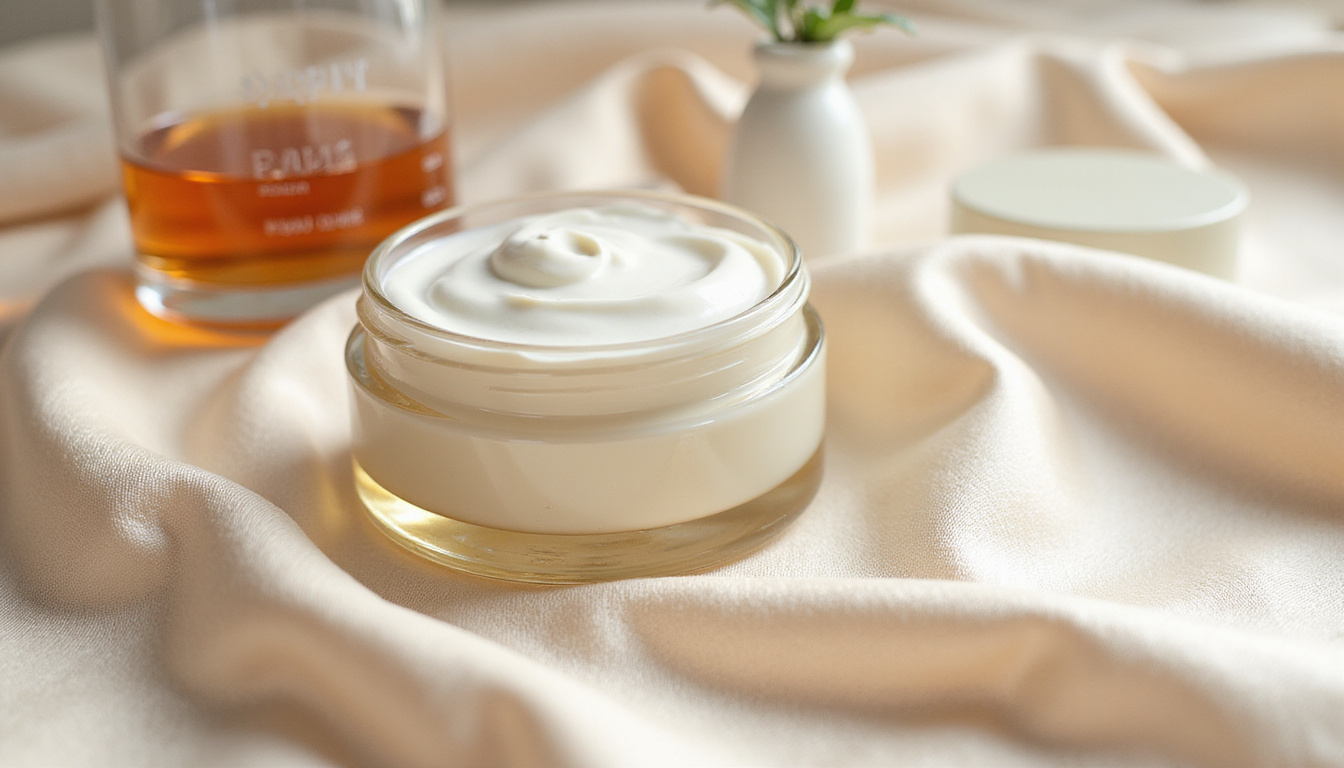
While packaging does not alter performance, it contributes to the perception of luxury—through weight, tactile finishes, dispensing mechanisms, and visual design. Airless pumps, for example, can help maintain formula integrity, while jars may emphasize a more indulgent, hands-on application. Consumers may wish to balance their preference for aesthetics with considerations like practicality, hygiene, and environmental footprint.
Skin Compatibility and Sensitivity Considerations
The skin on the body differs from facial skin in thickness, oil production, and exposure, yet it can still be reactive or prone to dryness, ingrown hairs, or textural irregularities. Luxury body care often targets these concerns with sophisticated textures and layered actives, but compatibility remains individual.
Factors that influence how well a product may suit a particular skin type or preference include:
- Level of occlusiveness – Rich butters and waxes can be comforting for very dry areas but may feel heavy or occlusive on those who prefer a lighter finish, particularly in warm climates.
- Presence of exfoliating acids or enzymes – Some luxury body formulations incorporate gentle resurfacing components. These can refine texture for some users, but may not be suitable for everyone, especially if used in conjunction with other exfoliating steps.
- Fragrance and botanical complexity – Multi-note fragrances and layered botanical blends heighten the sensory experience but also increase the number of potential sensitizers.
Because body skin covers a large surface area, even mild irritation can feel more significant. A cautious, incremental approach—starting with smaller areas and paying attention to subtle changes in comfort—can be useful when exploring richer or more active formulations.
Brand Transparency and Consumer Trust
At the luxury end of body care, the relationship between brand and consumer often extends beyond the product itself. Trust tends to be built—or eroded—through how openly a brand communicates about its choices.
Elements that can signal a thoughtful approach include:
- Clear ingredient lists that comply with international naming standards and avoid selectively translating certain components into more appealing terms.
- Accessible explanations of formulation philosophy, such as why particular textures, preservatives, or fragrance levels were chosen for body use.
- Realistic language about benefits, avoiding absolute claims and acknowledging that experiences vary.
- Discussion of testing methods, such as stability and compatibility testing on body areas, even if not framed as medical or clinical validation.
- Environmental and sourcing information, especially when ingredient provenance is central to the brand story.
Luxury positioning can create a perception that “more expensive equals more thoroughly considered,” but transparency offers a more reliable basis for assessing responsibility and care in product development.
When Luxury Body Care Aligns with Consumer Needs—and When It Doesn’t
Luxury body care is at its most compelling when the formulation philosophy and the user’s priorities overlap. It can be particularly aligned with those who:
- Place high value on texture, scent, and ritual, viewing body care as a daily or nightly practice rather than a basic hygiene step
- Are looking for specific sensorial signatures—fast-absorbing gels, soufflé-like creams, oil-to-milk cleansers—that are less common in mass formulations
- Appreciate nuanced ingredient blends that prioritize comfort, refinement, and skin feel over maximalist claims
However, this category may be less aligned when:
- A person’s primary concern is straightforward moisturization with minimal extras
- Fragrance-free or ultra-minimal ingredient lists are a top priority
- The expectation is that a luxury label automatically yields dramatically different skin outcomes across the entire body
Luxury body care often delivers its greatest value in the intangible layers: enjoyment, consistency of use, and a sense of care. Those elements can influence how diligently someone treats their body skin, which may indirectly shape outcomes. But they do not replace the fundamentals of regular cleansing, protection, and moisturization using formulations compatible with one’s skin.
A Practical Lens for Evaluating Luxury Body Products
A structured way to assess body-focused luxury formulas—beyond aesthetics and narrative—might include questions such as:
Function
- What is the core job of this product—cleanse, hydrate, soften, refine texture, or provide a sensual layer of scent?
- Does the ingredient design support that function (e.g., meaningful levels of humectants and emollients in a moisturizer; gentle surfactants in a cleanser)?
Formulation elegance
- How does the product feel on application and after full absorption or rinsing?
- Is the finish in line with your preference (no residue vs. cocooning layer)?
Compatibility
- How does your skin respond over several days or weeks of use, especially on more reactive areas like the chest, neck, or inner arms?
- Are there potential triggers—strong fragrance, essential oils, or certain actives—that you know you tend to avoid?
Philosophy and transparency
- Does the brand communicate clearly about what it is trying to achieve with the formula?
- Are claims measured, avoiding absolute or universal promises?
By viewing luxury products through this lens, the decision becomes less about whether the category is inherently “worth it” and more about whether a given formula meaningfully supports your own priorities for body care.
FAQ: Understanding Luxury Body Care as a Category
Q1: How is high-end body care different from standard body lotions or washes?
Many higher-end body formulations emphasize texture, fragrance complexity, and ingredient storytelling, pairing familiar moisturizers with more specialized oils, extracts, or actives. The difference is often felt in application and after-feel rather than in a universally superior outcome. Some products do offer more sophisticated formulation structures, but this varies widely.
Q2: Does investing in a more refined body care product always mean better results for the skin?
Not necessarily. Some individuals may notice improvements in comfort, dryness, or texture with a carefully constructed formula, while others might experience similar results from simpler options. The value of a more luxurious formula often lies in sensory refinement, packaging, and the pleasure of the routine as much as in measurable changes in the skin.
Q3: What should I look for if I want an elevated body care experience without unnecessary complexity?
Focusing on a few key aspects can help: a texture that aligns with your preferences, a fragrance level you comfortably tolerate (including the option of low- or no-fragrance products), and a formula that combines straightforward moisturizers—such as humectants and emollients—with only as many additional ingredients as you are comfortable with. Clarity of communication from the brand about its formulation choices can also be a useful guide.
A Measured Perspective on Luxury Body Care
Luxury body care, at its best, represents a thoughtful convergence of chemistry, craft, and ritual. It can transform everyday maintenance into a sensorial practice, where texture, scent, and touch are as considered as function. Yet refinement of experience does not uniformly translate to superior outcomes for every user, nor does it eliminate the need to consider skin compatibility, ingredient philosophy, and personal priorities.
Approached with a critical but open mindset, this category can offer genuinely well-conceived formulations and elevated routines. The key is to separate aesthetic cues from technical substance, asking how a product is built, how it is communicated, and how it feels on your own skin over time. In that space—between story and structure—lies a more nuanced, informed way to navigate luxury body care.