Luxury Body Oil: Where Formulation Philosophy Meets Daily Ritual
Luxury body oil occupies a particular niche within luxury skincare: it sits at the intersection of treatment, texture, and ritual. More than a basic moisturizer, a well-formulated luxury body oil is often designed to feel weightless yet substantial, to absorb quickly yet leave a lasting finish, and to turn an everyday step into a deliberate pause. Understanding what actually defines this category—beyond elegant bottles and evocative scent—can help you evaluate whether a product’s composition and experience align with your own priorities.
What Defines “Luxury” in a Body Oil?
When applied to body care, “luxury” is less about a formal industry standard and more about a cluster of characteristics that tend to appear together:
- A more complex, intentional blend of oils rather than a single base oil
- A focus on texture refinement and sensorial experience
- A narrative around sourcing, craftsmanship, or heritage
- Often, more elaborate packaging and branding
From a formulation standpoint, a luxury body oil typically aims to deliver:
- Textural sophistication – silky, cushiony glide with minimal greasiness and a controlled dry-down.
- Layered sensorial profile – nuanced scent, pleasant slip during massage, and a subtle finish on the skin.
- Perceived skin benefits – such as softness, a more even look to the skin’s surface, or enhanced suppleness with regular use.
Yet these qualities do not inherently require a “luxury” label; they can also exist in simpler products. The distinction often lies in the formulation philosophy: how ingredients are chosen, how they are combined, and which aspects—performance, sensoriality, or storytelling—are prioritized.
Ingredient Quality vs. Ingredient Storytelling
The heart of any body oil lies in its lipid blend. Luxury formulations often revolve around a curated collection of plant-derived oils, esters, and sometimes biotechnologically derived lipids. The language used to describe them can sound highly elevated, but separating substance from story involves looking at a few key dimensions.
1. Base Oils vs. Accent Oils
Most body oils are built on a foundation of “workhorse” lipids: for example, sunflower, safflower, grapeseed, or fractionated coconut oil. These tend to be:
- Lightweight to medium in skin feel
- Relatively stable against oxidation
- More readily available at scale
Luxury body oils may then layer in accent oils in smaller percentages—such as rosehip, evening primrose, or prickly pear seed—chosen for their fatty acid profiles, antioxidant content, or cultural cachet.
The presence of a rare or exotic oil does not automatically translate to superior skin results. Its concentration, stability, and compatibility with the rest of the blend matter as much as its name.
2. Natural vs. Synthetic Components
There is a common assumption that a luxury body oil must be purely “natural.” In practice, many high-end formulations incorporate synthetic esters and lab-designed emollients to refine the sensory profile—making the oil feel lighter, silkier, or faster-absorbing.
These ingredients can:
- Reduce greasiness and improve spreadability
- Enhance stability and shelf-life
- Help fragrances and actives distribute more evenly
The value judgment between “all-natural” and mixed formulations is subjective. From a purely functional standpoint, both approaches can be sophisticated; the question is whether the end result aligns with your comfort level and skin preferences.
3. Evidence vs. Allure
Ingredient storytelling is central to luxury skincare. Phrases like “precious oil,” “ancient beauty secret,” or “rare botanical” are common, yet they often emphasize romance over rigor.
A more informative approach is to consider:
- The fatty acid profile of key oils (e.g., oleic vs. linoleic acid dominance)
- The presence of recognized antioxidants (such as vitamin E derivatives) for stability
- How the blend is positioned: focus on barrier support and softness, or primarily on fragrance and feel?
While some plant oils and extracts have emerging evidence for certain skin-supportive properties, consensus across the scientific community tends to be cautious and context-dependent (source: American Academy of Dermatology). The most realistic expectation from a well-formulated body oil is enhancement of softness, flexibility, and a more luminous surface appearance, rather than targeted correction.
Sensory Experience and Formulation Elegance
One of the clearest distinctions of a luxury body oil is the emphasis on formulation elegance—the way the product behaves from the moment it’s dispensed to long after it is absorbed.
Texture and Spreadability
Luxury formulations often strive for a paradox: a rich, enveloping feel that does not linger as a heavy film. This is typically achieved by balancing:
- Fast-spreading emollients for initial glide
- Medium- and slow-spreading oils for lasting slip and comfort
- Esters and lightweight silicones (in some formulas) to fine-tune the dry-down
The result, when well-executed, is a product that supports massage, layers comfortably under clothing after a short wait, and feels intentional rather than sticky or occlusive on the surface.
Scent as a Design Element
Fragrance is central to many luxury body care rituals. In luxury body oil, scent is not an afterthought but often a defining aspect of the experience:
- Multi-note compositions that develop over time on the skin
- Use of essential oils, aroma isolates, or fine-fragrance accords
- Weaving the aroma into a narrative of place, mood, or time of day
However, fragrance—especially essential oil-heavy blends—can increase the risk of irritation for some individuals. The “luxury” of a richly perfumed oil may not feel luxurious to skin that prefers a minimalist approach.
Finish on the Skin
A sophisticated finish tends to:
- Enhance the look of smoothness and radiance
- Avoid obvious residue on fabrics after a reasonable absorption period
- Complement, rather than clash with, other products in a routine
Evaluating a body oil’s elegance is as much about its behavior after an hour of wear as it is about first impressions.
Skin Compatibility and Sensitivity Considerations
Despite its indulgent positioning, a luxury body oil is still a topical formulation that must interact with the skin barrier. How it does so depends on its composition and your skin’s tendencies.
Heavy vs. Lightweight Oils
Individuals who are prone to:
- Body breakouts may prefer blends that skew toward lighter, more linoleic-rich oils and avoid highly occlusive components on areas that tend to clog.
- Dry, flaky skin may benefit from a combination of richer lipids and use of a separate humectant (like a body serum or lotion) underneath to address water content as well as oil.
Fragrance and Essential Oils
Luxury fragrance compositions can be highly complex. For sensitive or reactive skin, potential considerations include:
- High concentrations of essential oils such as citrus, mint, or certain florals
- Allergens that must be listed when present above specific thresholds (e.g., limonene, linalool in some regions)
- Strong, long-lasting scent that may be overwhelming for those with sensory sensitivities
A fragrance-forward luxury body oil may be better treated as a “special occasion” product for some, rather than a daily staple.
Individual Testing
Even in the luxury segment, no formulation can be universally suitable. A more cautious approach might involve introducing a new body oil gradually, especially if skin is reactive, and being attentive to any signs of discomfort or persistent redness.
Brand Transparency and Consumer Trust
Perception of luxury is influenced not only by what is in the bottle but also by what the brand communicates about it.
Ingredient Disclosure
More transparent brands often provide:
- Full ingredient lists in clear, readable formats
- Explanations of the function of key components (e.g., emollient, antioxidant, fragrance)
- Distinction between marketing names and actual INCI names of ingredients
This allows consumers to look beyond evocative descriptors and better understand what they’re applying.
Sourcing and Sustainability Claims
Luxury body oils frequently highlight:
- Responsibly sourced botanicals
- Partnerships with specific growing regions or cooperatives
- Initiatives around reduced environmental impact
While these elements can add depth and ethical resonance, verifying such claims can be challenging. Third-party certifications, when present, may offer additional context, though their absence does not automatically imply poor practices.
Narrative vs. Substance
Storytelling is integral to luxury branding. The question is whether the narrative is anchored in meaningful formulation choices, or whether it functions mainly as surface-level allure. Consumers increasingly expect alignment between the promises made and the ingredients, processes, and testing methods described.
Rituals: How Luxury Body Oil Fits into Daily Life
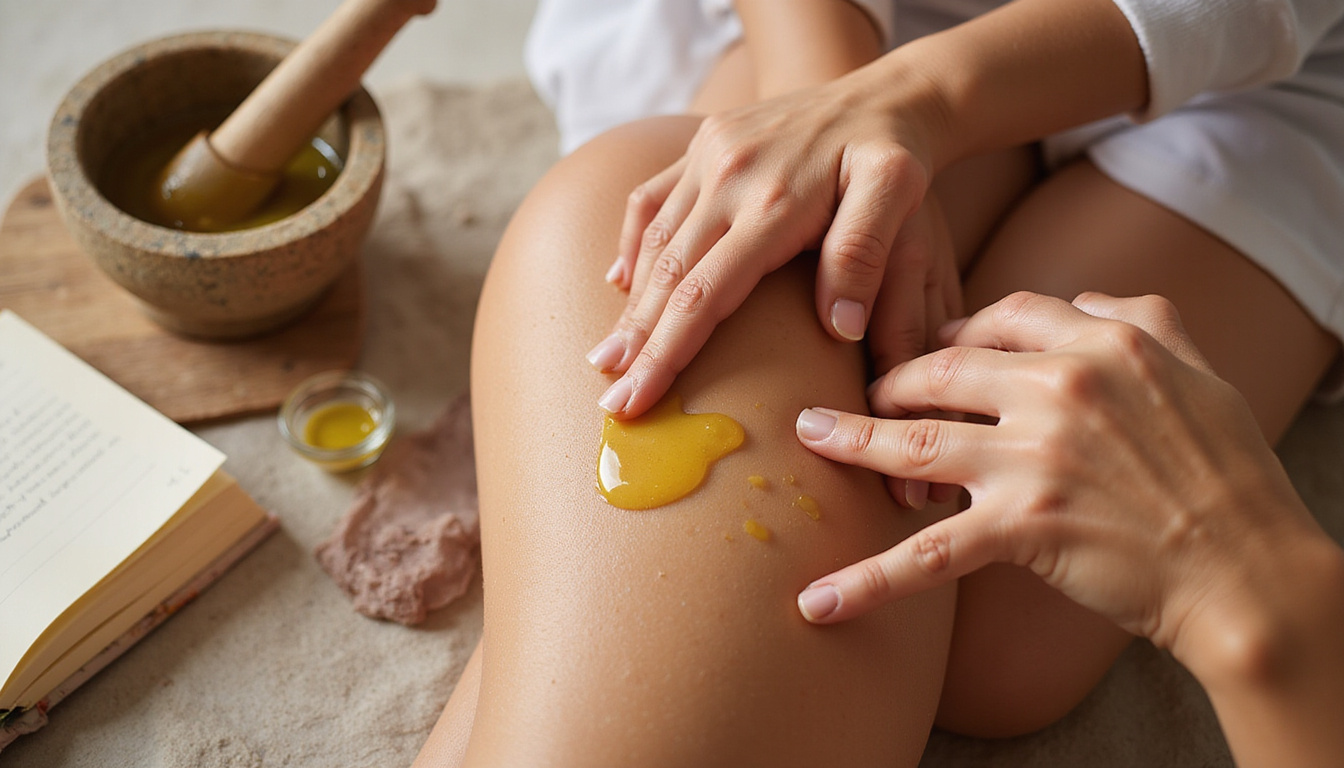
A defining feature of luxury body oil is its role in ritual as much as in hydration. The product often becomes part of a personal ceremony that emphasizes slowness, intentional touch, and sensory immersion.
Common ways people integrate such oils include:
- Applying immediately after bathing, on slightly damp skin, to enhance spread and comfort
- Using them for self-massage on areas of tension, such as shoulders, arms, or legs
- Pairing them with breathing exercises or stretching as a way to mark transitions in the day
What distinguishes a luxury ritual is not necessarily the cost of the formula, but the attention given to the moment. The oil becomes a tool for reinforcing a sense of care and presence, rather than simply a functional step.
At the same time, it is helpful to remember that the ritual value is highly individual. Some may derive more satisfaction from a minimalist, fragrance-free application; others from an elaborate, scented routine. Luxury, in this context, is as much about alignment with personal preferences as it is about the object itself.
When Luxury Body Oil Aligns — and When It Doesn’t
Luxury body oil can be a thoughtful choice in certain scenarios and less essential in others.
It may align well when:
- You place high value on texture, scent, and the overall sensory profile of your body care
- You are interested in specific lipid blends or botanical compositions and can identify them on an ingredient list
- You view body care as a meaningful ritual and want a product that reinforces that experience
It may be less aligned when:
- Your primary goal is addressing a specific skin concern that may be better served by simpler or more targeted formulations
- Strong fragrance or complex essential oil blends tend to irritate your skin
- You prefer minimalist routines with fewer steps and less emphasis on sensory detail
Luxury in this category often represents an optimization of experience and aesthetics rather than a fundamentally different mechanism of skin support. The base function—lubrication and helping to reduce water loss when layered appropriately—remains shared with more utilitarian oils.
Practical Ways to Evaluate a Luxury Body Oil
Without focusing on specific products, there are a few criteria that can help you assess options more critically:
- Read the ingredient list from the top down: The first several ingredients usually make up the bulk of the formula. Note whether they align with the benefits being emphasized.
- Consider your fragrance tolerance: Decide in advance how prominent you want scent to be and whether you prefer essential oils, synthetic fragrance, or unscented options.
- Think about use context: Everyday, occasional, or purely for ritual? This may influence your priorities around weight, finish, and fragrance intensity.
- Reflect on your skin’s tendencies: If you are breakout-prone on the body or highly sensitive, a simpler, more neutral oil may be more compatible, regardless of branding.
This kind of evaluation can help shift focus from the persuasive language surrounding a luxury body oil to its tangible, functional characteristics.
FAQ: Understanding Luxury Body Oils
Q1: Is a luxury body oil always better for skin than a basic body oil?
Not necessarily. A luxury body oil often offers more nuanced texture and a more complex sensory profile, but the core function—softening the skin’s surface and enhancing comfort—can be achieved by simpler oils as well. The difference lies in formulation elegance and experience rather than an inherent guarantee of superior results.
Q2: Can a luxury body oil replace my regular body lotion?
It depends on your skin’s needs and the climate. Oils predominantly address the lipid component of skin comfort and help reduce water loss when applied appropriately. Lotions typically provide both water and oil components. Some people use body oils in combination with, rather than instead of, lotions—either layered or mixed in the hand.
Q3: How do I know if a luxury body oil is suitable for sensitive skin?
Check for fragrance type and complexity, the presence of multiple essential oils, and the overall ingredient count. A shorter list with fewer potential irritants may be more compatible for some. Observing how your skin responds over time is the most informative guide, as sensitivity can vary significantly between individuals.
A nuanced view of luxury body oil recognizes both its strengths and its limitations. The category excels at creating an elevated tactile and aromatic experience, often supported by thoughtful formulation choices. At the same time, its fundamental role remains straightforward: to enhance softness, comfort, and a sense of care. Approaching these oils with both appreciation and discernment allows you to decide when the added layers of artistry and ritual genuinely enrich your routine—and when a simpler option may serve you just as well.