Luxury Chemical Peel: Where Skincare, Procedure, and Perception Meet
The phrase luxury chemical peel sits at an interesting crossroads between high-end skincare and in-clinic cosmetic procedures. To consumers, it can suggest a refined experience, advanced formulations, and elevated results. Yet underneath the marketing language, we are still talking about controlled exfoliation with acids or similar actives—interventions that range from very mild at-home treatments to deeper, clinic-only procedures.
Understanding what “luxury” really means in this context requires looking beyond elegant packaging or spa-like surroundings. It means examining formulation standards, safety considerations, and the expectations you bring to the experience, whether you are using an at-home exfoliating mask or seeking a professional peel treatment.
What Defines a “Luxury” Chemical Peel?
In skincare language, “luxury” is less a regulatory category and more a positioning choice. A peel marketed as luxury typically distinguishes itself from mass or mid-range offerings in several ways:
- Formulation complexity and texture: Peels may combine multiple exfoliating agents (such as alpha- and beta-hydroxy acids) with sophisticated texture modifiers, humectants, and skin-conditioning ingredients designed to feel more “cushioned” or indulgent.
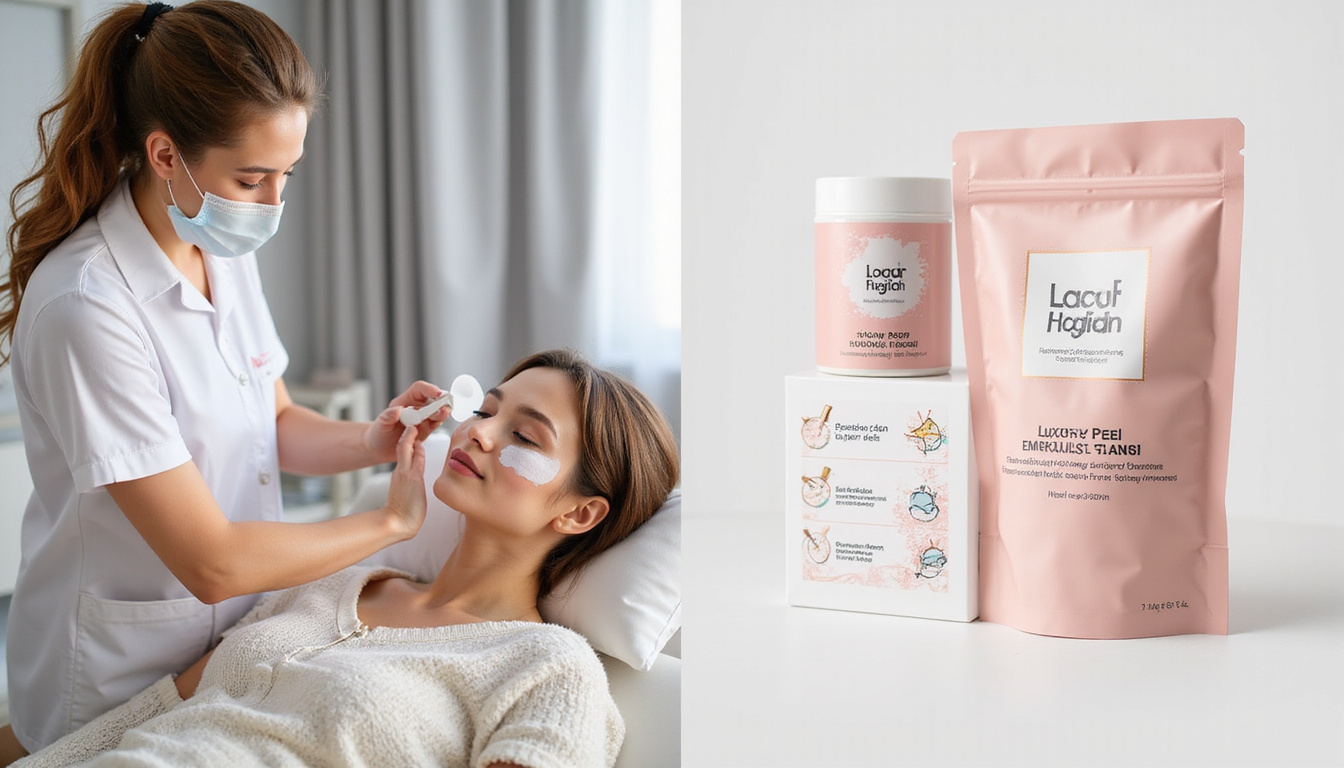
- Sensory environment: In a professional setting, a prestige peel experience often emphasizes ambience—lighting, linens, music, and therapist touch—in addition to the solution applied to the skin.
- Aesthetic identity and storytelling: Branding often draws on niche ingredients, proprietary complexes, or artisanal narratives to create an aura of exclusivity.
- Service positioning: In-clinic offerings may be framed as high-touch, highly curated experiences with extensive consultation, follow-up care plans, and perceived personalization.
Conceptually, a luxury chemical peel is less about the simple presence of acids and more about the total experience: the peel solution itself, the surrounding skincare, the environment, and the communication around safety and results.
Formulation Standards: Beyond Strength and “Burn”
Peels are often described informally by their strength, but “stronger” is not automatically “better,” nor is it a reliable marker of luxury. A more useful lens is formulation design.
Key aspects that tend to differentiate higher-end peel formulations include:
Acid selection and synergy
Instead of a single acid at a blunt concentration, premium-oriented peels may use combinations—such as glycolic, lactic, mandelic, salicylic, or polyhydroxy acids—chosen for complementary properties. For instance, larger-molecule acids like mandelic or gluconolactone typically penetrate more slowly and can feel gentler, which may align with a more refined user experience.pH control and buffering
The pH of a peel dramatically influences how active an acid is on the skin. A carefully buffered formulation can temper the sharpness of an acid while still promoting exfoliation. In a luxury context, considerable attention is often directed to controlling pH for predictable performance and a more comfortable application.Supportive, non-exfoliating components
Many modern peel formulas incorporate:- Humectants (e.g., glycerin, certain sugar derivatives) to attract water
- Emollients and lipids to help counteract barrier disturbance
- Soothing agents (such as botanical extracts or synthetic calming molecules) to reduce the perception of stinging
While these do not negate irritation risks, they can contribute to a more measured, less abrasive feel.
Formulation stability and consistency
Luxury-positioned peels frequently emphasize stable actives, batch-to-batch consistency, and a specific sensorial profile—smooth spreadability, controlled evaporation, and predictable set time. From a consumer perspective, this consistency can be as important as the headline acid percentage.
It is worth noting that robust formulation does not guarantee safety or compatibility for every individual; rather, it suggests a deliberate design process aimed at balancing efficacy with comfort.
Ingredient Quality vs. Ingredient Storytelling
Ingredient sourcing is a frequent point of differentiation in luxury skincare more broadly, and peels are no exception. Terms like “pharmaceutical-grade,” “pure,” or “clinical” may appear in marketing language, but there are a few nuances for consumers to keep in mind.
- Purity and standardization: Many acids and solvents used in peels are already produced to high, standardized purity, even in non-luxury products. Within a given regulatory framework, the differences may lie more in supplier selection and quality controls than in a radically different raw material.
- Proprietary complexes: Luxury peels may feature branded blends—say, a combination of acids with plant extracts or peptides under a trademarked name. These complexes can reflect real formulation innovation, but their names alone do not guarantee superior results.
- Botanical and “rare” ingredients: Exotic or rare-sounding components can be compelling and may provide sensory or complementary benefits; however, they should be viewed as part of the supporting cast, not the core reason a peel works. The primary exfoliating action still comes from the acids (or occasional enzyme systems).
Consumers evaluating ingredient lists may wish to distinguish between:
- Functional components (acids, pH adjusters, solvents, humectants, film-formers)
- Comfort and care components (soothing agents, lipids, barrier-supportive ingredients)
- Narrative components (botanicals and complexes highlighted for storytelling)
A luxury label often blends all three, but it is the first two that largely determine how the peel behaves on the skin.
Sensory Experience and “Formulation Elegance”
One of the clearest markers of a luxury chemical peel—especially in a professional setting—is how the experience feels from start to finish.
Elements of this “formulation elegance” and sensory design can include:
- Application texture: A peel that spreads evenly without tugging, dripping, or pooling, and that rinses or neutralizes cleanly, tends to be perceived as more refined.
- Sting profile: Some level of tingling is common, but well-designed luxury peels often aim for a controlled, quickly subsiding sensation rather than prolonged burning.
- Fragrance and ambiance: Some peels are fragranced to create an olfactory experience; others are deliberately fragrance-free to prioritize sensitivity. The broader environment—lighting, music, therapist communication—often plays a strong role in how “luxurious” the peel feels.
- Post-peel touch and finish: The immediate after-feel—whether the skin seems cushiony, dry, tight, or comforted—is often the result of the peel being paired with specific neutralizers, hydrating masks, or finishing treatments.
While sensory elegance does not automatically translate to better outcomes, it can affect how tolerable and enjoyable the process feels, which may influence whether someone continues with a series of treatments or adheres to recommended aftercare.
Safety Considerations: From At-Home to In-Clinic
Chemical peels span a spectrum from very mild, over-the-counter exfoliating masks to medium or deeper in-clinic treatments that require professional oversight. “Luxury” can appear at any point on this spectrum, but safety principles remain consistent.
Key safety-related factors include:
Depth and objective of the peel
Very superficial peels target only the stratum corneum (the outermost layer of dead cells), while deeper peels reach further into the epidermis or beyond. Luxury positioning does not change the fact that deeper peels carry more downtime and higher risk of adverse effects, especially for certain skin tones and conditions.Professional assessment
In a professional environment, a high-end peel experience may include a detailed consultation, skin analysis, and discussion of medical history and current skincare routines. The quality of this assessment—listening, questioning, and tailoring—can be more impactful for safety than the brand identity on the bottle.Protocol and monitoring
Standardized application times, neutralization steps, and close observation of skin response are critical to risk management. In luxury-oriented settings, protocols may be more elaborate, but the fundamentals (timing, monitoring, and post-care) remain the core safety elements.Post-peel care
Gentle cleansing, attentive moisturization, and consistent photoprotection are widely recommended after exfoliating procedures (source: American Academy of Dermatology). Luxury peels often integrate curated aftercare regimens, but the underlying rationale is the same: support the skin barrier while it renews.
For at-home products described as luxury chemical peels, safety hinges on clear instructions, realistic usage frequency, and a cautious approach to layering with other active products such as retinoids or strong exfoliants.
Skin Compatibility and Sensitivity: Not All Luxury is Gentle
A common perception is that higher-end products will automatically be kinder to sensitive or reactive skin. In the case of peels, that assumption can be misleading.
High concentration vs. refined feel
Some luxury peels use high acid concentrations paired with sophisticated texturizers and soothing agents. The experience might feel smoother, but the underlying exfoliation can still be intensive, particularly for those with compromised barriers.Fragrance and botanicals
Scent and plant extracts may enhance the sensory experience, yet they can be problematic for some individuals. A product or procedure can be luxury-positioned and still contain potential sensitizing components.Skin tone and history
Individuals with a history of post-inflammatory pigmentation or certain skin conditions may be more prone to uneven responses after peeling. Luxury positioning does not negate these risks; in fact, a more thorough pre-treatment conversation becomes even more important.
Ultimately, compatibility is highly individual. The “best” luxury chemical peel for one person might be excessively aggressive or, conversely, underwhelming for another, depending on skin history, current routine, and expectations.
Brand Transparency and Earning Consumer Trust
In a category built on refinement and experience, transparency can be a meaningful marker of quality.
Elements that often signal a thoughtful approach include:
- Clear communication of:
- Acid types and approximate strengths or ranges
- Recommended frequency of use
- Who should avoid the product or treatment
- Detailed pre- and post-care guidance
- Openness about potential side effects, such as temporary redness, flaking, or uneven shedding
- Realistic framing of outcomes, emphasizing gradual improvements rather than dramatic transformations
For in-clinic luxury peels, transparency also extends to how practitioners describe what is being used on the skin, why it was chosen, and what can reasonably be expected over a sequence of sessions.
When Luxury Skincare Aligns With Your Needs — and When It Doesn’t
The value of a luxury chemical peel depends less on its positioning and more on how well it aligns with personal priorities and skin realities.
It may align particularly well when:
- You place a high value on sensory experience and environment, not just outcomes.
- You appreciate formulation nuance, such as well-balanced acid blends and carefully designed textures.
- You have access to knowledgeable guidance that accompanies the peel, particularly for in-clinic offerings.
- You prefer structured aftercare and a more curated, rather than purely functional, approach.
It may be less aligned when:
- You are primarily seeking basic exfoliation with minimal frills.
- Your skin is very reactive and you need to minimize any exposure to fragrance or complex blends.
- You are most concerned with clear, clinical simplicity rather than multi-layered ingredient stories.
Viewing luxury peels in this way can help separate the genuine benefits—comfort, consistency, and thoughtful formulation—from purely aesthetic or aspirational signals that may not matter to you personally.
Practical Checklist: Evaluating a Luxury Chemical Peel Offering
When considering a peel framed as luxury, it can be useful to look past branding and ask:
- What types of acids are used, and how are they combined?
- Is there information about pH, or at least about strength categories (very superficial vs. more intensive)?
- How are potential side effects described and managed?
- What pre- and post-peel instructions are provided, and do they seem thorough?
- How does the provider or brand address suitability for different skin types and tones?
- Are your questions welcomed and answered in clear, non-pressuring language?
This kind of structured evaluation can help you interpret the “luxury” label in a more concrete, safety- and results-focused way.
FAQ: Luxury Peels and Consumer Questions
Q1: Is a luxury chemical peel safer than a standard peel?
Not by default. Safety depends on factors such as peel depth, acid type and concentration, application protocol, and how well the treatment is matched to your skin characteristics and history. Luxury-positioned peels may include more extensive consultation and aftercare, which can support safer use, but the label itself does not guarantee a reduced risk profile.
Q2: Are luxury facial peels always stronger or more effective?
Not necessarily. Some are formulated to be more intensive, while others prioritize comfort and gradual refinement. Perceived effectiveness can also be influenced by paired products (such as hydrating masks and serums) and adherence to aftercare. The best match for one person’s skin may not be ideal for another, regardless of how high-end the branding appears.
Q3: How often can someone use a high-end exfoliating peel at home?
Frequency guidance varies widely among products and should be based on the specific formula, as well as your existing routine and skin response. Many at-home exfoliating treatments are designed for occasional or weekly use rather than daily application. Observing how your skin responds—especially in terms of dryness, tightness, or visible irritation—and adjusting accordingly is generally advisable.
A More Informed Lens on Luxury and Peels
When stripped of their branding and ambiance, luxury chemical peel offerings still rest on the same foundations as any exfoliating intervention: acid chemistry, skin biology, and the careful management of controlled irritation. The luxury dimension adds sensorial polish, narrative richness, and often more elaborate service design—but these layers are most meaningful when they sit on top of solid formulation and responsible practice.
Approaching this category with a measured, questioning mindset—looking at what is actually in the formula, how it is used, and how it is explained—allows you to engage with luxury peels as an informed participant rather than a passive recipient. In doing so, the concept of “luxury” becomes less about status and more about how thoughtfully your skin, time, and comfort are being considered.