Luxury Cleansers: More Than Just Face Wash?
Within the world of high-end skincare, the luxury cleanser has become a quiet status symbol. Yet, unlike a serum or treatment, cleansing is often seen as a fleeting step—on the skin for under a minute, then rinsed away. That raises a reasonable question: what, if anything, meaningfully distinguishes a luxury cleansing formula from its mass or mid-range counterparts?
Understanding this category requires looking past packaging and fragrance to the underlying formulation philosophy: how the product cleanses, how it feels, how it respects the skin barrier, and how transparently the brand communicates those choices.
What Defines a Luxury Cleanser?
“Luxury” in skincare is not a regulated term; it is a positioning. In the cleansing category, however, certain patterns tend to appear:
- More complex surfactant systems designed to be gentler
- A focus on sensorial cues (texture, aroma, rinse feel)
- Elevated packaging and brand storytelling
- Emphasis on perceived “treatment” benefits, not just cleansing
Broadly, a luxury cleanser aims to do three things simultaneously: remove impurities effectively, maintain skin comfort and suppleness, and deliver a refined sensory experience. Where mass-market formulas may prioritize cost and simplicity, luxury formulations often invest in additional texturizers, emollients, and secondary ingredients to make the step feel less utilitarian and more ritualized.
However, this does not inherently mean better results for every skin type. The category is defined as much by expectation and experience as by chemistry.
Ingredient Quality vs. Ingredient Storytelling
The vocabulary around high-end cleansers can be rich with references to exotic botanicals, fermentation technologies, and complex actives. Some of this reflects real formulation sophistication; some of it is narrative.
From a more analytical perspective, ingredients fall into several functional groups:
Primary surfactants (cleansing agents)
These molecules bind to oil and debris so they can be rinsed away. In luxury cleansers, you’ll often see milder surfactants (e.g., certain amino acid–derived or nonionic surfactants) either used alone or in combination. The aim is to reduce the tight, squeaky feel associated with harsher agents like strong sulfates.Co-surfactants and mildness boosters
Secondary surfactants, polymers, and lipids can be combined to temper irritation potential and adjust foam quality. This layered approach is one area where premium cleansing formulas frequently diverge from basic ones.Emollients, humectants, and barrier-supporting components
These include plant oils, squalane, glycerin, and certain lipids. In rinse-off formats, they are not left on the skin in large quantities, but they can influence how comfortable the skin feels immediately after cleansing and how stripped (or not) it appears.Botanical extracts and “added benefits”
Antioxidants, soothing plant extracts, and gentle exfoliating components are often highlighted as points of difference. Their practical impact is more nuanced in a cleanser, since contact time is brief and much of the formula is rinsed away. They may still play a role, but typically more modest than in leave-on treatments (source: American Academy of Dermatology).
In the luxury segment, the line between ingredient quality and ingredient storytelling can blur. Rare botanicals or complex ferment filtrates may sound impressive, but the overall cleansing architecture (surfactant system, pH, and mildness) is usually more important for skin comfort than any single hero extract.
Sensory Experience and Formulation Elegance
Luxury skincare often distinguishes itself through what formulators call “elegance”—how a product spreads, emulsifies, transforms, and rinses.
In cleansers, that elegance can be seen in:
- Texture transitions: Oils that turn to milk with water, gels that become light foam, balms that melt seamlessly without leaving residue.
- Foam quality: Finer, denser bubbles and stable, cushiony lather are frequently prioritized for a more indulgent feel.
- Rinse behavior: A well-engineered formula can remove makeup and sunscreen while leaving the skin feeling supple rather than tight or coated.
- Aroma and sensorial cues: Fragrance—whether synthetic or naturally derived—is often a defining feature of a luxury cleanser, used to signal calm, freshness, or sophistication.
These qualities do not necessarily equate to superior long-term outcomes, but they do influence whether someone uses the product consistently and how pleasant the routine feels. For many consumers, that sensory refinement is a primary reason to reach for a luxury formula.
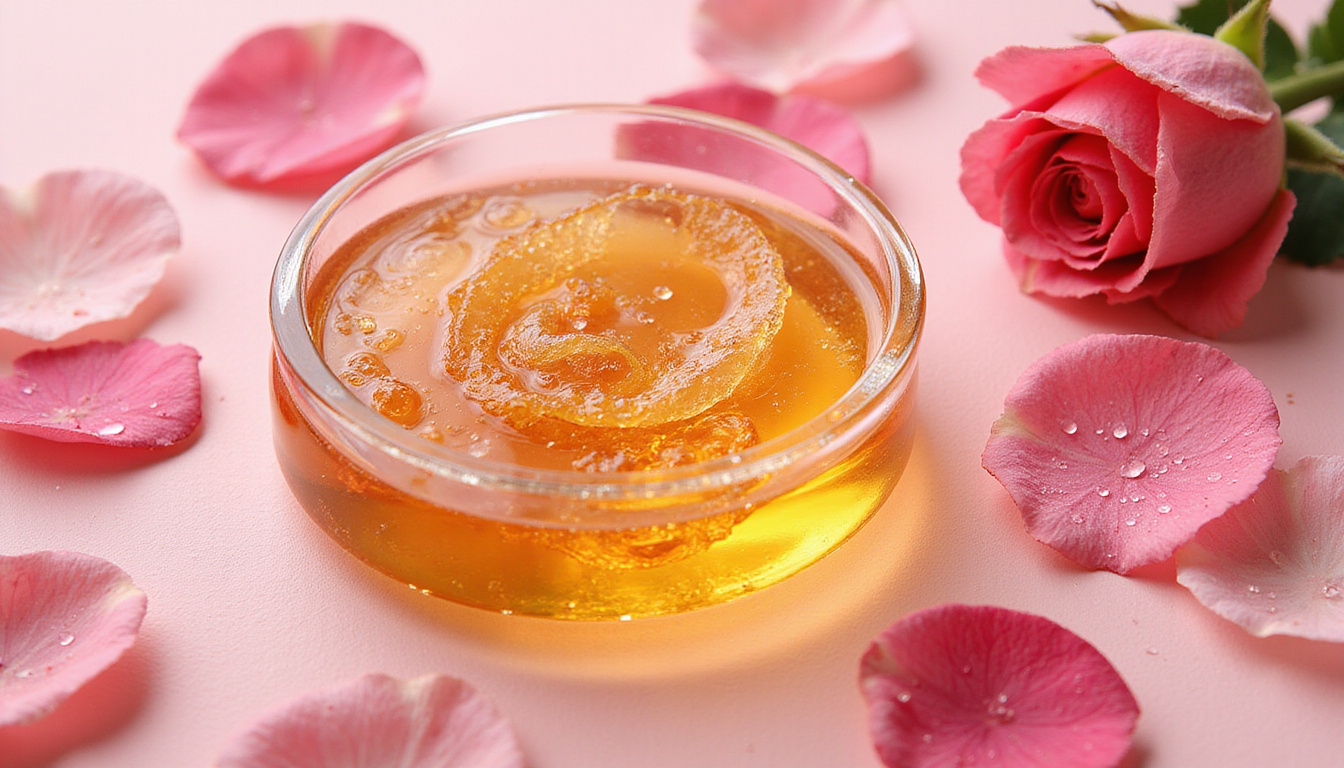
At the same time, fragrance and texturizers can be double-edged for sensitive or reactive skin, which may prefer more pared-back options.
Skin Compatibility and Barrier Respect
At its core, the purpose of a cleanser is to remove what does not belong on the skin’s surface—excess sebum, makeup, sunscreen, pollutants—without substantially disturbing the skin barrier.
Key considerations in assessing a more premium cleansing formula include:
pH alignment
Human skin is mildly acidic. Many modern cleansers, including some in the luxury space, are formulated to be pH-appropriate to better support the skin’s natural environment. While pH is only one variable, it plays a role in maintaining barrier integrity and comfort.Surfactant choice and concentration
Milder surfactants and balanced blends may be less likely to disrupt lipids in the outermost layer of the skin. Luxury cleansers often emphasize this, though not all formulas are equally gentle.Added comfort ingredients
Incorporating humectants and lipids can help counteract the drying potential of cleansing. Again, their presence does not completely negate the effect of strong surfactants, but they can contribute to a more comfortable after-feel.Fragrance and potential irritants
A rich, distinctive scent is frequently positioned as part of the luxury experience. For fragrance-tolerant users, this can be a pleasure; for sensitive or redness-prone skin, it may be a drawback. Similarly, certain botanical extracts can be either soothing or sensitizing depending on individual response.
Many consumers assume that a high-end cleanser is automatically “gentle.” In reality, gentleness is a formulation choice, not a price bracket. Evaluating ingredient lists, texture, and how your skin feels immediately and hours after cleansing remains more informative than brand positioning alone.
Brand Transparency and Consumer Trust
Trust plays a major role in the appeal of high-end skincare. Within the cleansing category, that trust is often built around:
- How clearly the brand explains its formulation philosophy
- Whether ingredient lists are easily accessible and complete
- How claims about benefits are framed—modestly, or with overstated promises
- The extent to which the brand acknowledges that results vary by skin type and routine context
Some luxury houses foreground proprietary complexes or patented technologies, which can make it harder for consumers to compare formulas on a like-for-like basis. Others emphasize more straightforward, INCI-driven transparency. Neither approach is inherently better, but clarity helps consumers align expectations with what a cleanser can realistically do.
When a brand openly communicates that its cleanser is primarily designed for comfort, mildness, and experience—rather than sweeping “anti-aging” outcomes—it can actually enhance credibility. A cleanser, however refined, is still a rinse-off product with a specific, limited role.
When a Luxury Cleanser Aligns — and When It Doesn’t
Not every skincare routine needs a high-end cleanser. The value of this category is highly contextual: skin type, environment, existing products, and personal priorities all play a role.
A luxury cleansing formula may align with your needs if you:
- Find that basic cleansers consistently leave your skin tight or uncomfortable
- Place high importance on texture, aroma, and ritual in your routine
- Use heavy or long-wear makeup and want a refined cleansing experience that fits into a multi-step regimen
- Prefer a more sensorially engaging first step as a signal to unwind and transition out of the day
By contrast, it may be less aligned if you:
- Have very reactive or medically complex skin, where minimal, functional formulas may be more appropriate
- Rarely wear makeup or heavy sunscreen and simply need a straightforward, mild wash
- Prefer to direct most of your skincare budget toward leave-on treatments, which remain on the skin and may have a greater opportunity to act
Crucially, “luxury” is not a guarantee of superiority; it is an aesthetic and formulation approach. Some consumers will experience noticeable comfort and enjoyment benefits from a more elevated cleanser; others may find that a well-formulated, simpler option serves them just as well.
How to Evaluate a Luxury Cleanser Beyond Branding
When considering a premium cleansing formula, it can be helpful to step back from the story and focus on a few practical markers:
Texture and format
Balm, gel, oil, milk, micro-foam—different textures suit different skin types and preferences. For example, oil-based or balm cleansers are often favored for removing heavy makeup in a first-cleansing step, while low-foam gels may appeal to those who dislike any residue.How your skin feels after rinsing
Within a few minutes of patting the skin dry, assess: is there tightness, stinging, or visible redness? Or does the skin feel balanced and comfortable? This feedback often tells you more than any marketing term.Consistency with your broader routine
If your routine already includes multiple potent actives, a very gentle, non-disruptive cleanser may be especially important. Conversely, if your routine is minimal, you may be more attentive to how “complete” your skin feels after the cleansing step.Ingredient transparency and clarity of purpose
Look for formulas that clearly communicate whether their priority is makeup removal, morning refresh, barrier comfort, or a combination. A cleanser that promises everything at once may be more aspirational than realistic.
Ultimately, the question is not “Is a luxury cleanser worth it?” in the abstract, but “Does this specific approach to cleansing suit both my skin and my values?”
Quick Checklist: Questions to Ask Yourself
When exploring higher-end cleansing options, you might find it useful to pause and consider:
- What does my skin actually need from a cleanser (makeup removal, oil control, comfort)?
- Do I enjoy rich textures and fragrance, or do I prefer minimal sensory input?
- Does my skin feel better, the same, or worse after using this formula for several days?
- Am I choosing this primarily for the experience, for performance, or for brand affiliation?
None of these motivations are wrong; understanding them simply helps align expectations with reality.
FAQ: Navigating the Luxury Cleansing Category
Is a high-end face wash necessary for an effective skincare routine?
Not necessarily. A routine can be effective with a modest, well-formulated cleanser. Luxury options typically emphasize refinement of texture, fragrance, and perceived comfort. For some, these factors make daily use more enjoyable; for others, they may not justify the investment if the main goal is straightforward cleansing.
Can a luxury cleansing balm or oil replace double cleansing?
An oil or balm cleanser may remove sunscreen and makeup efficiently enough for some users that a second cleanse becomes optional. However, preferences vary. Some still like to follow with a gentle water-based cleanser for a fresher feel, while others find one thorough cleanse sufficient. It often comes down to how your skin feels and the kinds of products you wear.
Do luxury foaming cleansers tend to be drying?
Foam itself is not inherently drying; it’s the specific surfactants and overall formulation that matter. Some modern luxury foam cleansers use milder surfactant blends and added humectants to reduce tightness. Others may still feel too brisk for dry or sensitive skin. As with any category, personal testing and attention to post-cleanse comfort are key.
A luxury cleanser sits at the intersection of chemistry, ritual, and self-perception. It can offer a more nuanced sensorial experience and, in some cases, a more thoughtfully balanced approach to cleansing and comfort. At the same time, its role remains foundational and finite: to clean the skin in a way that respects its surface and supports the rest of the routine.
Viewing this category through an analytical lens—focusing on formulation choices, skin response, and personal priorities—allows you to appreciate its strengths without overextending its promises. In the end, the most “luxurious” cleanser is less about the logo on the bottle and more about how effectively, and how comfortably, it fits the skin you live in every day.