Luxury Skincare for the Eye Area: More Than a Beautiful Bottle
The category of luxury eye serum sits at the intersection of science, sensory pleasure, and storytelling. It is marketed as the most refined way to care for the delicate eye area, yet the term “luxury” is not a regulated standard. Instead, it reflects a combination of formulation choices, texture, packaging, and brand positioning.
Understanding what actually differentiates a luxury-level eye treatment from a well-formulated non-luxury option helps consumers evaluate value, performance potential, and suitability for their own skin, beyond the allure of a name or a jar.
What Defines Luxury in an Eye Serum?
Luxury skincare is less a strict technical category and more a layered concept. When applied to eye serums, it typically involves several overlapping elements:
- Formulation complexity: Multiple active and supporting ingredients designed to work together in a lightweight, fast-absorbing base.
- Elevated textures: Serums that feel exceptionally fine, spread effortlessly, and layer well under other products and makeup.
- Refined aesthetics: Thoughtfully designed packaging, often with heavy components, custom applicators, or tactile details.
- Brand narrative: A strong emphasis on origin stories, proprietary complexes, or rare-sounding ingredients.
None of these characteristics alone guarantee superior performance. Instead, they signal that a brand is investing in a particular experience: from the first impression on your vanity to the way the product feels around the eyes. The challenge for consumers is separating experience from measurable benefits, and understanding where they intersect.
Ingredient Quality vs. Ingredient Storytelling
A central question in evaluating any high-end eye serum is whether its formula prioritizes genuine ingredient quality or leans more heavily on narrative. In luxury skincare, both tend to coexist, but not always in equal measure.
What “quality” can mean in an eye serum
For the thin, mobile skin around the eyes, ingredient quality is less about rarity and more about suitability and balance:
- Concentration and synergy: Multiple actives—such as humectants, emollients, and antioxidants—combined in compatible ratios that target hydration, surface texture, and the look of fatigue.
- Stability: Sensitive ingredients, like certain antioxidants or peptides, may require specific packaging and stabilizing agents to remain effective over time.
- Purity and refinement: More highly refined oils or extracts can feel lighter and reduce the risk of pore congestion near the eye contour.
By contrast, ingredient storytelling often emphasizes:
- Exotic plants from remote locations
- Proprietary “complexes” with registered names
- Long, elaborate sourcing narratives
These elements can coexist with robust formulation work, but they can also distract from core questions, such as: Are there well-established hydrating and protective agents? Is the formula designed with the eye area’s fragility in mind?
Independent dermatological organizations and scientific bodies frequently note that basic categories of ingredients—like moisturizers, antioxidants, and gentle surface refiners—are central to eye-area care, regardless of price tier (source: American Academy of Dermatology).
Sensory Experience and Formulation Elegance
One of the most consistent differences between luxury and mass eye treatments is the sensory experience—a focus on how the product looks, feels, and behaves rather than solely what it contains.
Key aspects of formulation elegance include:
- Texture: Luxury serums for the eye contour are often exceptionally light, almost fluid, absorbing quickly yet leaving a subtle slip that works under concealer. This often reflects the use of more sophisticated emulsifiers and texturizing agents.
- Spreadability: A small amount is designed to glide over the orbital area without tugging or pilling when layered with other products.
- Finish: Some formulas create a soft-focus finish, aiming to visually smooth the skin’s surface; others lean more dewy or satin, depending on the brand’s aesthetic.
- Fragrance and sensory cues: Fragrance—either added or naturally derived—may be used sparingly to enhance the ritual, though in the eye area this introduces a trade-off for those with sensitivities.
These qualities have real value for many users: if a serum feels pleasant and layers seamlessly, it is more likely to be used consistently, which is often key to any perceived benefit. Still, sensory refinement should not override basic compatibility and comfort. An exquisitely textured formula that stings or causes redness is not truly elegant for the person using it.
Skin Compatibility and Sensitivity Around the Eyes
The eye contour is structurally different from much of the face: the skin is thinner, more mobile, and often more prone to dryness and irritation. Luxury eye serums tend to acknowledge this by emphasizing gentleness, but the reality is nuanced.
Potential benefits of luxury formulations for sensitive eye areas
- Finer textures may reduce mechanical friction when applying.
- More sophisticated emollients can create a protective veil without feeling heavy or occlusive.
- Careful pH tuning may support comfort, especially when formulas include resurfacing or “brightening” agents.
Potential challenges and trade-offs
- Fragrance and essential oils: Often used to elevate the sensorial profile, but may be problematic for reactive eyes.
- Complex ingredient lists: A higher number of botanical extracts and patented complexes increases the chance of encountering something your skin does not tolerate well.
- Potent actives: Some luxury lines position their eye treatments as highly active; those prone to sensitivity might need to introduce them gradually or opt for simpler formulas.
Consumers with delicate eye contours often benefit from reading ingredient lists with particular attention to fragrance components, strong surface refiners, and certain preservatives, especially when trying a new high-end formula. Patch testing on the outer orbital bone, rather than directly next to the lash line, is a common precaution.
Brand Transparency and Consumer Trust
Luxury skincare brands typically cultivate a strong identity and philosophy. The most compelling among them also recognize that modern consumers expect more than evocative imagery—they look for transparency and clarity. When evaluating a high-end eye serum, consider:
- Ingredient disclosure: Is the full ingredient list easily accessible and clearly labeled?
- Claims language: Are benefits described in measured, realistic terms, or in vague, inflated promises?
- Testing information: Some brands describe their in-house or third-party testing in general terms, such as user-perception studies or stability assessments, without overstating outcomes.
- Explanation of proprietary complexes: Are trademarked blends explained in plain language, or simply named without context?
Transparent communication supports trust, but it also allows consumers to compare formulas across the spectrum—from luxury to mass—and decide what aligns with their skin needs and personal values.
Application Principles: Getting the Most from an Eye Serum
While each formula is unique, several application principles tend to apply widely across the category. These focus less on enhancing the product’s claims and more on supporting comfort, consistency, and compatibility with a daily routine.
General application guidelines
Use a minimal amount
A rice-grain-sized amount for both eyes is often adequate, especially with highly spreadable luxury textures. Using more does not necessarily enhance results and can increase the risk of migration into the eyes.Apply on clean, slightly dry skin
Most eye serums are designed to be applied after cleansing and before heavier creams or sunscreens. Skin should be damp at most, not wet, to maintain formula integrity and reduce dilution.Focus on the orbital bone
Gently tapping around the eye socket (above the cheekbone and below the brow) allows diffusion without placing product too close to the lash line, where it may enter the eye.Use light pressure
Whether using the ring finger or an included applicator, the goal is to glide the product without stretching the skin. Excessive pressure offers no additional benefit.Allow time before makeup
Giving the serum a short settling period before concealer or foundation can minimize pilling and help makeup adhere more evenly.Introduce gradually if the formula is active-forward
If the eye serum highlights concentrated resurfacing or brightening ingredients, some users choose to begin with alternate-day application, then adjust based on comfort.
These principles support a thoughtful, measured use of any eye-area product, regardless of where it sits on the luxury spectrum.
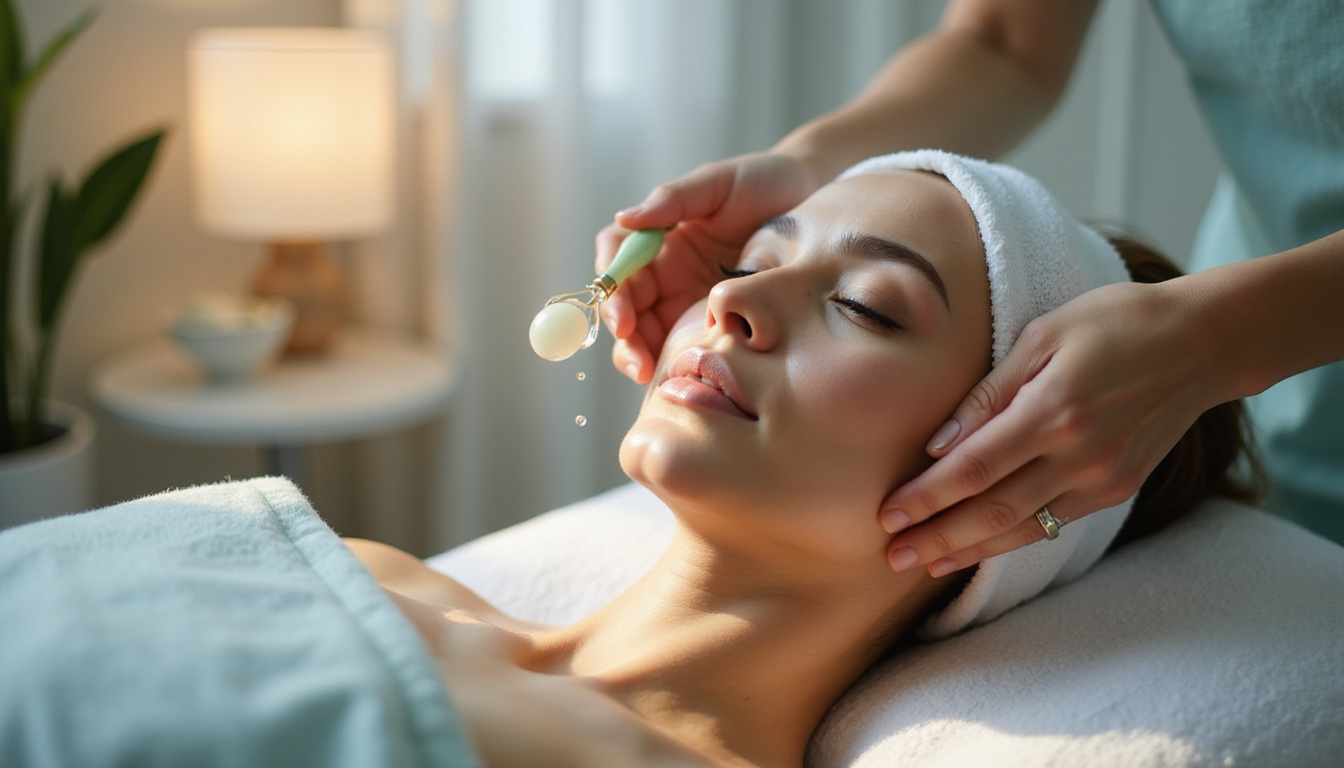
When Luxury Eye Care Aligns — and When It Doesn’t
Luxury positioning in skincare is neither inherently superior nor superficial; it is a framework with both merits and limitations.
Where luxury can align well with consumer needs
- Texture-sensitive users who prioritize lightweight, highly refined formulas that sit invisibly under makeup.
- Ritual-focused routines, where a visually and sensorially pleasing product encourages consistency and mindful application.
- Consumers seeking specific aesthetic experiences, such as cooling metal applicators, subtle optical blurring, or a particular finish.
Where luxury may not add significant functional value
- Very simple goals, such as basic hydration and comfort, which many thoughtfully formulated non-luxury products can achieve.
- Highly reactive skin, where shorter ingredient lists and strictly fragrance-free formulas may be easier to navigate.
- Expectation of dramatic change, when the eye area’s structural characteristics mean that improvements, if any, tend to be incremental and dependent on consistent use, sleep, UV protection, and overall lifestyle.
Ultimately, the question is not whether a product is “luxury” or “basic,” but whether its formula, texture, and brand philosophy align with an individual’s skin, preferences, and tolerance for complexity.
A Quick Checklist for Evaluating High-End Eye Serums
When looking at a sophisticated eye treatment, the following list can help structure your assessment:
- Does the ingredient list balance humectants, emollients, and supportive antioxidants?
- Is the texture compatible with how you wear makeup—or with a minimal routine?
- How does the brand communicate benefits: aspirationally, or in grounded, specific language?
- Are potential irritants (such as strong fragrance) a concern for your personal skin history?
- Does the formula’s complexity serve a clear purpose, or primarily build a story?
FAQ: Understanding the Luxury Eye Care Category
Q1: Is a luxury eye serum always more effective than a simpler eye cream?
Not necessarily. A higher-end serum may offer a more refined texture, a broader array of ingredients, or a more elevated experience, but effectiveness depends on how well the formula addresses your specific concerns and your skin’s tolerance, rather than its market position alone.
Q2: What makes premium eye care different from standard moisturizers around the eyes?
Premium eye treatments often focus on finer textures, targeted ingredient combinations, and compatibility with makeup. However, a well-formulated general moisturizer, if gentle and non-irritating, can sometimes fulfill basic needs like hydration and surface comfort around the eye contour.
Q3: Are eye serums with luxury positioning suitable for all skin types?
Suitability varies widely. Many are designed with a broad audience in mind, using light textures and balanced moisturizing agents. Yet individual sensitivities, especially to fragrance or certain botanicals, mean that no category—luxury or otherwise—is universally ideal. Evaluating ingredients and introducing new products carefully remains important.
A Measured Perspective on Luxury Eye Care
Luxury skincare, especially in the eye category, excels at creating a cultivated experience: elegant packaging, sophisticated textures, and intricate narratives. These qualities can be genuinely meaningful for those who value ritual and sensory refinement in their routines.
At the same time, the term “luxury” should not be mistaken for an objective guarantee of performance. For the eye area, real value lies in how well a serum balances comfort, compatibility, and ingredient integrity with a user’s individual skin and preferences.
Approaching this category with a thoughtful, questioning mindset—looking beyond the story to the formula, and beyond the promise to the practicalities of daily use—allows consumers to appreciate the artistry of luxury skincare while making informed, grounded decisions about what truly serves their skin.