Defining Luxury Facial Treatments: More Than a Price Tag
In the world of skincare, luxury facial treatments have become shorthand for indulgence, expertise, and high expectations. Yet beyond the plush surroundings and extended treatment menus, the category is less clearly defined than the marketing suggests. What actually distinguishes a luxury facial from a standard one? How much of the experience is rooted in advanced technique or formulation, and how much is crafted through ambiance and narrative?
Understanding this category on its own terms—rather than as an automatic upgrade—can help you interpret claims, assess what you’re paying for, and match treatments more closely to your skin’s needs and your personal preferences.
What Defines a Luxury Facial Treatment?
While there is no formal regulatory definition, several elements tend to characterize luxury facial treatments as a category:
Environment and ritual
Luxury facials are typically delivered in a highly controlled, sensorial space: low lighting, minimal noise, temperature regulation, and carefully chosen scent. The treatment is often framed as a ritual with multiple steps, deliberate pacing, and transitions designed to feel seamless rather than clinical.Extended time and personalization
Session durations are often longer, with time allocated to consultation, skin analysis, and bespoke adjustments. Personalization may include tailoring massage pressure, mask combinations, or tool usage to your skin condition and comfort level. How meaningfully this is done varies widely across providers.Formulation focus
Luxury facials usually employ skincare products positioned in the high-end or professional space, often emphasizing texture refinement, layered application, and concentrated active ingredients. Some concepts prioritize rare or niche ingredients; others center on minimalist yet sophisticated formulations.Advanced techniques or tools
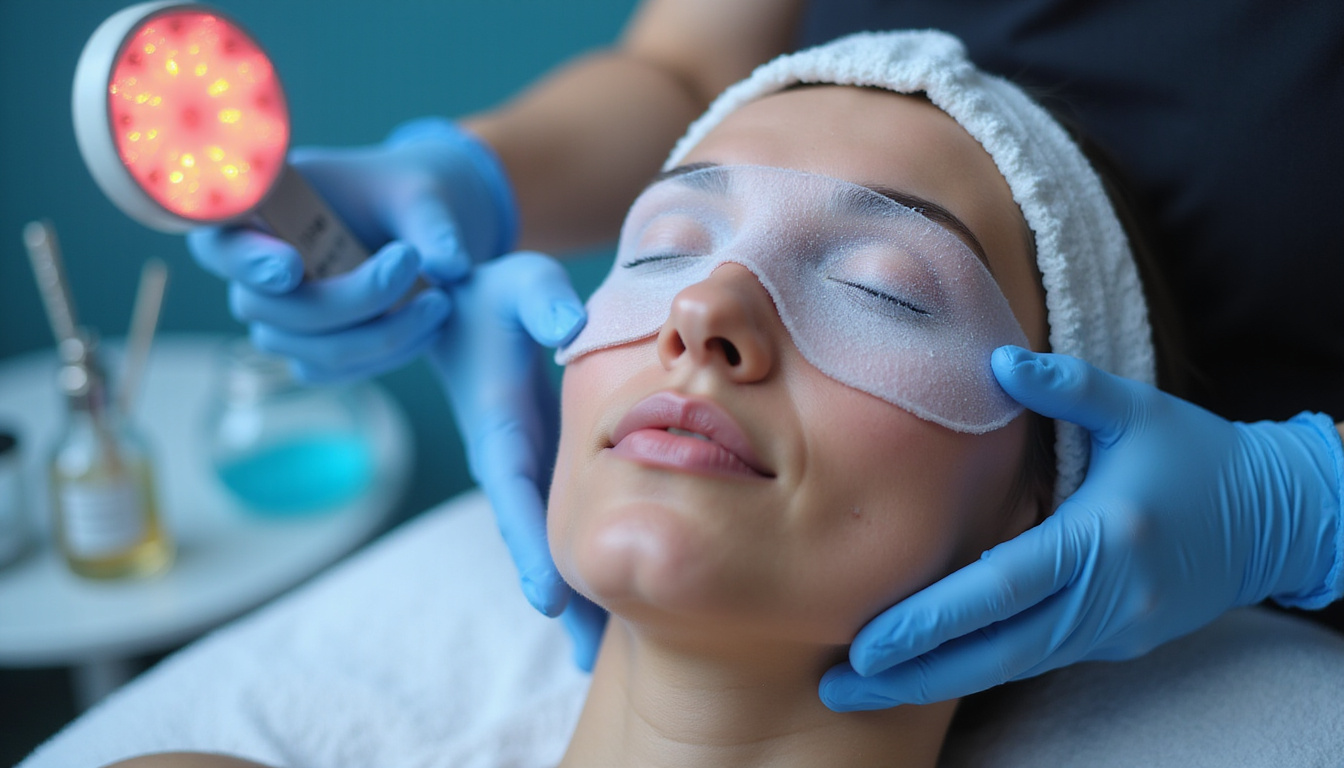
Depending on the setting, treatments may incorporate techniques like multi-plane facial massage, lymphatic-inspired movements, or tools such as LED panels, ultrasound, oxygen diffusion, or microcurrent devices. Integration tends to be choreographed to feel fluid rather than purely functional.Narrative of care and craftsmanship
A defining feature of the luxury segment is the story surrounding it: heritage, research focus, exclusive protocols, or signature techniques. This storytelling can reflect genuine formulation or technique differentiation—or function primarily as branding. Often, it is a blend.
These elements distinguish the category from more standardized, protocol-driven facials found in many spas or clinics, where efficiency and straightforward outcomes may be emphasized over immersion and customization.
Luxury vs. Mass and “Premium” Skincare Experiences
The distinction between luxury, mass, and mid-tier (“premium”) facial experiences is less about a single metric and more about a cluster of expectations.
Mass-market facial treatments often:
- Use widely available professional lines with a focus on practicality and versatility
- Rely on standardized treatment scripts with limited time for customization
- Prioritize core steps: cleanse, exfoliate, treat, hydrate, and protect
Premium treatments may layer on:
- More focused ingredient strategies (for example, emphasizing hydration, barrier support, or gentle resurfacing)
- Some choice of add-ons such as masks or light devices
- Upgraded textures and somewhat more elaborate protocols
Luxury treatments typically extend further, emphasizing:
- Stronger sensory design—textures with high spreadability, low residue, and nuanced fragrance or fragrance-free elegance
- Longer, more intricate massage components
- Conceptual frameworks (e.g., “skin rejuvenation through touch,” “holistic skin wellness,” or “high-tech facial sculpting”) that shape the entire protocol
However, perceived hierarchy is not a guarantee of performance. A meticulously delivered premium facial with thoughtful ingredient selection and solid technique may align more closely with your skin’s needs than a more elaborate but generalized luxury protocol. The category difference is best understood as a difference in emphasis—especially on sensory refinement and narrative—rather than a universal upgrade in results.
Ingredient Quality vs. Ingredient Storytelling
Luxury facial treatments often highlight “elevated” ingredients: ferment extracts, stabilized forms of vitamins, biomimetic lipids, peptides, or botanical complexes. The crucial question is whether the formulations reflect:
- Meaningful concentration and compatibility, or
- Primarily a compelling story.
Key points to consider at a category level:
Complex does not always mean better
Multi-step rituals and long ingredient lists can create an impression of sophistication. That complexity can be beneficial when it reflects layered yet harmonious functions—hydration, barrier support, gentle resurfacing, and antioxidant care. Yet the more ingredients and steps involved, the greater the potential for irritation or redundancy if not thoughtfully balanced.“Rare” or “exotic” is not a performance guarantee
Many luxury concepts foreground ingredients that sound unique or exclusive. Some may genuinely offer interesting sensorial or formulation advantages. Others may be interchangeable with more familiar actives, contributing more to storytelling than to substantive difference.Stability and delivery systems are often overlooked
The true refinement in high-level skincare frequently lies in how well-known ingredients are stabilized and delivered, rather than in their novelty. Encapsulation technologies, pH optimization, and emulsion structure can quietly influence how comfortable, elegant, and consistent a treatment feels on the skin (source: American Academy of Dermatology – General skin care principles). Luxury protocols are more likely—though not guaranteed—to emphasize these nuances.Claims language is highly interpretive
Terms such as “high-performance,” “advanced complex,” or “couture formulation” are marketing descriptors rather than standardized scientific categories. Within luxury facials, such language often reflects brand positioning rather than an objective scale of potency.
In essence, the luxury category tends to invest more in ingredient storytelling and formulation craftsmanship, but how much that translates into tangible skin benefits depends heavily on the specific protocols and brands behind them.
Sensory Experience and Formulation Elegance
One of the clearest differentiators of luxury facial treatments is the sensory sophistication of both the environment and the products used.
Texture and spread
Creams that glide without drag, serums that absorb quickly yet leave a subtle cushion, masks that transform from gel to oil or cream—these qualities are not incidental. They are the result of deliberate formulation work on emulsion structure, oil phase selection, humectant balance, and film-forming agents.Fragrance and neutrality
In luxury contexts, scent is either carefully constructed or intentionally minimal. For some treatments, a signature fragrance is integral to the ritual; for others, the perceived “luxury” lies in near-fragrance-free formulations that still feel sensorially complete.Temperature and touch
The controlled warmth or coolness of towels, tools, and products, along with slow, rhythmic application, is central to the category. Facial massage is choreographed for comfort as much as for aesthetic effect, using oils or balms chosen for slip, residue level, and compatibility with subsequent steps.
This emphasis on sensorial pleasure does not guarantee improved skin outcomes, but it can influence short-term perceptions of radiance and smoothness—through enhanced hydration, temporary plumping from massage, and superficial exfoliation. It also shapes the emotional dimension of care, which is often as central to luxury treatments as any measurable cosmetic change.
Skin Compatibility and Sensitivity Considerations
Luxury positioning does not inherently mean gentler or safer for sensitive skin. In fact, certain hallmarks of the category can pose challenges for reactive or easily-irritated complexions:
Layered actives
Long protocols might combine multiple exfoliating agents, fragrant components, or potent actives within one session. Without careful calibration, this can increase the risk of short-term redness or discomfort, particularly for those with compromised barriers.Fragrance and botanicals
Complex fragrance structures and botanical extracts can be sensorially appealing but may not suit highly sensitive or reactive skin types. In luxury facials, these elements are often central to the brand’s identity, making them harder to avoid.Manual pressure and heat
Extended massage and warm compresses can be soothing for many, but overly vigorous techniques or excessive warmth may not be ideal for certain skin concerns or tendencies toward redness.
Because protocols vary significantly, skin compatibility in the luxury category is best evaluated through:
- The thoroughness of pre-treatment consultation
- The practitioner’s responsiveness to feedback during the session
- The availability of adjusted or simplified protocols for more reactive skin
A carefully adapted luxury facial can be compatible with sensitive skin, but adaptation is not automatic; it depends heavily on practitioner training and the flexibility of the treatment design.
Brand Transparency and Consumer Trust
In luxury facial treatments, trust is built not only on ambiance and reputation, but also on how openly the brand and practitioner communicate about:
Ingredient disclosure
Some luxury concepts fully share ingredient lists and highlight their formulation philosophy; others lean more on evocative descriptions than on specifics. For informed consumers, clear access to ingredient information is a key element of transparency.Technique rationale
When certain massage sequences or devices are used, transparency means explaining their intended cosmetic goals in realistic, measured terms rather than leaning solely on dramatic language or vague promises.Expectations and limitations
The most consumer-respectful treatments are those that distinguish between short-term aesthetic effects (e.g., temporary smoothness, hydration, and a more polished look) and longer-term skin maintenance, without overstating what a single session can achieve.Consistency across locations and practitioners
In many luxury environments, the overall positioning is consistent, but the execution can vary. Strong training standards and clear protocols—paired with room for appropriate customization—contribute to a more reliable experience.
For consumers, brand transparency does not require technical expertise; instead, it invites clear language, accessible explanations, and realistic framing of what the treatment is designed to do.
When Luxury Facial Treatments Align — and When They Don’t
Luxury facial treatments may align particularly well with your needs when you:
- Value ritual, touch, and sensory detail as much as visible outcomes
- Prefer extended, unhurried appointments with space for consultation and adjustment
- Appreciate texture refinement, ambient design, and a curated, cohesive experience
- View skincare not only as appearance maintenance but also as a form of personal time and decompression
They may be less aligned when:
- Your main priority is targeted, outcome-focused intervention—often better served by consistent at-home care and, when appropriate, medically supervised options
- You have highly reactive skin and find complex protocols, fragrance, or extended massage difficult to tolerate
- You are primarily seeking clarity and simplicity, rather than layered experiences and narratives
At a category level, luxury facials excel in creating a refined, enveloping environment with a strong emphasis on sensorial finesse and perceived craftsmanship. Their limitations arise when the aesthetic of luxury is assumed to be synonymous with universal suitability or superior cosmetic performance.
Practical Lens: How to Evaluate Luxury Facials
Without referencing specific brands or menus, you can approach luxury facial treatments with a set of guiding questions:
Formulation philosophy
- Is there a coherent explanation of how products are chosen and layered?
- Are ingredient stories grounded in clear, measured language?
Technique and adaptability
- How much of the protocol is rigid versus adjusted to your skin type, tolerance, and feedback?
- Are massage and any devices integrated thoughtfully, or simply added for perceived value?
Sensory priorities vs. skin needs
- Do fragrance and texture choices align with your skin’s tendencies and your personal comfort?
- Is the ritualistic aspect central—and is that what you are looking for?
Transparency and expectations
- Are the intended cosmetic benefits described realistically and specifically?
- Is there openness about what the treatment will not do, as well as what it may offer?
Viewing luxury facial treatments through these lenses allows you to separate the aspects that genuinely matter to you from those that are primarily atmospheric.
FAQ: Understanding the Luxury Facial Category
Q1: Are high-end facials always better for your skin than standard spa treatments?
Not necessarily. Luxury facial treatments often provide a more refined sensory experience and sometimes more intricate protocols, but skin benefits depend on formulation quality, technique, and how well the treatment matches your skin’s characteristics. A simpler, well-executed facial can be as effective—or more appropriate—than an elaborate luxury protocol for certain individuals.
Q2: Do advanced techniques used in upscale facial rituals lead to longer-lasting results?
Some techniques, such as facial massage, gentle exfoliation, and careful layering of hydrating products, can create visible short-term improvements in smoothness and radiance. Longer-term maintenance typically depends more on consistent daily skincare and lifestyle factors than on occasional luxury sessions.
Q3: How can I tell if a sophisticated facial experience is more marketing than substance?
Look for clear explanations rather than only evocative phrases. When a luxury treatment can articulate its ingredient philosophy, technique choices, and realistic goals in straightforward terms—and is willing to adjust for your skin’s needs—it is more likely to offer substance alongside atmosphere.
A considered view of luxury facial treatments frames them not as automatic upgrades, but as distinct, design-driven experiences that prioritize sensorial detail, ritual, and narrative. Within that framework, quality is best evaluated by how thoughtfully formulations, techniques, and communication align with your skin’s needs and your values, rather than by the label of “luxury” alone.