Luxury Skincare Meets Tools: Where Does “Luxury Gua Sha” Fit In?
Within the broader landscape of luxury skincare, luxury gua sha tools occupy an interesting intersection of material craft, ritual, and skin aesthetics. Once a traditional scraping technique with medicinal roots, gua sha has been reinterpreted in contemporary skincare as a gentle facial massage practice, often framed as a refined, sensorial ritual rather than a corrective treatment.
Understanding what makes a gua sha tool “luxury” requires looking beyond the price tag or packaging: it involves material quality, design precision, manufacturing standards, and how realistically the tool’s purpose is communicated. Equally important is understanding what gua sha can—and cannot—reasonably offer for skin.
What Defines Luxury in Gua Sha Tools?
When we talk about luxury skincare as a category, we are usually referring to formulation elegance, sensorial refinement, and a certain standard of craft. For gua sha tools, the same principles translate into three main dimensions:
Materials and sourcing
Luxury tools tend to use natural stone (such as jade, bian stone, or quartz), high-grade metals, or carefully engineered ceramics. The emphasis is often on:- Consistency of the material (few internal fractures or visible filler resins)
- Weight and temperature retention
- Surface smoothness and resistance to micro-chipping
Design and ergonomics
Precision shaping matters more than it might appear:- Edges are usually finely polished, with no sharp ridges
- Curves are designed to fit facial contours—jawline, cheekbones, orbital area
- Thickness and weight are calibrated for control without excessive pressure
Manufacturing standards
At the luxury level, the expectation is:- Quality control to minimize defects and rough spots
- Consistent polishing and finishing techniques
- Traceability of the supply chain and material authenticity, at least in principle
The “luxury” label, however, is not a guarantee of superior results. It is a signal of positioning. Many of the functional benefits of facial gua sha—temporary depuffing, a feeling of relaxation, a sense of ritual—can be achieved with well-made tools at various tiers. The distinction lies more in refinement and experience than in an entirely different category of outcome.
Materials: Stone, Metal, and the Meaning of Quality
A core aspect of any luxury gua sha tool is its material. Each category comes with its own aesthetic and practical considerations.
Natural stone tools
These are often associated with tradition and ritual. In the luxury space, attention typically centers on:
- Purity and uniformity: Fewer visible inclusions or veins and a more homogeneous color are often treated as premium attributes.
- Density and weight: A denser stone can feel pleasingly substantial in the hand and on the skin.
- Surface finish: Finely polished tools glide more smoothly with a facial oil or serum and are less likely to cause drag.
However, “pure” or “rare” stone does not automatically translate into superior skin outcomes. Many of the claimed energetic or unique mineral benefits lack robust clinical backing. What reliably matters for comfort is smoothness, structural integrity, and the way the tool interacts with a slip medium (such as an oil).
Metal gua sha tools
Stainless steel or other metals appear more frequently in professional or minimalist-leaning luxury aesthetics. Their characteristics often include:
- Durability: Less prone to chipping or breaking than stone
- Hygiene: Easy to clean thoroughly, which some consumers value for breakout-prone skin
- Temperature responsiveness: Quick to cool or warm, depending on the desired sensation
In the luxury segment, metal tools may also offer precision edges and calibrated thickness that allow fine control of pressure. Yet, as with stone, these aspects mostly influence comfort and usability rather than unlocking unique, proven skin results.
Engineered or composite materials
Certain brands utilize ceramics or composite materials to balance weight, smoothness, and durability. At the luxury level, these tools tend to highlight:
- Very consistent surfaces
- Controlled manufacturing for precise shape replication
- Less variability than natural stone, which can be appealing from a quality-control perspective
The trade-off is that they may lack the narrative appeal of “heritage” stones, even if they perform just as well in practice.
Technique: How Much Does Skill Matter?
For gua sha, technique arguably matters more than the label on the tool. Within the context of luxury skincare, consumers often expect instruction, guidance, and a sense of curated ritual. A considered gua sha routine usually shares some common elements:
- Preparing the skin with a product that provides slip (such as an oil or balmy texture)
- Using light to moderate pressure, especially on delicate facial areas
- Working in consistent directions (often upward and outward strokes)
- Paying attention to the neck and sides of the face to support overall flow and comfort
A simple, technique-focused approach may be more beneficial than an elaborate one performed with excessive pressure. Overzealous scraping can result in temporary redness or sensitivity that many modern users prefer to avoid, especially those with reactive or easily flushed skin.
In the luxury realm, the value often lies in clear, nuanced technique education: acknowledging that facial gua sha is generally gentler than traditional body gua sha, and that the goal is a soothing massage effect, not visible bruising or marks.
The Science and Physiology Behind the Ritual
From a physiological perspective, facial massage—including gua sha—tends to be associated with:
- Increased local circulation during and shortly after the massage
- Temporary softening in the appearance of puffiness, especially around the eyes and lower face
- A perceived sense of muscle relaxation and tension release
Some small studies have explored traditional gua sha in other contexts, suggesting short-term changes in circulation and subjective symptom relief (source: National Center for Complementary and Integrative Health). However, these findings do not automatically translate to long-term aesthetic changes or to modern, gentle facial techniques.
For luxury skincare consumers, the most realistic way to frame the “science of ritual” is as follows:
- Any glow or sculpted appearance is typically transient and tied to de-puffing, circulation, and relaxation.
- Gua sha does not replace consistent skincare basics such as cleansing, sun protection, and barrier-supportive ingredients.
- The ritual can be meaningfully beneficial in terms of enjoyment, stress relief, and daily mindfulness—even when dramatic structural changes are unlikely.
The science, in other words, tends to support short-term and experiential benefits more clearly than long-term transformation.
Sensory Experience and Formulation Elegance
In luxury skincare, the tactile aspects—the weight of the glass bottle, the way a cream melts into the skin—are central to the category’s identity. A luxury gua sha tool extends this sensory focus.
Key experiential factors include:
- Weight and balance: A well-balanced tool feels steady, encourages a controlled grip, and allows smooth, continuous strokes.
- Temperature play: Many people enjoy using a slightly cooled tool for morning puffiness or a gently warmed tool in the evening. This is largely about comfort and preference.
- Tactile pairing with skincare textures: Lightweight oils, gels, or fluid emulsions can enhance glide and minimize friction. At the luxury level, attention is usually paid to how the slip product and tool interact—no dragging, no tacky pauses, and a refined finish on the skin.
This sensory dimension is meaningful. While it may not be measurable in clinical terms, it often determines whether someone maintains a ritual consistently—something that indirectly affects how they feel about their skin.
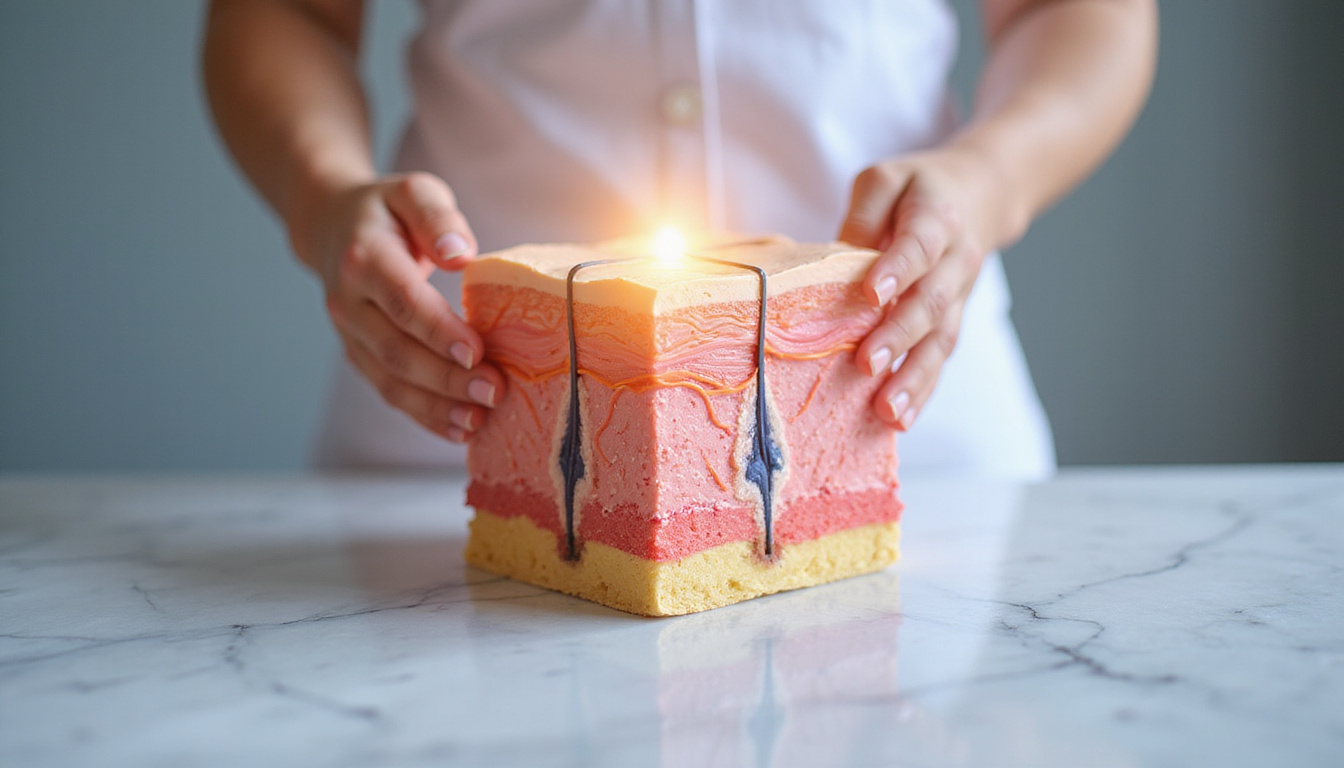
Skin Compatibility and Sensitivity Considerations
Facial gua sha is not automatically suitable for everyone, and the luxury category increasingly acknowledges nuance around skin compatibility.
Considerations often include:
- Reactive or redness-prone skin: Even with light pressure, increased circulation may accentuate visible redness temporarily. Some individuals may find the effect unwelcome.
- Compromised barrier or active irritation: On skin that is already sensitized (for example, after strong exfoliation or certain cosmetic procedures), massage may be uncomfortable.
- Blemish-prone areas: Working directly over active breakouts can be irritating; many practitioners recommend gliding around such areas instead.
Luxury tools themselves are largely inert; they do not typically introduce active substances. The main risk factors relate to pressure, frequency, and slip products. Well-constructed tools with smooth edges and even surfaces can make it easier to use gentle, controlled pressure—a subtle but meaningful dimension of “quality” for those with sensitivities.
Brand Transparency, Claims, and Consumer Trust
In the luxury skincare arena, transparency has become an informal standard of sophistication. For gua sha tools, that can include:
- Clear material identification: Distinguishing between natural jade, dyed or reconstituted stone, metal alloys, or composites
- Manufacturing context: Indicating whether tools are hand-finished, machine-cut, or produced via molds
- Realistic claims: Positioning gua sha as a ritual and massage tool rather than a corrective instrument for deep lines, sagging, or complex skin concerns
Consumers might consider asking:
- Is the material described in precise, verifiable terms rather than vague mineral language?
- Are aesthetic benefits framed as temporary and complementary to broader skincare habits?
- Is there guidance on pressure, frequency, and when to avoid use?
Luxury positioning without matching transparency can feel hollow. Conversely, a brand that frames its gua sha tool as part of a considered ritual—without overstating results—aligns more closely with the evolving expectations of informed skincare users.
When Luxury Gua Sha Aligns with Your Ritual—and When It May Not
Luxury does not necessarily equate to “better,” but it can mean more thoughtfully designed. Whether a luxury gua sha tool is worthwhile within a routine depends on expectations and values.
It tends to align best when someone:
- Enjoys tactile, sensorial rituals and sees skincare as a daily pause
- Appreciates well-crafted objects and prioritizes longevity and feel
- Understands that gua sha offers gentle, temporary aesthetic shifts and relaxation, not structural transformation
It may be less aligned when:
- The primary goal is addressing significant skin concerns that typically require ingredient-led routines or professional care
- Budget is better directed toward foundational skincare such as adequate sun protection or barrier-supportive formulas
- Daily time or interest in massage rituals is limited, making consistent use unlikely
In essence, a luxury tool can enhance an existing routine for those who value ritual and design, but it is rarely a substitute for the core pillars of skin health.
Practical Framework: Evaluating a Luxury Gua Sha Tool
When assessing a gua sha tool in the context of luxury skincare, it can help to mentally run through a few criteria:
Material
- Is the material clearly identified and consistent in appearance?
- Does it feel solid, smooth, and free from obvious defects?
Craft and comfort
- Are edges thoroughly polished, with no sharpness or roughness?
- Does the shape comfortably follow the contours of your face and neck?
Ritual and realism
- Are the claimed benefits described in balanced, realistic terms?
- Is there clear guidance on technique and gentle usage?
This kind of framework allows you to separate branding from tangible qualities and to decide whether a particular tool genuinely supports the way you want to care for your skin.
FAQ: Luxury Facial Gua Sha, Ritual, and Results
1. What makes a luxury gua sha tool different from a basic one?
Typically, the differences lie in material refinement, surface finish, ergonomic design, and overall craft rather than in fundamentally different skin results. A luxury tool is often smoother, better balanced, and more aesthetically considered, contributing to a more pleasant and consistent ritual.
2. Can a high-end facial gua sha tool significantly change my skin long term?
Gua sha is best understood as a supportive massage practice. Many people notice temporary improvements in puffiness and a feeling of relaxation. Long-term changes, if any, tend to relate more to overall skincare habits, lifestyle, and sun protection than to the tool’s luxury status.
3. Is investing in a premium gua sha worth it if I already have a skincare routine?
For those who value ritual, sensory pleasure, and beautifully made objects, a premium tool can enhance the experience of an existing routine. For others, prioritizing well-formulated skincare essentials may be more impactful. It depends on whether you see facial massage as a meaningful part of how you care for your skin.
A Considered Perspective on Luxury Gua Sha
Within luxury skincare, gua sha tools sit at the intersection of object design, sensory pleasure, and personal ritual rather than at the heart of transformative treatment. Their value lies primarily in how they encourage slower, more intentional interaction with the skin—through touch, temperature, and texture.
Evaluating a luxury gua sha tool with a clear lens means distinguishing between the tangible (material quality, comfort, craftsmanship) and the intangible (narrative, heritage, symbolism). When approached with realistic expectations, these tools can enrich a skincare routine aesthetically and experientially, even if their most enduring effects are less about visible change and more about how you feel engaging in the ritual itself.