What Defines Luxury Men’s Skincare?
Luxury men’s skincare sits at the intersection of grooming, self‑care, and status, but it is ultimately a formulation category rather than just a price bracket. When people talk about luxury men’s skincare, they are often referring to a blend of high-touch textures, sophisticated ingredient stories, and a particular vision of performance. Yet the label “luxury” is not regulated, and expectations can easily outpace what any topical product can reasonably deliver. Understanding how this category is built—its strengths and its limitations—helps you evaluate what you are actually paying for, beyond branding.
Defining Luxury in Skincare: More Than Packaging
Luxury in men’s skincare is usually defined by a cluster of characteristics rather than a single trait. These often include:
- Distinctive, weighty packaging and tactile design
- Complex, sensorial textures and scents
- A narrative around rare, high‑purity, or advanced ingredients
- A brand philosophy emphasizing craftsmanship and research
- A curated, often streamlined assortment rather than wide mass distribution
Unlike mass or standard premium skincare, luxury grooming lines typically frame themselves as “experience-driven” as much as results-focused. The jar, the way the cleanser emulsifies, the discretion of the fragrance, and even the act of application are treated as part of the value proposition.
However, none of these aspects inherently guarantee superior skin benefits. They signal positioning. The critical question is whether the underlying formula, testing standards, and long‑term comfort on the skin justify that positioning for your needs.
Ingredient Quality vs. Ingredient Storytelling
A defining promise of high-end men’s skincare is elevated ingredients: more stable forms of actives, higher grades of emollients, or bio‑engineered complexes. At its best, this can translate into:
- Thoughtful combinations of humectants, emollients, and occlusives for balanced hydration
- Use of well‑studied actives (for example, forms of vitamin C, niacinamide, peptides, or exfoliating acids) in deliberately calibrated concentrations
- Attention to texture-enhancing agents that make formulas spread evenly, absorb well, and layer without pilling
Yet there is a difference between ingredient quality and ingredient storytelling.
Many luxury formulations highlight rare botanicals, marine extracts, fermentation technologies, or proprietary complexes with evocative names. These can be intriguing, and some may have promising in‑house data, but independent, peer‑reviewed evidence is often limited, or the concentrations used are not disclosed in detail.
To assess the substance behind the story:
- Look at the full ingredient list, not only the highlighted actives. A well-rounded base—supportive humectants like glycerin, moisturizing lipids like ceramides, and soothing agents such as panthenol—often contributes more to daily skin comfort than the hero extract.
- Consider whether the formula relies heavily on marketing terms like “complex” and “elixir” without providing clear information on what those complexes contain.
- Notice the placement of star ingredients in the list. While position is not an exact indicator of concentration, actives appearing near the very end are usually present in smaller amounts.
Luxury skincare can absolutely offer elevated raw materials and more refined actives; it can also, in some cases, prioritize a compelling story over meaningful concentration.
Sensory Experience and Formulation Elegance
One of the clearest differentiators between luxury and mass skincare is formulation elegance. This encompasses how the product feels during and after application:
- Does a cleanser rinse cleanly without leaving tightness or residue?
- Does a moisturizer melt in without greasiness or visible film?
- Does a serum glide smoothly, layer under sunscreen, and sit well under facial hair?
Luxury men’s lines often invest heavily in this sensory dimension. Emulsifier systems, texture modifiers, and non‑greasy emollients are chosen not only for function but also for refinement. This is particularly relevant to men who may dislike heavy or overtly shiny finishes, especially if they have combination or oilier skin, or wear facial hair that traps product.
Fragrance is another pivotal element. Many luxury men’s skincare products use nuanced, “fine fragrance” style scent profiles—wooded, citrus, or musky—designed to feel discreet but sophisticated. Others opt for low- or no‑fragrance to align with a more clinical aesthetic.
These sensory choices are subjective strengths: they can make a routine feel more like a ritual and increase consistency of use, which indirectly supports outcomes. However, they can also introduce potential drawbacks:
- Fragrance, whether natural or synthetic, can raise the risk of irritation for some skin types.
- Very lightweight textures, while elegant, may not provide sufficient occlusion for those with dry or compromised skin barriers.
Elegance is therefore a genuine value in luxury skincare, but it should be weighed against how your skin actually reacts and what it practically needs.
Skin Compatibility and Sensitivity Considerations
Men’s skin is not universally thicker, oilier, or less reactive, even if those generalizations often appear in marketing. Shaving, in particular, can increase sensitivity, disrupt the barrier, and create micro‑irritations. Luxury formulations sometimes take this into account by including soothing, barrier‑supportive ingredients and designing textures that sit comfortably on recently shaved skin.
Areas where luxury skincare may offer advantages for sensitive or combination skin include:
- More sophisticated emulsions that deliver hydration without clogging pores as easily as some heavier mass-market creams
- Focused use of barrier-replenishing components like ceramides, cholesterol, and fatty acids, which can be beneficial after shaving or exfoliation
- Tailored textures for beards and stubble, such as non‑tacky serums and balms that do not clump in hair
However, potential pitfalls exist:
- Strong or layered fragrances can be problematic for reactive skin.
- Potent actives, such as exfoliating acids or retinoid derivatives, may be incorporated in ways that feel gentle but still overwhelm a barrier that is already compromised.
- Men unfamiliar with active ingredients may overuse products if the sensorial profile feels mild, leading to dryness or discomfort.
Because men’s skin concerns increasingly mirror those in broader skincare—dullness, uneven tone, fine lines, visible pores—the same general principles apply: patch testing, gradual introduction of active products, and attention to your own tolerance can be more impactful than the label “luxury” itself.
Brand Transparency and Consumer Trust
Luxury skincare often trades on heritage, aesthetic codes, and aspirational narratives, but transparency is an increasingly important differentiator in this category. Many consumers now look beyond the visual identity to ask:
- How clearly does the brand explain what each product is designed to do?
- Are key ingredients, including concentrations where relevant, disclosed in a way that is understandable to non‑experts?
- Does the brand communicate how products were tested (for example, consumer perception studies or instrumental measurements) without overpromising?
- Is there information about sourcing and sustainability practices?
The skincare market is lightly regulated in many regions; in the United States, for example, cosmetics do not require premarket approval as long as they are used as directed and comply with safety regulations (source: U.S. FDA). This means brands in every price tier have broad latitude in how they present efficacy narratives.
Luxury positioning can sometimes obscure the need for scrutiny. High production values and refined language may create an assumption of advanced science, even when details are thin. Conversely, some luxury houses are increasingly investing in transparent communication, publishing more information about testing methodologies, ingredient sourcing, and formulation rationale.
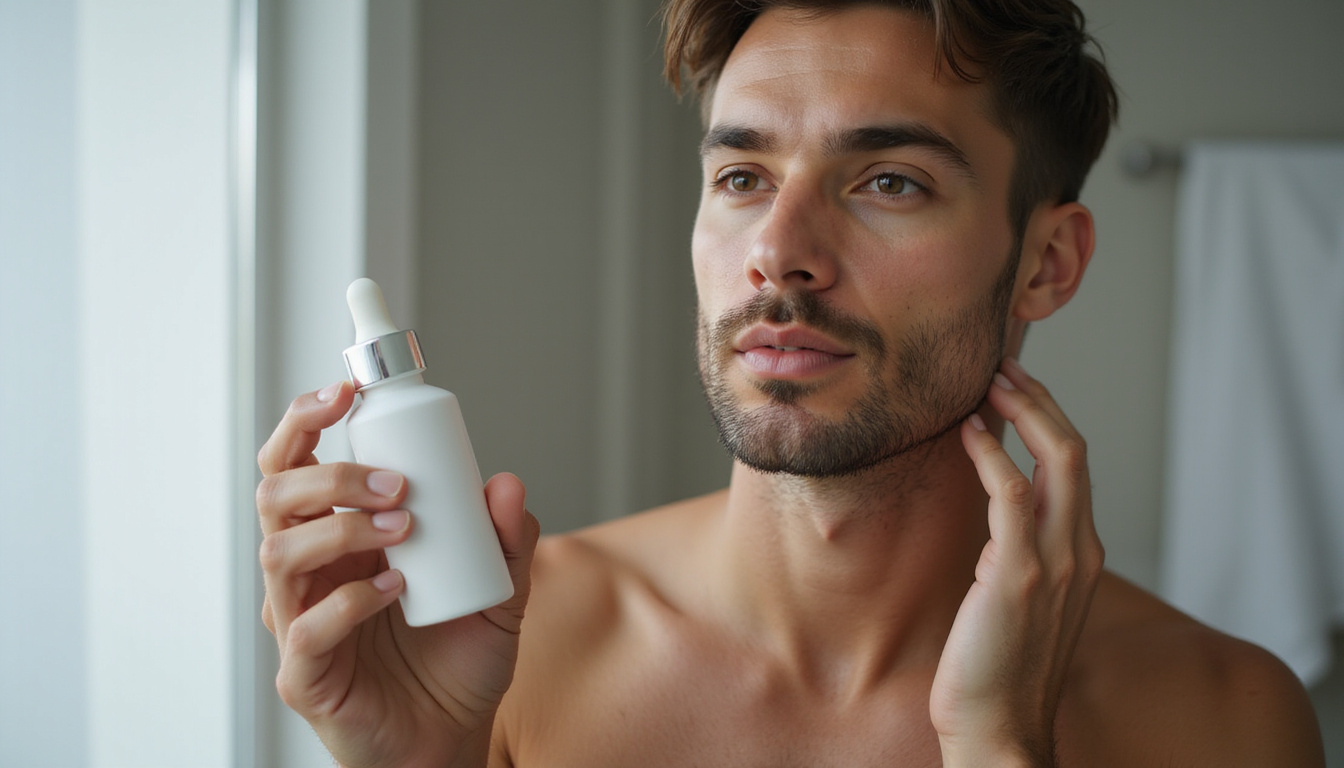
From a consumer standpoint, trust is best grounded in:
- Consistent, realistic language about what a product may help with
- Clear explanations of routines (especially how products might interact with shaving or other grooming steps)
- Openness to questions, with accessible educational resources rather than only aspirational imagery
When Luxury Skincare Aligns with Your Needs—and When It Doesn’t
Whether luxury men’s skincare is a logical choice depends less on branding and more on how each product intersects with your priorities, skin behavior, and routine style.
Situations where luxury may align well:
- You value sensorial refinement. If feel, finish, and subtle fragrance significantly influence whether you maintain a routine, the elevated textures common in this category may support more consistent use.
- You prefer minimal steps. Some high-end lines aim to create multi-functional formulas intended to simplify routines (for instance, combining hydrating, soothing, and cosmetic finish benefits). If you resist long regimens, a smaller number of carefully chosen, elegant products can be appealing.
- You are particular about aesthetics and packaging. For some, a visually cohesive, well‑designed bathroom shelf is part of the pleasure and ritual of grooming. In that case, packaging and design are not frivolous; they are part of the experience you are intentionally paying for.
Situations where luxury may not add meaningful value:
- Your focus is specific, practical concerns. For issues such as post‑shave dryness, occasional rough texture, or basic congestion, many well‑formulated non‑luxury products can address these effectively. Paying for heavy branding may not significantly improve outcomes.
- Your skin is highly reactive. Fragrance-forward, complex formulas can increase the challenge of pinpointing what triggers irritation. Some find more straightforward, less adorned formulations easier to tolerate.
- You prefer evidence-rich simplicity. If you prioritize transparent ingredient lists, clear percentages of well‑researched actives, and minimal marketing story, certain dermocosmetic or clinical-style ranges—whether luxury or not—may map better to your expectations.
Ultimately, luxury is a lens, not an automatic upgrade. The same foundational advice—know your skin tendencies, introduce actives slowly, observe how your skin feels over time—applies across categories.
Evaluating Luxury Men’s Skincare More Critically
To navigate the category thoughtfully, it can help to approach each product with a structured set of questions. For example:
Formulation purpose
- What role does this product play in a routine (cleanser, hydrator, targeted treatment, finishing product)?
- Is it solving a problem you actually have, or is it primarily an indulgent addition?
Ingredients and claims
- Are the highlighted ingredients supported by broader cosmetic science, or mainly by brand narratives?
- Does the description avoid exaggeration and clearly state realistic benefits?
Texture and comfort
- Does the finish suit your skin type and grooming habits (especially shaving and facial hair)?
- Does it integrate easily with sunscreen, which remains a cornerstone of any daily routine?
Long‑term use
- Can you imagine using this consistently, not just occasionally?
- After several weeks, does your skin feel more comfortable, balanced, or well‑hydrated, without persistent redness or tightness?
Seeing luxury through this pragmatic lens allows you to appreciate the craft and sensorial pleasure without assuming superiority by default.
FAQ: Understanding the Luxury Men’s Skincare Category
Q1: Is there a real difference between luxury grooming products and regular men’s skincare?
There can be differences in texture, fragrance design, packaging, and sometimes in the choice or purity of ingredients. Luxury grooming products often prioritize sensorial refinement and aesthetic presentation. However, effectiveness varies by formula, not by category, and many non‑luxury products can perform comparably for routine concerns.
Q2: Does high‑end men’s skincare always use better ingredients?
Not always. Some high‑end ranges invest in advanced actives and sophisticated delivery systems; others focus more on branding and storytelling. Ingredient lists, brand transparency, and your own skin’s response provide better guidance than the “high‑end” label alone.
Q3: How should men decide if a luxury skincare line is worth it for them?
It comes down to your priorities: if you value elegant textures, discreet fragrance, and design as part of your daily ritual, luxury may feel worthwhile. If your main goal is straightforward results with minimal emphasis on experience, it may be more useful to focus on formulation details, ingredient evidence, and skin compatibility rather than on category positioning.
A Measured Perspective on Luxury Men’s Skincare
Luxury men’s skincare is best understood as an aesthetic and formulation philosophy rather than a guarantee of superior performance. It can offer genuine pleasures—elevated textures, thoughtful design, and sometimes carefully curated ingredient blends that integrate smoothly into a grooming routine. It can also, at times, lean more heavily on image and narrative than on transparent, evidence‑based communication.
Navigating the category with clear expectations helps you separate personal enjoyment from implied promises. By examining ingredients, listening to your skin’s feedback, and viewing “luxury” as one factor among many rather than a verdict on quality, you can decide where this segment fits—if at all—within your own approach to skincare.