Luxury Microcurrent: A Category Under the Microscope
In the last decade, luxury microcurrent has moved from professional treatment rooms into curated bathroom cabinets, emerging as a distinct corner of high-end skincare. Where microcurrent was once a niche technology largely confined to clinics and spas, it is now presented as a refined, design-driven at‑home ritual. Yet the “luxury” label can obscure as much as it illuminates. Understanding what truly defines this category—beyond sleek devices and elevated marketing—helps consumers evaluate what they are paying for, what they can reasonably expect, and how to use such tools thoughtfully in a home setting.
What Microcurrent Is (and What Luxury Changes)
At its core, microcurrent technology uses very low levels of electrical current delivered through the skin’s surface. In professional settings, trained practitioners typically adjust parameters such as current strength, waveform, and treatment time according to skin type and area. In the luxury space, the narrative expands: devices are framed not only as tools but as objects of design, often integrated into a broader skincare ritual.
What tends to distinguish luxury microcurrent as a category is less the basic physics of current flow and more the surrounding ecosystem:
- Industrial design and tactile feel
- App connectivity and guided modes
- Claims of proprietary waveforms or “signature” currents
- Integration with complementary topical formulas
- Brand storytelling around research, heritage, or innovation
For the consumer, the key question is not whether a device is “luxury” in aesthetic terms, but how the engineering, safety features, and usability align with individual expectations and comfort with at‑home energy-based tools.
Ingredient Quality vs. Technology Storytelling
Unlike creams or serums, at‑home microcurrent devices are technology-first objects. However, luxury brands frequently pair them with conductor gels, prep cleansers, or finishing skincare to create a complete system. This is where traditional luxury skincare principles around ingredients intersect with device technology.
In this subcategory, two parallel narratives often coexist:
Technology storytelling
Luxury-positioned brands may emphasize patented waveforms, “professional-grade” inspiration, or unique current patterns. While such features can be meaningful, much of this information is proprietary and not always presented in a way the average user can evaluate. Technical details—such as current range in microamps, modulation type, and coverage uniformity—are seldom fully disclosed.Ingredient positioning in conductive formulas
Conductive gels and serums are framed as both functional (enabling current flow) and sensorial (texture, absorption) with add-on skincare benefits such as hydration or comfort. Here, ingredient quality can genuinely matter: the presence of humectants, pH consideration, and absence of known irritants can influence tolerability for sensitive users.
A useful way to navigate this is to differentiate between:
- Functional claims: “Facilitates current delivery,” “maintains slip,” “minimizes friction.”
- Cosmetic claims: “Leaves skin soft,” “supports barrier comfort,” “boosts glow in the routine context.”
Treat both types of statements as indications of positioning, not as proof of superior results. Where ingredient lists are available, consumers can assess whether a formula appears well-constructed—balanced humectants and emollients, thoughtful use of fragrance or none, and avoidance of personally problematic ingredients—rather than relying solely on words like “advanced” or “cutting-edge.”
Sensory Experience and Formulation Elegance
Luxury skincare has long emphasized sensorial pleasure as part of perceived value: textures that transform, subtle fragrances, and packaging designed to be displayed. Luxury microcurrent follows suit, extending this philosophy to both device and formula.
Key aspects typically emphasized include:
- Ergonomics and balance: Devices designed to fit the hand comfortably, with intuitive controls and precision around facial contours.
- Surface finish and tactile feel: Smooth metals, weighty bodies, and refined haptics that convey a sense of stability and care.
- Sound and feedback: Soft chimes, subtle vibrations, or visual cues that signal timing and contact quality.
- Textural refinement of gels: Non‑tacky slip, clean rinse-off, and compatibility with follow-up skincare without pilling.
From an editorial perspective, these elements matter because they influence consistency of use. If a device feels awkward or a gel leaves residue, users may abandon the practice quickly, regardless of potential benefits. Conversely, a comfortable, elegant experience may encourage adherence.
However, sensorial elegance does not automatically equate to superior outcomes. A minimalist, fragrance-free conductive gel can be just as functional as a more elaborate formula, especially for those with sensitivity. The value proposition of luxury here lies in the harmonizing of experience with function—something that is meaningful for some users and less critical for others.
At‑Home Practice: Routine Design and Realistic Expectations
At-home microcurrent, luxury or otherwise, tends to be framed as a ritual rather than a one-off event. Devices are often accompanied by protocol suggestions or app-guided routines that structure frequency and duration.
When evaluating how this fits into an at‑home regime, consider:
Time commitment
Many regimens suggest consistent use over weeks or months. The more complex or time-intensive the protocol, the more important it is that the device be intuitive and seamless in daily life.Skin preparation
Typically, these tools are used on clean, dry skin with a conductive medium. Any residual oil, heavy SPF, or thick occlusive film can interfere with glide and potentially with even current distribution.Integration with other actives
Users often already employ exfoliating acids, retinoids, or other potent ingredients. While microcurrent does not inherently duplicate these mechanisms, stacking multiple stimuli in a single routine can feel aggressive for some skin. Many choose to pair microcurrent with gentler, hydrating support instead of using it immediately after stronger topicals.Gradual introduction
Self-directed experimentation, such as starting with shorter sessions or less frequent use, can offer a more measured way to understand personal tolerance and preference.
Consumer-facing resources, such as professional association summaries on at-home device safety (for example, the American Academy of Dermatology provides general guidance on at-home skincare devices (source)), can help frame reasonable expectations and highlight when consultation is advisable, especially for those with underlying skin concerns.
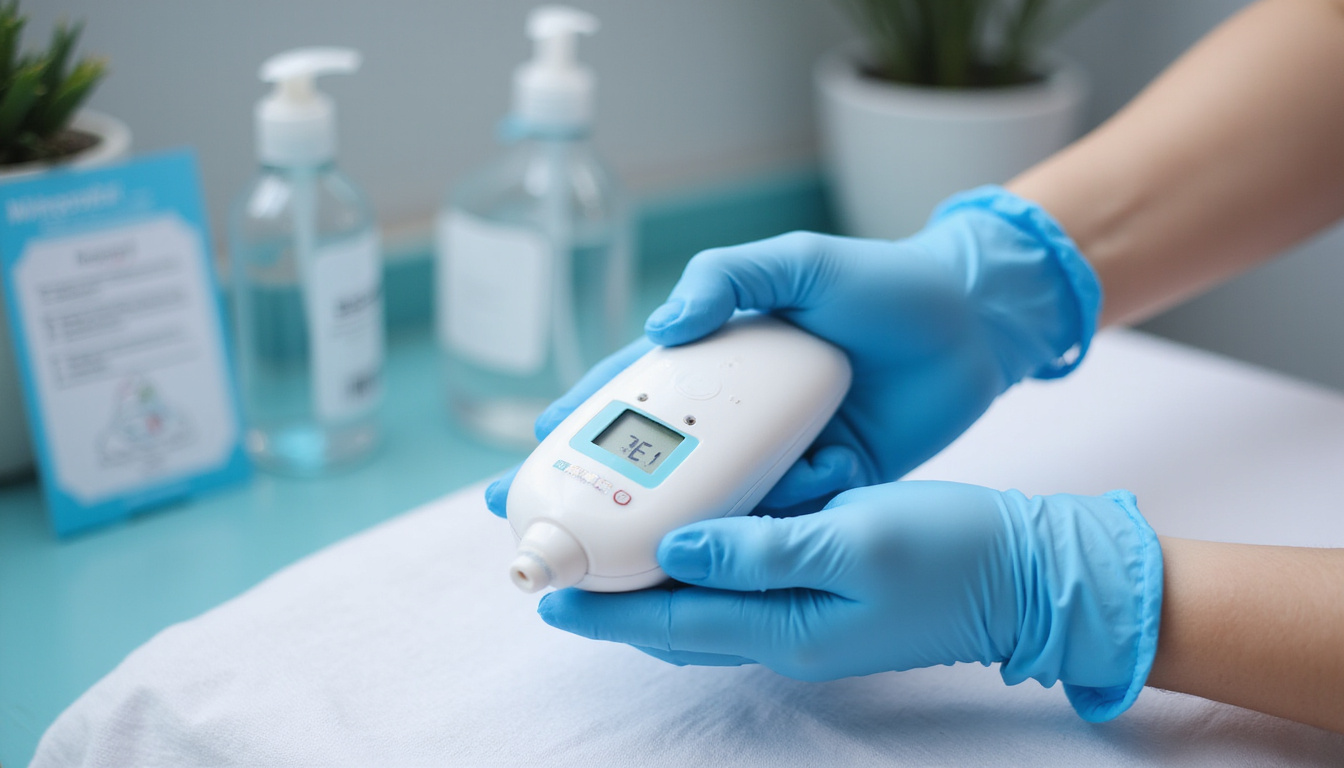
Skin Compatibility and Sensitivity Considerations
Energy-based tools, even at low intensity, can feel different from traditional skincare. Luxury positioning may place emphasis on comfort and gentleness, but individual experiences still vary.
Considerations that often matter in practice:
Perceived sensation: Some users describe microcurrent as a mild tingling or metallic taste when used near the mouth, while others feel almost nothing. Luxury devices sometimes include adaptive intensity or smart-contact features to maintain comfort, but these do not eliminate variability in personal response.
Combination with sensitizing routines: Skin that is already fragile from procedures, high-concentration actives, or environmental stress may react differently. Waiting between such stressors and microcurrent sessions can be a more conservative approach.
Materials and contact points: The metals used in contact spheres or paddles, as well as the preservatives and potential fragrance in conductive gels, can be relevant for those with known sensitivities or allergies.
From a category standpoint, luxury microcurrent often prioritizes smoothing of feel and reduction of perceived harshness, but this should not be interpreted as a blanket guarantee of compatibility for every user or skin condition.
Brand Transparency, Standards, and Consumer Trust
Luxury skincare brands increasingly recognize that educated consumers look beyond aesthetics. Within the luxury microcurrent niche, several dimensions of transparency are particularly meaningful:
Technical disclosure
Providing clear ranges for current intensity, explaining how the device modulates energy, and outlining built-in safety cutoffs can help consumers understand what is being applied to their skin.Testing methodology
While many brands refer to internal testing, the way results are presented varies widely. Distinguishing between user perception surveys (“X% felt their skin looked…”) and more structured performance evaluations helps set realistic expectations.Material and formulation details
Listing full ingredient disclosures for conductive gels and noting the presence or absence of fragrance, drying alcohols, or certain preservatives allows users to cross-check with their own sensitivities.Usage guidance and limitations
Clear contraindication lists (for example, for users with certain implanted devices) and straightforward instructions on frequency and technique contribute to responsible at‑home use.
In the context of luxury, trust often hinges on whether the brand’s communication feels measured and educational rather than overpromising.
When Luxury Microcurrent Aligns—and When It Doesn’t
The value of a luxury device or system is highly individual. Some users prioritize performance above all, while others place equal weight on ritual and design. A simple framework for evaluating fit can be helpful.
Situations where a luxury-oriented approach may align:
- You place high value on tactile refinement, ergonomic design, and aesthetic cohesion in your routine.
- You prefer guided use—such as app routines or structured programs—to self-directed experimentation.
- You are building a ritual where consistency and enjoyment are as important as incremental cosmetic changes.
- You appreciate traceable ingredient lists in conductive gels and are attentive to the overall sensory experience.
Situations where a luxury device may be less aligned:
- You are primarily outcome-focused and indifferent to design, packaging, or guided features.
- You prefer minimalism and are more comfortable with fewer objects and steps in your regimen.
- You have very reactive skin and prioritize ultra-simple, fragrance-free, basic conductive mediums above all else.
- You are uncertain about the time commitment and wish to first assess whether microcurrent practice suits you at all.
In short, the “luxury” designation does not inherently denote superior effects; it denotes a specific balance of engineering, aesthetics, narrative, and support. Whether that balance represents value depends on individual priorities.
How to Evaluate Luxury Microcurrent Claims and Design
A concise checklist can help structure your own assessment:
- Clarity of technical information: Are current ranges, usage guidelines, and limitations clearly explained?
- Safety-conscious messaging: Does the brand describe who should not use the device, not just who might enjoy it?
- Ingredient transparency: Are full INCI lists for gels and complementary products accessible and detailed?
- User support and education: Are there thorough tutorials, diagrams, or videos to promote correct technique?
- Ritual compatibility: Does the proposed routine align realistically with your time, lifestyle, and other skincare practices?
Using these lenses, consumers can move from reacting to visual appeal toward making more grounded judgments about how a particular microcurrent system might or might not serve their needs.
FAQ: Luxury Microcurrent and At‑Home Use
Q1: Is a high-end microcurrent device inherently more effective than a basic one?
Not necessarily. A higher-end device may offer more refined ergonomics, additional modes, or a more polished user experience, but those features do not automatically translate into superior cosmetic outcomes for every user. Effectiveness depends on factors such as consistent use, correct technique, and individual skin characteristics, not only on whether the device is marketed as high-luxury microcurrent technology.
Q2: Can luxury microcurrent fully replace professional in‑clinic treatments?
At‑home tools are usually designed with more conservative settings and standardized protocols for safety and ease of use. Professional treatments often allow customized adjustments and are overseen by trained practitioners. Some people use at‑home microcurrent as a way to complement, extend, or space out professional services rather than as a complete replacement.
Q3: How should I integrate an at‑home microcurrent routine into an existing luxury skincare regimen?
Many users position microcurrent on clean, dry skin, followed by their usual serums and creams. If your current routine includes multiple strong actives, you may prefer to schedule microcurrent sessions on gentler skincare days, emphasizing hydration and barrier support. Observing how your skin responds and adjusting frequency, duration, or product layering accordingly is often a more measured approach than making dramatic changes all at once.
A More Informed View of Luxury Microcurrent
As with the broader luxury skincare universe, luxury microcurrent is built as much on philosophy and experience as on the underlying technology. The devices and conductive formulas occupy a space where design, narrative, engineering, and sensorial pleasure intersect.
For consumers, the most constructive stance is neither uncritical enthusiasm nor automatic skepticism. Instead, it is to disentangle appearance from function: to recognize the genuine advantages of refined ergonomics, thoughtful formulations, and clear education, while also understanding that no category label can promise universal results.
Approached this way, luxury microcurrent becomes less about chasing an abstract ideal and more about curating tools and rituals that feel credible, compatible, and meaningful within your own skincare practice.