Evaluating a Luxury Moisturizer: What “Luxury” Really Means
When consumers encounter a luxury moisturizer, they are often responding to more than just a cream in a jar. The term “luxury” signals a blend of elevated formulation, sophisticated texture, and a curated sensorial experience, wrapped in a strong brand narrative. Yet the prestige of the category can obscure what actually matters for skin health, comfort, and long-term satisfaction. Understanding how to evaluate luxury skincare on its own terms—beyond imagery and storytelling—allows you to align expectations with what a product is realistically designed to deliver.
What Defines a Luxury Moisturizer as a Category
At its most neutral, “luxury” in skincare refers to a combination of factors that typically differentiates these products from mass and mid-tier options:
- Formulation philosophy: Emphasis on complex emulsions, multiple active and supporting ingredients, and a refined sensorial profile
- Aesthetic and tactile design: Packaging, texture, fragrance, and application experience are prioritized alongside function
- Brand narrative: Strong storytelling around sourcing, innovation, craftsmanship, or heritage
- Perceived exclusivity: More limited distribution or a cultivated image of rarity and selectiveness
While quality can be high in this category, “luxury” is not a regulated term. Two moisturizers marketed as luxury may differ significantly in ingredient selection, concentration, and performance. Evaluating them requires looking past positioning to the structural aspects of the formula: how it hydrates, supports the skin barrier, fits your skin type, and integrates into your overall routine.
Formulation Fundamentals: Hydration, Barrier Support, and Stability
Any moisturizer—luxury or otherwise—serves a few core purposes: attracting water to the skin, preventing its loss, and supporting barrier function. High-end products often pursue these goals through more layered formulation strategies.
Key functional components to look for include:
- Humectants: Such as glycerin, hyaluronic acid of various molecular weights, polyglutamic acid, or sorbitol. In luxury skincare, humectant systems may be multi-component, designed to bind water at different levels of the stratum corneum.
- Emollients: Esters, fatty alcohols, plant oils, and butters that smooth the skin surface and improve flexibility. Formulators may use elegant, fast-absorbing emollients that leave a refined finish rather than a heavy film.
- Occlusives: Ingredients like certain waxes or hydrogenated oils that help limit transepidermal water loss. In luxury categories, occlusion is often subtly balanced to avoid overt greasiness.
- Supportive lipids: Ceramides, cholesterol, and fatty acids can help reinforce the skin’s barrier. Some high-end moisturizers emphasize biomimetic lipid ratios designed to resemble the skin’s own structure (source: Journal of Drugs in Dermatology).
In the luxury segment, formulators may also use encapsulation or delivery systems, aiming to stabilize sensitive ingredients or modulate their release. While these technologies can be sophisticated, their true value depends on how well they are matched to specific skin concerns and conditions, rather than the complexity of the system itself.
Ingredient Quality vs. Ingredient Storytelling
Luxury skincare frequently emphasizes the rarity, origin, or exclusivity of certain ingredients—marine extracts, alpine botanicals, niche fermentations, or proprietary complexes. These stories can be compelling, but they are not inherently synonymous with superior performance.
To evaluate ingredient quality, it is useful to distinguish between:
Functionally pivotal ingredients
These have a clear, well-understood role in moisturizing formulations—humectants, occlusives, barrier lipids, soothing agents. Their presence, positioning in the ingredient list, and pairing with compatible components often provide better clues about performance than a single hero extract.Supporting and sensorial ingredients
These influence texture, spread, glow, and comfort: silicones, lightweight esters, certain polymers, and finely tuned thickening systems. Luxury moisturizers often excel at this layer, resulting in formulations that feel seamlessly integrated with the skin.Story-driven ingredients
These are often highlighted in marketing for their exotic origin or proprietary naming. They may be beneficial, neutral, or occasionally sensitizing depending on skin type, but their mention alone does not indicate superiority. The broader context of the formula remains more informative than the uniqueness of a single component.
High ingredient quality in the luxury category tends to mean greater attention to purity, stability, compatibility, and sensory profile, rather than simply the presence of rare or expensive-sounding materials. Evaluating an INCI list with an eye toward balanced systems rather than singular “star ingredients” can provide a more grounded view.
Sensory Experience and Formulation Elegance
One of the most distinctive aspects of a luxury moisturizer is the emphasis on texture and the overall ritual of use. The sensorial profile is carefully engineered and can be a legitimate differentiator, especially for consumers who value the skincare experience as much as the outcome.
Key dimensions of “formulation elegance” often include:
- Texture transformation: Gels that turn to water, balms that melt to oils, creams that feel cushiony but non-greasy. These transitions are achieved through emulsifier systems, specific esters, and rheology modifiers chosen to create a particular tactile journey.
- Spreadability and playtime: The way a moisturizer glides, absorbs, and layers with other products is often more refined, which can be especially important in complex routines.
- Finish on the skin: From matte-velvety to luminous-dewy, luxury formulations often aim for a specific aesthetic that complements makeup or bare skin.
- Fragrance and “feel” of wellness: Many luxury moisturizers incorporate fragrance or botanical extracts to enhance the ritual. For fragrance-sensitive or reactive skin, however, this can be a point of caution rather than benefit.
While these attributes do not directly replace fundamental skin benefits, they can influence adherence: a moisturizer that feels exceptionally pleasant is more likely to be used consistently, which indirectly supports better outcomes.
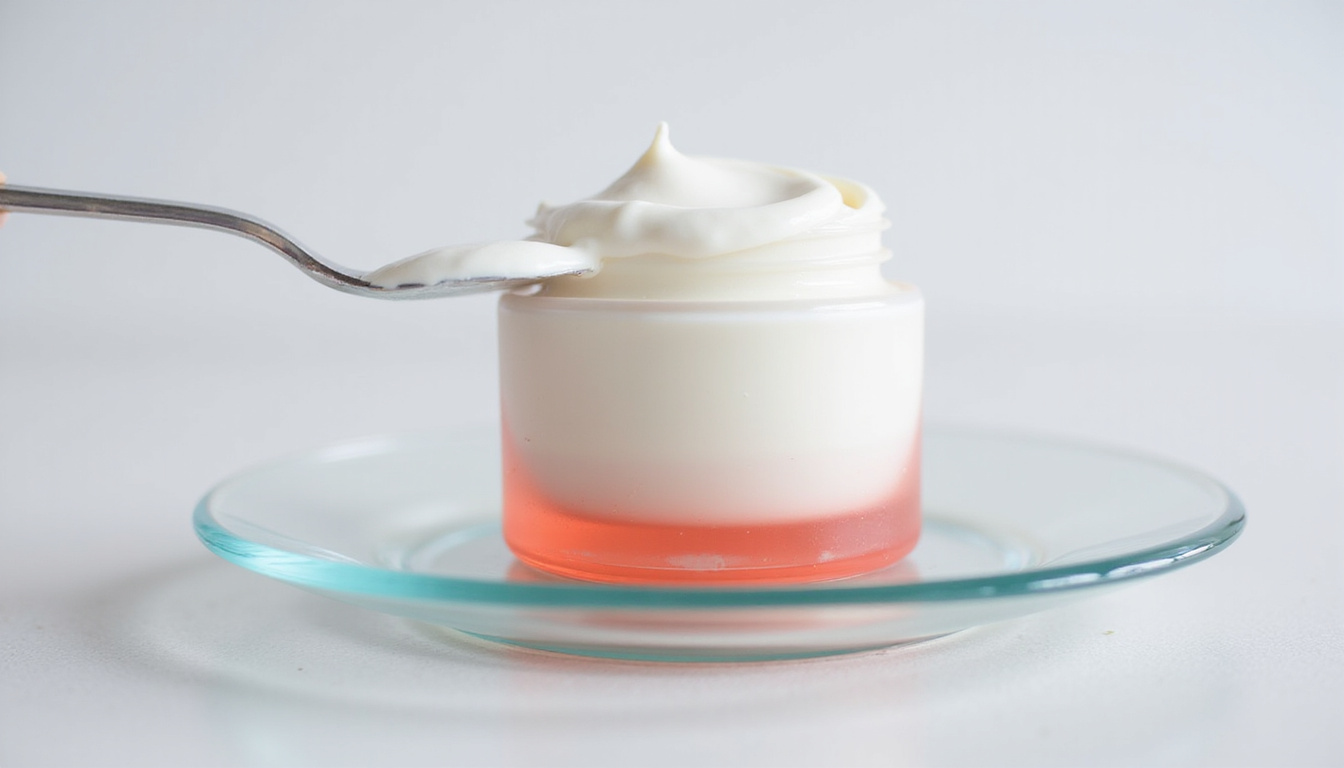
Skin Compatibility and Sensitivity Considerations
Luxury positioning does not inherently mean gentler or safer for sensitive skin. In some cases, the emphasis on sensory pleasure—particularly fragrance, essential oils, or complex botanical blends—may increase the potential for reactivity in those with delicate or compromised skin barriers.
When assessing compatibility:
- Examine fragrance content: Look for “parfum,” “fragrance,” or multiple essential oils if your skin is reactive. Luxury formulas may contain carefully curated scent accords, but sensitivity varies widely from person to person.
- Note potential irritants in context: Alcohols, certain acids, or strong actives may be used to create a particular finish or target effect. In thoughtfully designed formulas, these are often balanced with soothing or barrier-supportive components, but individual tolerance still matters.
- Consider your broader routine: A sophisticated moisturizer layered on top of multiple active serums or exfoliants may be more likely to interact with pre-sensitized skin, especially if the moisturizer also includes actives.
Some luxury brands develop multiple textures or “intensities” for different skin types (light fluid vs. rich cream), acknowledging that comfort and compatibility can vary widely. Evaluating where your skin sits in terms of oiliness, dehydration, and sensitivity is more helpful than relying on generic “for all skin types” labels.
Brand Transparency and Consumer Trust
In a category driven by heritage and storytelling, transparency becomes a key marker of seriousness. Consumers evaluating a luxury moisturizer can look for several signs that a brand treats formulation as more than a backdrop for its narrative:
- Accessible ingredient lists: Clear INCI listings on primary packaging or easily available online.
- Coherent explanations of function: Descriptions that connect highlighted ingredients to specific, plausible roles in hydration, barrier support, or comfort—without overstated claims.
- Reasoned performance language: Phrases that acknowledge variability in results, rather than absolute promises.
- Context for testing: While many brands reference in-house evaluations or consumer perception studies, the most grounded messaging will describe these in measured terms, not as universal proof.
True transparency in the luxury segment does not necessarily mean revealing proprietary details but does imply a willingness to explain how the moisturizer is intended to perform and for whom it is best suited.
Practical Criteria for Evaluating a Luxury Moisturizer
For consumers navigating a crowded prestige landscape, a structured lens can make comparisons more rational and less emotionally driven. Consider the following checklist when assessing a formula:
1. Formulation structure
- Does it combine humectants, emollients, and occlusives in a balanced way?
- Are barrier-supportive lipids present if you have dryness or sensitivity?
2. Texture and finish
- Does the texture suit your skin type (lighter for oilier, richer for drier, with room for nuance)?
- Does the finish align with how you like your skin to look under makeup or bare?
3. Sensitivity profile
- Are fragrance and potential irritants acceptable for your skin’s history and tolerance?
- Does your current routine already include multiple actives that might clash or feel too intense?
4. Brand communication
- Does the brand describe what the moisturizer is realistically intended to do?
- Are there clear indications of who the formula is best suited for?
5. Personal expectations
- Are you seeking primarily comfort and hydration, or also a strong sensorial experience?
- Are your expectations of “transformation” tied to what a moisturizer can reasonably achieve, versus what would require broader routine changes or lifestyle factors?
This framework shifts the focus from image to structure: how the product is built, how it feels, and how it fits the realities of your skin.
When Luxury Skincare Aligns — and When It Doesn’t
Luxury moisturizers can align particularly well with certain consumer priorities:
- Those who value intricate textures and a highly polished sensorial experience
- Individuals seeking cohesive routines where products layer smoothly and comfortably
- Consumers interested in a more crafted, artisanal approach to formulation aesthetics
However, there are also situations where luxury positioning may not correlate with better outcomes:
- If your primary need is straightforward barrier repair, a simpler, more utilitarian formula may perform comparably
- If your skin is extremely sensitive to fragrance or complex botanical blends, the sensory dimension might be more problematic than pleasurable
- If expectations center on dramatic visible change from a moisturizer alone, the role of complementary products (sunscreens, targeted treatments, lifestyle) may be more critical than the prestige level of the cream
Understanding these boundaries can prevent disappointment and encourage a more nuanced appreciation of what luxury moisturizers are designed to provide: not instant transformation, but an elevated, often highly pleasant approach to everyday skin maintenance.
FAQ: Luxury Moisturizers and Related Questions
Q1: Is a luxury face cream always better than a simpler formula?
Not necessarily. A luxury face cream may offer a more refined texture, layered ingredient systems, and a sophisticated sensory experience. Whether it is “better” depends on your skin’s needs, tolerance, and how much you value formulation elegance compared with straightforward function.
Q2: How can I tell if a high-end hydrating cream is actually suitable for my skin type?
Look at the balance of humectants, emollients, and occlusives, as well as the presence of fragrance or potential irritants. For oilier skin, lighter gel-creams or emulsions with non-greasy finishes may feel more comfortable. For drier skin, richer lipid content and occlusive elements can be more supportive, as long as your skin tolerates the additional complexity.
Q3: What distinguishes a premium moisturizer from a truly luxury formula?
While the line is not strictly defined, premium moisturizers often prioritize effective ingredients and reliable performance, with some attention to aesthetics. A luxury formula typically adds another layer of focus on sensory design, narrative, and intricate texture work. The difference is less about a formal category and more about how much weight is placed on the experience surrounding the moisturizer, not just its basic function.
A Measured Perspective on Luxury Skincare
Luxury moisturizers sit at the intersection of chemistry, craftsmanship, and narrative. They can embody meticulous formulation and a uniquely pleasurable ritual, but they also exist within a marketing-driven space where symbolism and aspiration are powerful influences. Evaluating them thoughtfully means recognizing both truths: appreciating the genuine artistry that can go into a sophisticated cream, while also staying grounded in what the skin actually needs and can realistically reflect.
By focusing on formulation structure, texture, compatibility, and transparency—rather than solely on prestige cues—consumers can approach luxury skincare as informed participants, selecting products that align with their skin, their values, and the kind of experience they genuinely want from a moisturizer.