Luxury Night Cream: Beyond the Jar
In the world of high-end skincare, the term luxury night cream evokes images of rich textures, ornate packaging, and promises of waking up to transformed skin. Yet the category is more complex than a beautifully weighted jar on a nightstand. Luxury nighttime formulas sit at the intersection of cosmetic science, sensory design, and brand storytelling—and not every product that looks luxurious functions that way for the skin. Understanding what truly defines premium night care can help you evaluate formulas beyond surface impressions and align them with your own expectations and needs.
What Actually Defines Luxury Nighttime Skincare?
Luxury skincare is less a price tier and more a formulation and branding philosophy. Night creams framed as “luxury” generally share several characteristics, though execution varies widely between brands.
Common features include:
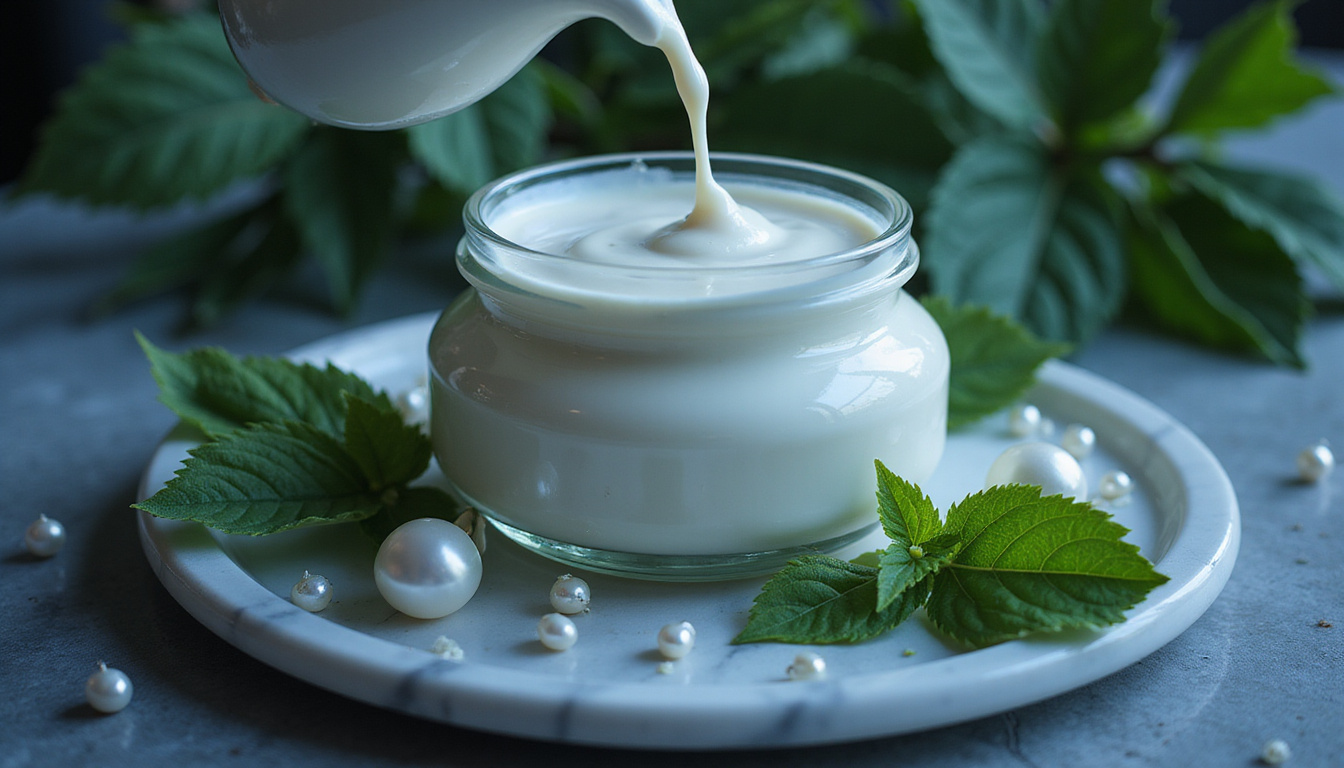
- Elevated textures and aesthetics – Silky, cushiony creams that spread seamlessly and often come in weighty, tactile packaging.
- Complex formulas – Multi-ingredient blends that may combine humectants, emollients, occlusives, antioxidants, and soothing agents in a single product.
- Narrative-driven actives – Spotlight ingredients—such as specific peptides, plant extracts, or ferment-derived components—often framed as the “heart” of the formula.
- Ritual-focused positioning – The cream is presented as a nightly ceremony rather than a simple step in a routine.
In contrast, mass and mid-tier night creams may be more utilitarian: simpler textures, fewer sensory refinements, and less elaborate storytelling, even when the underlying functional ingredients overlap. Luxury night cream formulas tend to prioritize not just what the product does, but also how it feels, smells, and is experienced over time.
Ingredient Quality vs. Ingredient Storytelling
At the core of any night cream is its blend of ingredients. In the luxury category, the conversation often centers on “rare” botanicals, proprietary complexes, or cutting-edge molecules. Distinguishing between meaningful ingredient decisions and purely narrative flourishes can be challenging.
1. Base structure vs. hero ingredients
Most night creams—luxury or otherwise—rely on a similar backbone:
- Humectants (e.g., glycerin, various glycols, sugar derivatives) to attract water
- Emollients (various oils, esters, and butters) to soften and smooth
- Occlusives (e.g., certain silicones, waxes, or petrolatum alternatives) to help limit water loss
Luxury formulas may use more refined or sensorially elegant versions of these ingredients, but the basic architecture is recognizable. The “hero” ingredients then sit within this base: peptides, antioxidants, fermented extracts, or lipids positioned as unique to the brand.
Some of these specialized components have emerging or established cosmetic data supporting their use, often in terms of hydration, surface texture, or visual radiance (source: National Center for Biotechnology Information). Others may be more about differentiation and storytelling than a clearly defined, measurable effect on the skin.
2. Purity, sourcing, and processing
“Quality” in luxury skincare is frequently described through:
- Sourcing narratives – Sea-derived actives, alpine botanicals, or proprietary garden-grown ingredients
- Processing methods – Cold-pressing, fermentation, or encapsulation technologies
- Standardization claims – References to consistent levels of certain compounds in plant extracts
While these factors can influence the stability and consistency of an ingredient, they do not automatically translate to superior performance for every skin type. A carefully processed botanical may still be irritating to some, while a more conventional ingredient can be exceptionally well tolerated.
3. Concentration and supporting matrix
Luxury night creams sometimes highlight high concentrations of specific actives, but the surrounding formulation matters. The supporting ingredients—stabilizers, pH adjusters, film-formers, and soothing agents—help determine whether an active remains stable in the jar, feels comfortable on the skin, and works in harmony with other components.
Evaluating a formula therefore involves looking beyond the top-line claim (“peptide complex,” “marine extract”) and considering the overall composition: Is there a coherent structure that supports hydration, barrier comfort, and skin feel, or is the spotlight ingredient standing alone in an otherwise basic base cream?
Sensory Experience and Formulation Elegance
A major differentiator of luxury night creams is their sensorial design. This is where many brands invest heavily.
Texture and application
Luxury formulations often aim for textures that:
- Melt quickly yet feel substantial
- Spread smoothly without pilling
- Leave a refined finish—neither excessively greasy nor rapidly vanishing
This “slip” and cushion are partly due to the specific blend of emollients, silicones (or their alternatives), and waxes chosen. Two creams with similar hydration profiles can feel entirely different on the skin depending on the balance of these components.
Fragrance and emotional impact
Many high-end night creams are fragranced, sometimes quite distinctively. The scent is frequently described as part of the nighttime ritual—calming, enveloping, or spa-like.
From a consumer perspective, the key considerations are:
- Enjoyment vs. tolerance – A fragrance that makes the routine pleasant may enhance consistency of use, but it may not suit reactive or very sensitive skin.
- Longevity of scent – Some prefer a subtle fragrance that dissipates quickly; others enjoy a more sustained sensory presence.
Finish and layering behavior
Luxury formulas typically aim to layer seamlessly with serums, eye treatments, and facial oils. A well-executed night cream will:
- Not cause other layers to ball up or separate
- Maintain comfort through the night without feeling suffocating
- Avoid excessive shine or stickiness on the pillowcase
None of these characteristics directly equate to superior long-term results, but they do shape the daily experience, which in turn influences how consistently a product is used.
Skin Compatibility and Sensitivity Considerations
Despite their positioning, luxury night creams are not intrinsically gentler or more universally compatible than mass-market options. The complexity that defines many high-end formulas can be a double-edged sword.
Layered actives in a single product
A luxury formula may combine several categories of cosmetic ingredients—antioxidants, exfoliating acids at low levels, peptides, botanical extracts, and rich emollients. For robust skin, this can feel like a comprehensive, all-in-one step. For easily irritated skin, the combined load may be more stimulating than intended.
Fragrance and botanical complexity
Factors that may increase the chance of sensitivity include:
- Complex fragrance compositions
- Multiple essential oils or aromatic plant extracts
- Certain preservative systems that, while effective, may not suit everyone
It is not that these are inherently “bad,” but that the probability of individual incompatibility may rise as formulas become more intricate and sensorially expressive.
Texture vs. breathability
Rich night creams are often marketed as comforting and cocooning. For some skin types, especially very dry or compromised, this can be desirable. For others, a heavy occlusive texture may feel stifling or may not sit well in hot, humid climates or on oil-prone areas. Perception of “breathability” is subjective, but it remains a common consideration when evaluating a luxurious, dense cream.
Brand Transparency and the Luxury Skincare Contract
In the luxury segment, consumers are not only purchasing a formula—they are entering into a form of trust agreement with the brand. Transparency plays a significant role in whether that feels justified.
Areas where transparency can vary include:
- Ingredient disclosure – A complete INCI list is standard, but some brands also share explanatory breakdowns, while others rely heavily on proprietary complex names that obscure the underlying components.
- Claims language – Some companies use cautious, descriptive wording about hydration, texture, and radiance; others lean into more expansive promises that are difficult to substantiate.
- Sustainability and ethics – Information on sourcing, environmental impact, and packaging choices is increasingly part of the luxury conversation, though depth and specificity differ widely.
For many consumers, the sense of “luxury” is reinforced when a brand offers clear, understandable information about what is in the jar and why, instead of relying primarily on mystique or secrecy.
When a Luxury Night Cream Aligns with Your Needs—and When It Doesn’t
The value of luxury nighttime skincare is highly individual. The same product can feel like an indulgent, effective ritual for one person and an unnecessary step for another.
A luxury night cream may align well with your expectations if you:
- Place high importance on texture, scent, and aesthetic experience
- Prefer a more consolidated routine with one sophisticated cream rather than many simpler layers
- Enjoy detailed brand narratives and craftsmanship in packaging and formulation
- Have skin that generally tolerates fragrance and complex ingredient blends
Conversely, the category may feel less relevant if you:
- Have very reactive or easily irritated skin that does best with minimal, fragrance-free formulas
- Prefer a highly functional, targeted routine where individual actives are layered in separate steps
- Are largely indifferent to sensory details such as jar design or signature fragrance
- Are primarily focused on straightforward hydration and barrier support without additional cosmetic claims
Luxury skincare is best considered a stylistic and experiential choice within a broader, functional skincare framework. It can be pleasurable and satisfying, and in many cases well formulated—but it is not the only route to nighttime hydration or comfort.
Evaluating Luxury Night Creams Beyond Branding
When looking at high-end night formulas as a category, several practical questions can help anchor expectations:
What is the primary function?
Hydration, comfort, and softening are universal goals. Anything beyond—such as targeting the look of texture or tone—is typically framed through cosmetic, not medical, benefits.How coherent is the ingredient story?
Does the formula balance base moisturizers with a small number of well-chosen supporting ingredients, or does it present an overwhelming list of actives without clear rationale?How does it fit within a routine?
A rich, multi-active luxury cream might reduce the need for multiple other products at night, while a very targeted formula may still require complementary hydration steps.Is the experience aligned with personal preference?
Even the most meticulously formulated cream will not feel “worth it” if the texture, scent, or finish do not resonate with the user.
By treating each jar as a composite of function, formulation, and sensorial design—not simply as a status object—it becomes easier to assess whether it suits your own skin and philosophy.
FAQ: Nighttime Luxury Skincare, Clarified
Q1: Does a high-end night cream work better than a basic moisturizer for most people?
Not necessarily. Many luxury formulas are thoughtfully crafted and offer refined textures with additional cosmetic ingredients, but a simpler moisturizer can still provide comparable hydration and comfort for some skin types. The difference is often as much about sensory experience and formulation elegance as about baseline moisture support.
Q2: Is it advisable to use a rich, premium night cream every night?
Frequency of use depends on skin type, climate, and tolerance for the specific formula. Some individuals find that a dense, emollient cream suits nightly use, while others prefer to alternate it with a lighter product or use it seasonally. Observing how your skin feels—whether balanced, overloaded, or under-nourished—can guide personal patterns of use.
Q3: What makes a nighttime formula feel “luxurious” compared with a standard cream?
Several elements contribute: a sophisticated texture that glides and cushions, a carefully designed scent profile (or a deliberately subtle one), a smooth, non-tacky finish, and packaging that feels weighty and considered. These factors shape the ritualistic side of evening skincare, even though they do not inherently guarantee superior results.
A Considered Perspective on Luxury Nighttime Skincare
Luxury night creams occupy a specific space in the skincare landscape: they merge functional moisturization with artistic formulation, storytelling, and sensory design. They may offer elegant ways to deliver hydration and cosmetic actives, but they are not automatically more effective or more suitable for every complexion than simpler alternatives.
For consumers, the most useful lens is a balanced one. Viewing luxury skincare neither as a shortcut to transformation nor as an automatic excess allows for more nuanced decisions. By paying attention to formulation structure, ingredient transparency, sensorial preferences, and individual skin responses, it becomes possible to appreciate the category for what it can genuinely offer: not a promise of perfection, but a considered, often beautiful approach to nighttime care.