Luxury Skin Brightening: Beyond the Label
Luxury skin brightening has become a distinct subcategory within high-end skincare, promising a more even, luminous complexion through sophisticated formulations and carefully curated experiences. Yet the gap between perception and reality can be wide. Understanding how brightening products are built, what differentiates “luxury” from “premium” or mass offerings, and which clinical considerations truly matter can help consumers navigate this space with more confidence and less reliance on branding alone.
This article examines the formulation principles behind brightening products in the luxury space—how ingredients are selected, stabilized, and combined—alongside key considerations such as tolerance, expectations of performance, and transparency.
What “Luxury” Means in Skin Brightening
Luxury skincare is not a legally defined category; it’s a positioning built on a combination of formulation choices, brand narratives, and sensory design. In the realm of complexion evening and radiance, certain themes tend to characterize luxury skin brightening ranges:
- A strong emphasis on texture, scent, and packaging design
- Complex ingredient blends with both active and support components
- Branding that leans into “science-meets-art” storytelling
- A focus on ritual and experience, not just outcome
Where mass or mid-tier brightening products may spotlight one or two hero ingredients (for example, a single vitamin derivative or a plant extract), luxury offerings more often emphasize multi-pathway approaches—to address dullness, visible discoloration, and textural lack of radiance simultaneously. This can include exfoliating agents, antioxidant complexes, barrier-supporting lipids, and soothing botanicals in one formula.
That said, a luxurious positioning does not automatically equate to greater efficacy for brightening. Many of the same actives and mechanisms are shared across price tiers; the differences often lie in formulation refinement, stability, sensory profile, and brand philosophy.
Ingredient Quality vs. Ingredient Storytelling
The brightening category is especially prone to storytelling, because uneven tone and radiance are emotionally loaded concerns. Luxury brands frequently highlight rare botanicals, proprietary complexes, or “signature molecules.” Evaluating what is meaningful versus merely poetic can be challenging, but several factors can be helpful.
1. Evidence-backed brightening mechanisms
Most brightening strategies fall into one or more of these broad mechanisms:
- Reducing the appearance of excess melanin formation
- Enhancing surface turnover to reveal fresher-looking skin
- Providing antioxidant support against environmental stressors
- Supporting barrier function to reduce the look of dullness and roughness
Common classes of ingredients used in this context include:
- Exfoliating acids and enzymes (e.g., alpha-hydroxy acids, enzymatic exfoliants) to smooth skin feel and help radiance
- Antioxidant complexes (e.g., vitamin C derivatives, plant polyphenols) to help counteract oxidative stress associated with dull-looking skin (source: American Academy of Dermatology)
- Soothing and barrier-supporting lipids and humectants (e.g., ceramides, glycerin, certain plant oils) that may help maintain comfort and surface smoothness
These mechanisms are not exclusive to high-end formulas, but luxury products may aim to combine multiple approaches in a single, more texturally refined vehicle.
2. Purity, grade, and stability
“High-quality” ingredients in luxury skin brightening are often defined less by novelty and more by:
- Consistent sourcing and purity standards
- Stabilized forms of sensitive molecules (for instance, certain antioxidant derivatives)
- Encapsulation or delivery systems designed to release actives more gradually or more evenly across the skin’s surface
However, these technologies vary widely among brands, and details are not always disclosed. When brands explain their stabilization and delivery approaches in precise, non-sensational terms, it can be a promising sign of formulation seriousness.
3. Proprietary complexes vs. known actives
Many luxury formulas present their brightening technology as a proprietary blend. These can certainly be well researched, but they may also obscure which specific molecules are contributing most to the visible result.
Consumers can ground themselves by scanning the ingredient list for familiar categories alongside trademarked complexes—such as antioxidants, exfoliants, humectants, and emollients—and remembering that a novel name does not inherently guarantee superior performance.
Sensory Experience and Formulation Elegance
One of the most tangible differences between mass and luxury brightening care is the sensory experience. Formulation “elegance” can mean:
- Textures that feel weightless yet cushioned
- Emulsions that spread seamlessly without pilling
- Fragrance profiles that are subtle and layered rather than sharp or overpowering
- Finishes that leave skin looking immediately more refined (for example, through soft-focus or light-diffusing effects)
For brightening products, this sensorial focus can also create the perception of instant radiance. Optical diffusers and fine silica or mica particles, for instance, can help scatter light and blur the appearance of unevenness—without changing the underlying skin condition. Luxury formulations may integrate these technologies in more sophisticated, less detectable ways compared with visibly shimmery or heavy alternatives.
While elegant formulation can be a valid reason to favor a product—especially for individuals who value texture and scent—it is worth distinguishing between:
- Cosmetic radiance (surface-level light diffusion and smoothing)
- Longer-term brightening (the gradual appearance of more even tone and refined texture)
Luxury formulas may be particularly adept at delivering the first, while aiming for the second over time.
Skin Compatibility and Sensitivity Considerations
Brightening strategies often involve ingredients that can be stimulating, such as exfoliating acids or certain antioxidant derivatives. In the luxury segment, there is an increasing emphasis on balancing these actives with comfort and tolerance.
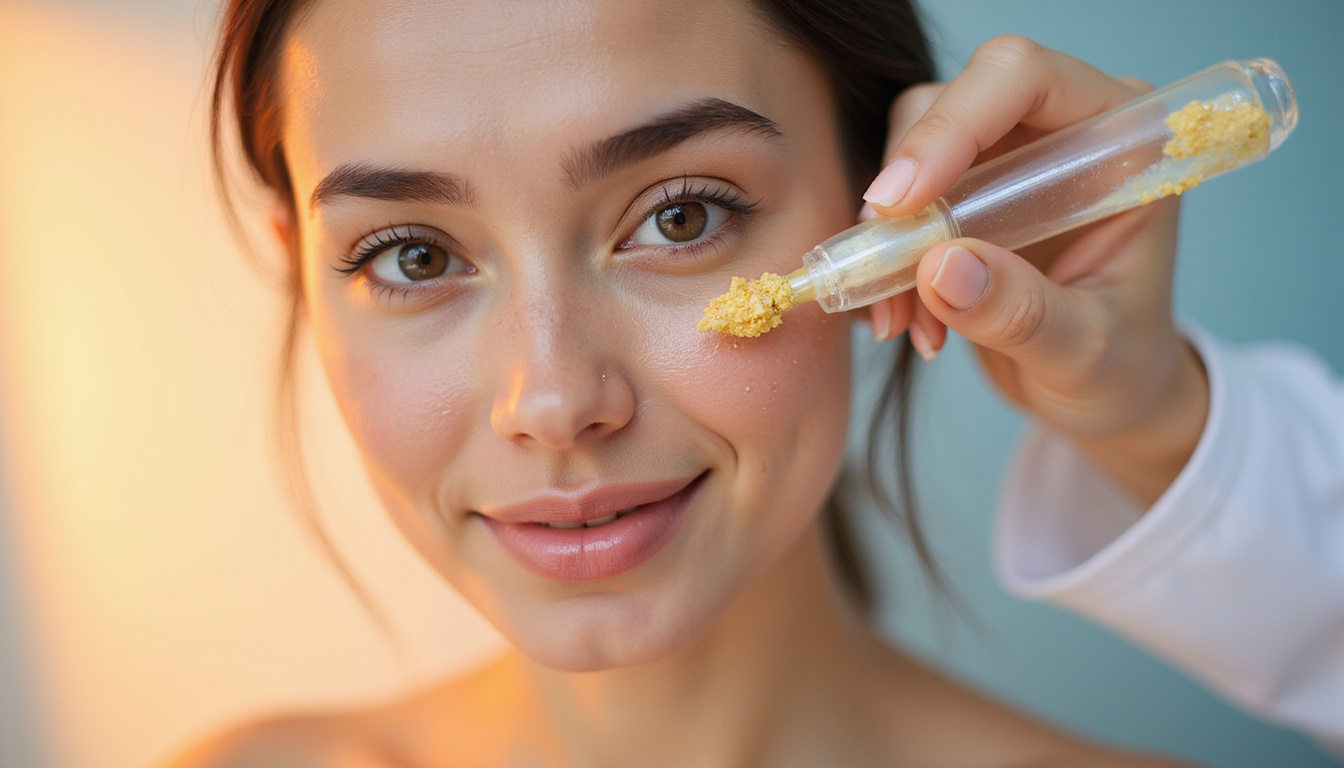
Formulators may incorporate:
- Soothing agents (e.g., bisabolol, certain plant extracts)
- Barrier-supporting lipids (e.g., ceramides, cholesterol, fatty acids)
- Humectants to help maintain hydration balance
This can make brightening routines feel more compatible with dryness-prone or easily reactive skin—though reactions can still occur, and individual tolerance varies widely.
Key considerations when approaching any brightening product, including luxury options, often include:
- Frequency of use – Starting with moderate usage and adjusting gradually can help gauge tolerance, especially where exfoliating or highly active formulas are involved.
- Layering – Combining multiple brightening steps (for example, an exfoliating toner, intensive serum, and potent night treatment) may increase the potential for over-stimulation, even if each product is well-formulated.
- Seasonal and environmental context – Changes in climate, humidity, and overall routine can alter how skin responds to active brightening products.
Luxury skincare often positions itself as “gentle yet effective,” but sensitivity is highly individual; the category does not eliminate the possibility of discomfort or visible irritation.
Brand Transparency and Consumer Trust
Because luxury skin brightening leans heavily on narrative, transparency becomes especially important. Some brands now share more detail on:
- The general mode of action (e.g., antioxidant support, exfoliation, soothing)
- The categories of ingredients responsible for specific claims
- Internal testing procedures, even if not disclosed in exhaustive scientific detail
Signs of more robust transparency may include:
- Ingredient lists that are easy to access and read
- Clear differentiation between short-term cosmetic effects and longer-term, appearance-related goals
- Explanations that avoid dramatic promises and instead situate results within realistic timeframes
By contrast, opacity around how a product is meant to work, or heavy reliance on vague descriptive language (“revitalizing complexes,” “light-infusing technologies”) without any explanation of mechanism, can make it harder for consumers to assess value beyond branding.
When Luxury Skin Brightening Aligns with Consumer Needs
Luxury brightening can be well aligned with a consumer’s needs when:
- Sensory experience is a priority – For individuals who find that a beautifully textured, pleasurable product encourages consistent use, the experiential qualities of luxury formulas may indirectly support better adherence to a routine.
- Multi-step routines are being simplified – Some luxury products aim to integrate multiple functions—surface refinement, hydration, antioxidant support, and softness—into one or two steps, which may appeal to those seeking a more streamlined regimen.
- Ingredient tolerability is a concern – While not universal, certain formulations in this category place significant emphasis on comfort, layering soothing and barrier-supporting ingredients with brightening technologies.
In these scenarios, the combination of sensorial refinement and sophisticated formulation strategies can feel justifiable to consumers who prioritize experience, aesthetics, and complexity of formulation as part of their definition of value.
When Luxury May Not Add Meaningful Brightening Benefits
Conversely, there are situations where the “luxury” label may add little to the actual brightening outcome:
- Very similar ingredient profiles exist across tiers – In some cases, a luxury formula may rely on familiar brightening strategies that also appear in more accessible products, with the most salient differences being texture and branding rather than core mechanism.
- The primary appeal is packaging – When packaging and outer design vastly overshadow the substance of the formula, any radiance benefits may be comparable to simpler options.
- Expectations are outcome-only – If a consumer cares solely about the appearance of more even tone and is indifferent to sensory details, fragrance, or packaging, the premium placed on luxury positioning may not correspond to a proportionate jump in results.
It is also worth noting that brightening is a complex concern influenced by factors such as genetics, environment, and routine habits. No category—luxury or otherwise—can universally promise specific degrees of visible improvement.
A Practical Lens for Evaluating Luxury Brightening Formulas
When assessing any product within the luxury skin brightening space, a practical, ingredient-aware lens can be helpful. Consider:
- Mechanism – Which general pathways is the product targeting (surface smoothing, antioxidant support, hydration, barrier comfort)?
- Balance – Are brightening strategies paired with supportive ingredients that may help maintain comfort and resilience?
- Clarity – Does the brand offer a plausible, plainly explained rationale for how the product is intended to work over time?
- Fit – Does the sensory profile (texture, scent, finish) align with personal preferences and tolerance?
A concise way to think about it:
- Mass and mid-tier: often prioritize straightforward actives with comparatively simpler textures.
- Luxury: tends to emphasize multi-pathway formulations, sensorial refinement, and narrative—sometimes with advanced delivery systems, sometimes primarily with elevated textures and packaging.
The value of that difference is ultimately subjective and depends on how consumers weigh experience versus strictly outcome-focused considerations.
FAQ: Luxury Skin Brightening and Related Questions
Q1: Is luxury brightening skincare more effective than non-luxury options?
Not inherently. Many core brightening strategies—such as exfoliation, antioxidant support, and hydration—are shared across price segments. Luxury formulations may offer more refined textures, sophisticated delivery systems, or layered ingredient complexes, but these features do not automatically translate to superior visible results for every individual.
Q2: How can I tell if a high-end brightening product is more than just marketing?
Focusing on mechanism rather than story can help. Look for clear explanations of how the formula aims to support a more radiant, even-looking complexion (for example, by combining surface-smoothing agents with antioxidants and barrier-supporting ingredients). Transparent communication about ingredient roles and realistic expectations is often more meaningful than elaborate narratives alone.
Q3: Are brightening treatments in the luxury category suitable for sensitive skin?
Some luxury formulas are designed with a strong emphasis on comfort, integrating soothing and barrier-supporting components alongside brightening strategies. However, sensitivity is highly individual. Patch testing, gradual introduction, and attention to how the skin responds to exfoliating or strongly active products remain important considerations, regardless of price or positioning.
A Measured Perspective on Luxury Brightening
The allure of luxury skin brightening lies at the intersection of science, aesthetics, and emotion. These products offer more than just a topical formula; they offer a sensory and symbolic experience framed around radiance, even tone, and refinement.
Yet the underlying principles—supporting surface turnover, bolstering antioxidant defenses, and maintaining a comfortable, resilient skin barrier—are shared across the broader skincare landscape. Luxury’s point of difference often lies less in exclusively unique molecules and more in how familiar mechanisms are combined, stabilized, and presented.
Viewed through this lens, the category becomes easier to navigate. Rather than assuming that a higher-end label guarantees superior brightening, consumers can weigh formulation transparency, ingredient strategy, texture, and personal values. Luxury skincare can provide a particularly polished route to a brightening routine, but it remains one pathway among several—best chosen with clear eyes, realistic expectations, and an understanding of what, beyond the promise of luminosity, truly matters to the individual using it.