Luxury Skincare Gifts: More Than Beautiful Packaging
Luxury skincare gifts occupy a particular space in beauty culture: they are objects of care, status, and symbolism as much as they are topical formulations. Whether exchanged during holidays or as personal indulgences, these sets invite questions beyond surface-level appeal. What actually differentiates luxury skincare from mass and premium categories? How can a recipient—or giver—evaluate the quality, formulation, and suitability of these items in a meaningful way?
Understanding the category at a structural level helps shift attention from ornate packaging to what truly matters: how formulas are built, how they interact with skin, and how transparent brands are about their choices.
What Defines “Luxury” in Skincare as a Category
Within the broader skincare landscape, luxury is less about a single measurable standard and more about a cluster of characteristics that often—but not always—appear together:
- Formulation complexity and finish: Luxury formulas frequently prioritize texture, spreadability, and sensorial refinement alongside active ingredients. Emulsions may be more sophisticated, with carefully balanced oil–water phases and stabilizing systems that create a weightless or cushiony feel.
- Aesthetic and ritual: From glass bottles to weighted caps and fragrance signatures, the object itself is designed to turn skincare into a daily ritual. This is central to luxury skincare gifts, where the unboxing moment is part of the perceived value.
- Brand narrative and heritage: Many luxury ranges emphasize craftsmanship, extended development timelines, or a particular origin story (e.g., a specific lab or geographic ingredient source), positioning the product as the result of specialized expertise.
- Curated distribution and positioning: Luxury skincare is often framed as exclusive: limited ranges, carefully controlled assortments, and an emphasis on “discovery” rather than ubiquity.
What luxury skincare does not inherently guarantee is superior efficacy or skin compatibility. Those outcomes depend on formulation details, ingredient concentrations, and individual skin needs, which may or may not align with the luxury label.
Ingredient Quality vs. Ingredient Storytelling
Ingredient discussions in luxury skincare often blend chemistry with narrative. A recurring question for gift-givers is whether the formulation reflects genuine innovation or primarily compelling storytelling.
1. Purity and grade of ingredients
Luxury brands may opt for higher-purity actives, more refined oils, or specific grades of humectants and emollients. For example, plant oils can vary widely in refinement, stability, and sensory profile, all of which influence how the product feels and behaves on skin.
However, “high-quality” is not a regulated term, and purity claims are not always standardized. Assessing quality often requires paying attention to:
- The presence of known, well-studied actives (such as certain vitamins, humectants, or ceramide complexes)
- Whether the formula combines supportive ingredients (antioxidants, soothing agents, barrier-supporting lipids) rather than relying on a single star component
- How the brand discusses testing, stability, and safety rather than just origin stories
2. Botanical and rare ingredients
Luxury skincare frequently highlights rare botanicals or extracts from specific regions. These can contribute antioxidants, soothing effects, or sensorial benefits, but their efficacy varies significantly depending on:
- Standardization (e.g., consistent levels of active compounds)
- Extraction method
- Concentration in the final formula
The presence of an exotic plant does not inherently indicate superior performance. It may signal a particular brand philosophy—such as a focus on natural origin or craftsmanship—but needs to be interpreted alongside the full ingredient list.
3. The role of scientific language
Technical-sounding peptides, complexes, and proprietary blends often feature in luxury narratives. Some of these are grounded in robust research, while others are brand-specific combinations with limited independently accessible data. It can be useful to look for:
- Whether the brand cites any type of testing (in vitro, user perception, or instrumental), noting that none of these equate to guaranteed results
- Clear distinctions between what has been observed in studies and how those observations are described in marketing language
The key distinction: ingredient storytelling emphasizes what sounds impressive; ingredient quality emphasizes how the formula is likely to behave on real skin.
Sensory Experience and Formulation Elegance
One of the most consistent differentiators in luxury skincare is the sensorial profile—how a product feels, smells, and integrates into a routine. For gifts, this sensorial dimension is often central, as recipients may associate “luxury” with pleasure and ritual more than with any specific skin change.
Texture and spread
Luxury emulsions and serums often exhibit:
- Even, effortless spread with minimal pilling
- Rapid absorption that leaves either a subtle glow or soft matte finish, depending on intent
- Fine-tuned viscosity that works across different climates or under makeup
Achieving this usually involves sophisticated emulsifier blends, film-formers, and rheology modifiers that support a polished feel.
Fragrance and the emotional aspect
Scent is a hallmark of many luxury lines. Fragrances may be subtle or pronounced, linear or complex, often designed to evoke calm, freshness, or indulgence. For some, this is a primary reason to choose a luxury gift.
However, fragrance—synthetic or natural—is also a common source of irritation for more reactive skin. When choosing a gift, it may be worth considering the recipient’s general tolerance for fragranced products and whether the brand offers lightly scented or fragrance-free options within the same line.
Packaging and usability
Weighted jars, airless pumps, and thoughtfully designed droppers can elevate the ritual and protect formula integrity. That said, elaborate packaging does not necessarily mean better preservation; how well a product resists air, light, and contamination depends on:
- Opaque vs. clear containers
- Airless vs. open-jar formats
- Whether the formula is particularly sensitive to oxidation (as with some antioxidant systems)
The most reliable approach is to treat sensorial and aesthetic elements as part of the experience value, not as a proxy for performance.
Skin Compatibility and Sensitivity Considerations
When luxury skincare is exchanged as a gift, the central unknown is compatibility: how it will interact with another person’s skin type, routine, and environment.
1. Skin type and condition
Luxury formulations may be designed for specific concerns—dryness, visible uneven tone, or the appearance of fine lines—or for broader “all-skin-types” claims. In practice, suitability often depends on:
- Texture and occlusiveness (rich creams vs. light fluids) for those prone to congestion
- Level of surfactants and solvents in cleansers and treatments for those with compromised skin barriers
- Presence of multiple active categories in a single product (exfoliating acids alongside retinoid-type ingredients, for example), which can increase intensity
Because gift sets often combine several products, layering effects can be more potent than any individual formula might imply.
2. Fragrance and potential irritants
Recipients with reactive or sensitized skin may be more vulnerable to fragranced or heavily botanical formulas. Natural origin does not inherently mean gentler; certain essential oils, fruit extracts, or strong plant distillates can be as reactive as synthetic scent components for some users.
A cautious approach for uncertain recipients includes:
- Lighter textures and simpler routines over multi-step regimens
- Products positioned as “comforting,” “barrier-focused,” or “minimalist” in their assets, while still sitting within a luxury framework
3. Patch testing and gradual introduction
While specific usage guidance is beyond scope, dermatology resources consistently emphasize the value of gradual introduction for new skincare categories and patch testing in a small area before full use, particularly for leave-on products and active-rich formulas (source: American Academy of Dermatology). This principle is especially relevant when gifts feature concentrated or unfamiliar actives.
Brand Transparency and Consumer Trust
In the luxury category, where storytelling is highly developed, transparency becomes a key indicator of how a brand views the consumer’s intelligence and agency.
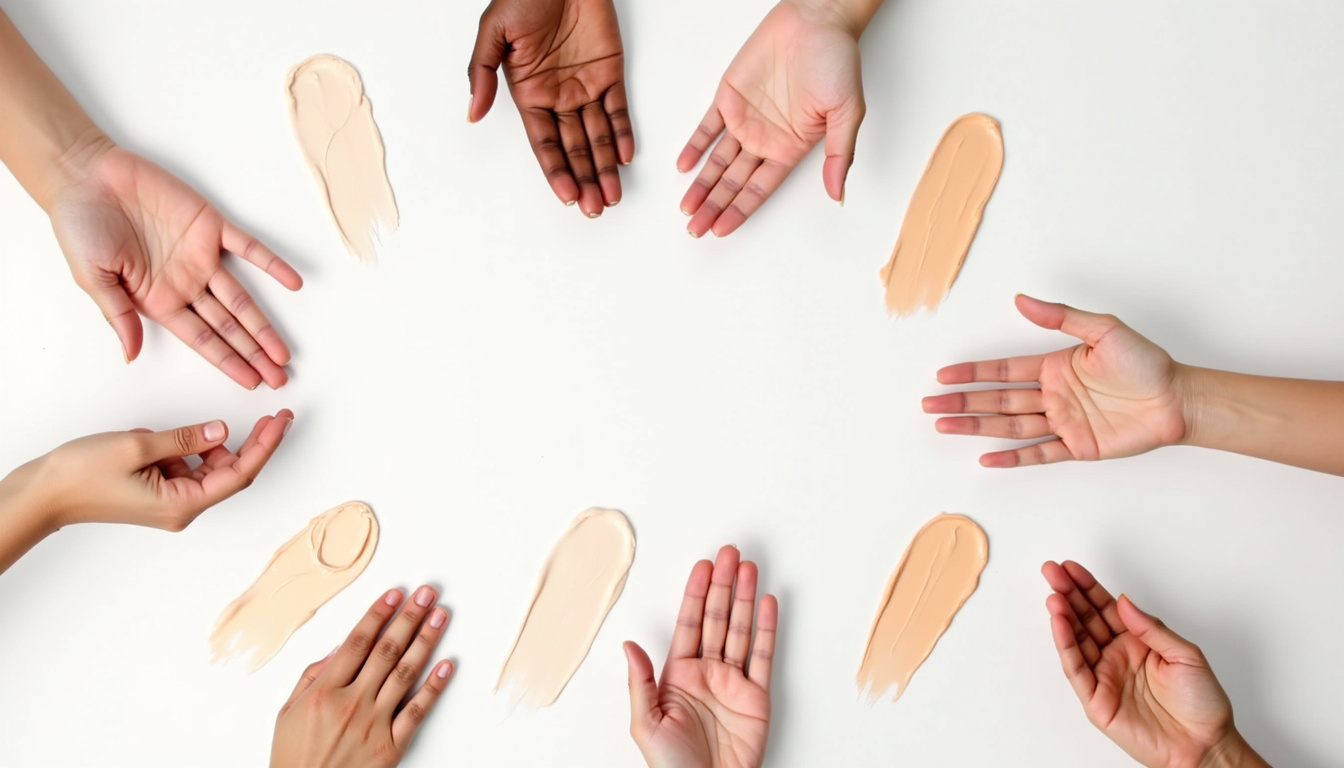
What transparency can look like
- Ingredient lists that are easy to access and read, ideally with explanations of why certain components are included
- Clear differentiation between marketing names and actual INCI names, so consumers can identify known actives
- Contextualized testing claims, indicating the type of study, number of participants, and nature of outcomes (e.g., self-assessed vs. instrument-measured)
- Honest framing of limitations, acknowledging that individual responses vary and that products are not a substitute for professional care
Luxury skincare gifts can feel more trustworthy when brands treat buyers and recipients as informed participants rather than as audiences for purely aspirational messaging.
Opacity to approach with caution
- Vague references to “complexes” or “exclusive technologies” without any further explanation
- Heavy reliance on heritage, scarcity, or exclusivity as the core justification for the product’s existence
- Overreaching promises or language that implies certainty of outcome across all users
The presence of refinement and story is not inherently problematic; it becomes a concern when it obscures rather than enhances understanding.
When Luxury Skincare Aligns With the Recipient — and When It Doesn’t
Luxury skincare can be an exceptionally thoughtful gift when it dovetails with the recipient’s values, preferences, and skin tendencies. Misalignment tends to occur when the emphasis is solely on the prestige of the brand or the ornate presentation.
Luxury gifts are more likely to align when:
- The recipient enjoys skincare rituals and sensorial experiences such as textures, scents, and packaging details.
- There is at least a general understanding of their skin tendencies (for example, leaning dry, combination, or reactive).
- The brand communicates with some degree of clarity about ingredients, testing, and intended use.
- The gift supports, rather than overhauls, the recipient’s existing routine—e.g., a single treatment or cream instead of a complex, multi-step system.
Potential misalignment can occur when:
- The recipient is extremely ingredient-sensitive, but the formulas emphasize fragrance or complex botanical blends.
- The gift set bundles many intense actives, increasing the risk of irritation through layering.
- The perceived value is derived almost entirely from packaging and brand name, with minimal attention to whether the formulas match the recipient’s needs.
Considering luxury skincare gifts as an intersection of experience, formulation, and compatibility tends to yield more satisfying outcomes than viewing them purely as status objects.
Evaluating Luxury Skincare Gifts: A Practical Checklist
While every brand and formula is different, a few guiding questions can help frame a more analytical view of what is being given or received:
Formulation focus
- Does the ingredient list include recognizable, well-characterized skincare components (humectants, emollients, barrier-supporting lipids, soothing agents)?
- Is the formula constructed to balance potential intensity with support, or does it appear built around a single hero ingredient?
Sensory and aesthetic profile
- Is the recipient likely to enjoy fragranced or strongly sensorial products?
- Does the packaging protect the formula (opaque, airless) in addition to looking sophisticated?
Skin compatibility
- Do the textures and actives seem appropriate for the recipient’s general skin tendencies?
- If the set includes several products, might their combined active load be more intense than the recipient typically uses?
Transparency and trust
- Does the brand provide coherent explanations about its ingredient choices and testing methods?
- Is the language measured and realistic about results, or heavily reliant on superlatives?
This type of review does not require scientific training; it simply asks that visual elegance, while appreciated, is not the only lens used to assess value.
FAQ: Understanding Luxury Skincare as a Gift Category
Q1: Are high-end skincare gift sets always more effective than mass-market options?
Not necessarily. Effectiveness depends on the specific formulation, concentration of active ingredients, and individual skin responses. Luxury positioning often correlates with more sophisticated textures and sensorial elements, but this does not automatically translate into superior visible results for every user.
Q2: What should I look for when choosing a premium skincare gift for someone with sensitive skin?
Consider formulas that appear simpler and more barrier-focused, with fewer strong exfoliating acids or multiple intense actives in the same product. Minimized or absent fragrance may be beneficial for those prone to reactivity. When in doubt, a single, well-constructed product is often less risky than an extensive active-rich routine.
Q3: Do prestige skincare gifts offer value beyond branding and packaging?
They can, particularly when brands invest in formulation elegance, high-quality supporting ingredients, and thoughtful stability and safety testing. However, the value is multifaceted: part formulation, part ritual, part emotional significance. Evaluating all three dimensions helps clarify whether a specific gift aligns with the recipient’s preferences and expectations.
A Measured Perspective on Luxury Skincare Gifts
Luxury skincare, as a category, sits at the intersection of formulation science, design, and narrative. It excels in transforming routine into ritual and in crafting products that feel considered in the hand and on the skin. Yet the visual and emotional appeal that makes these items so enticing as gifts can sometimes overshadow practical questions about compatibility and substance.
Viewing luxury skincare gifts through a more analytical lens—one that weighs ingredient quality against storytelling, sensorial pleasure against sensitivity, and branding against transparency—allows givers and recipients to engage with the category on their own terms. Luxury, in this context, becomes less about the promise of transformation and more about the deliberate choice to prioritize a certain type of experience, supported by a formulation that respects both the skin and the person using it.