Luxury Skincare Packaging: More Than Just a Beautiful Object
In luxury skincare packaging, the jar or bottle is often the first signal that something belongs in the “luxury” category. Weighty glass, metallic accents, sculptural caps, and intricate boxes all contribute to an impression of care and exclusivity. Yet as consumers become more ingredient-literate and environmentally conscious, the question is shifting from “Does it look luxurious?” to “Does it function well, protect the formula, and align with my values?”
This article examines how luxury skincare packaging is defined, how it shapes expectations, and how to evaluate it critically—beyond the aesthetics of a beautifully photographed flat lay.
What Actually Makes Packaging “Luxury”?
In the context of skincare, luxury is less about a strict definition and more about a cluster of signals and experiences. Packaging is central to that signaling. Common characteristics include:
- High-perceived quality materials such as glass, metal accents, and custom-molded components
- Distinctive design language that is recognizable without a logo
- Tactile cues: weight, smooth closure mechanisms, and precise dispensing
- Layered unboxing rituals involving outer cartons, inserts, and protective elements
Compared with mass or “masstige” skincare, luxury packaging typically emphasizes permanence and object value—something that feels like an item to keep on display rather than hide in a cabinet. Yet these attributes do not inherently mean the contents are more sophisticated, stable, or effective. They simply reflect a design decision to prioritize a certain kind of experience.
Evaluating luxury status purely by appearance risks conflating packaging artistry with formula quality. A more nuanced approach looks at how aesthetics interact with function and sustainability.
Ingredient Stability vs. Packaging Theatre
One of the most consequential roles of skincare packaging is protection—shielding the formula from light, air, contamination, and temperature fluctuations. This is where the visual drama of luxury presentation can sometimes work against the formula inside.
Key considerations include:
- Light exposure: Transparent or lightly tinted glass can showcase textures and colors beautifully, but it may offer less protection for light-sensitive ingredients than opaque or UV-protective containers.
- Air exposure: Wide-mouth jars invite sensorial rituals—scooping, swirling, inhaling fragrance—but they often expose a large surface area to air every time they’re opened.
- Contamination risk: Hands repeatedly dipping into jars may introduce impurities; pumps, tubes, and airless systems can reduce this risk.
Some luxury brands align their visual language with performance priorities, using airless pumps, opaque containers, or inner bags that collapse as product is dispensed. Others lean into theatrical presentation—heavy jars, mirrored surfaces, multi-part lids—where the functional benefits are more ambiguous.
Well-designed packaging can balance both, but it requires thoughtful engineering: pumps that preserve formula integrity while delivering a controlled amount; materials that shield from environmental stress without compromising the visual signature; closures that feel satisfying yet remain secure.
Form Meets Feel: The Sensory Role of Luxury Packaging
Luxury skincare is not only about ingredients; it is also about orchestrating a sensory narrative. Packaging is the first touchpoint in that narrative and influences how consumers perceive texture, scent, and results.
Common sensory strategies include:
- Weight and balance: Heavier packaging is often associated with quality and permanence. This is a deliberate design choice, even when lighter solutions might be equally functional.
- Closure “feel” and sound: The soft click of a magnetic cap or smooth swivel of a lid reinforces an impression of precision.
- Tactile finishes: Satin-matte glass, brushed metal, or soft-touch coatings are selected to feel pleasant in the hand and to suggest refinement.
- Visual coherence with texture: Silky serums in slender pipettes, rich creams in low, wide jars—form reinforces expectations about how a product might feel on the skin.
These elements do not directly change how a formula interacts with the skin, but they can shape the perception of efficacy and pleasure. For many consumers in the luxury category, that daily ritual—how a product looks and feels during use—is part of the value. The challenge is ensuring that these sensory choices do not undermine practical aspects such as hygiene, ease of dispensing, and transportability.
Functionality: How Design Choices Impact Daily Use
When evaluating luxury skincare packaging, it can be helpful to look beyond the initial impression and consider day-to-day realities:
- Dose control: Does the packaging allow consistent, measured application, or does it encourage over-dispensing?
- Portability: Are containers travel-friendly, or are they fragile and cumbersome?
- Accessibility: Is it easy to use for individuals with reduced hand strength or dexterity, or does it rely on stiff caps and intricate mechanisms?
- Longevity of performance: Does the pump continue to function properly as the product is used up, or does it leave a significant amount inaccessible?
Luxury packaging often prioritizes aesthetic unity across a range—making everything look visually consistent on a shelf. However, the optimal format for a cleanser, a serum, and a rich cream may differ. Formats that appear uniform may not always be ergonomically or functionally ideal for each type of product.
One practical way to read luxury packaging is to ask: does this design solve a real usage problem, or has complexity been added primarily for visual drama?
Sustainability Tensions in Luxury Skincare Packaging
Sustainability is now a central part of the conversation around high-end beauty. Consumers increasingly question whether heavy materials and intricate multi-component designs can be justified, even when they look and feel appealing. According to the UN Environment Programme, the cosmetics industry generates significant packaging waste, and improving recyclability and material efficiency is an ongoing challenge (source: UNEP).
Tension points include:
- Material intensity: Thick glass, complex metal accents, and decorative plastics may increase resource use and emissions.
- Recyclability: Multi-layered components—like pumps with metal springs, mixed plastics, or decorative coatings—can be difficult to recycle in standard streams.
- Refill systems: Some luxury brands introduce refill pods or inserts to reduce waste, but these can involve their own plastic casings and transport impacts.
- Longevity of object: When a container is designed to be kept, displayed, or repurposed, it may reduce the psychological “disposability” of packaging; however, this benefit depends on how consumers actually use or keep those items.
Sustainable luxury packaging is possible, but it requires engineering trade-offs. Lighter-weight glass, mono-material pumps, and clearly labeled plastics can improve recyclability, though they may feel less “impressive” in the hand. Similarly, refills are only beneficial when the system is straightforward and the refill components themselves minimize material.
For consumers, the presence of eco-themed language on packaging is not always a reliable indicator of its true environmental impact. Specific, verifiable details—such as material composition, recycled content, and clear end-of-life guidance—tend to be more informative than vague sustainability claims.
Balancing Aesthetics, Protection, and Sustainability
When considered together, three core priorities often compete in luxury skincare packaging:
- Aesthetic impact – the visual and tactile impression of luxury
- Functional protection – safeguarding formula quality and easing use
- Environmental responsibility – reducing resource use and waste
Different brands prioritize these axes differently. Some lean heavily into sculptural glass and metal, positioning the object as a keepsake. Others emphasize technical packaging—airless systems, lightweight components, minimal decoration. A smaller but growing subset aims to merge all three, designing visually distinctive, formula-protective systems that still consider recyclability and material efficiency.
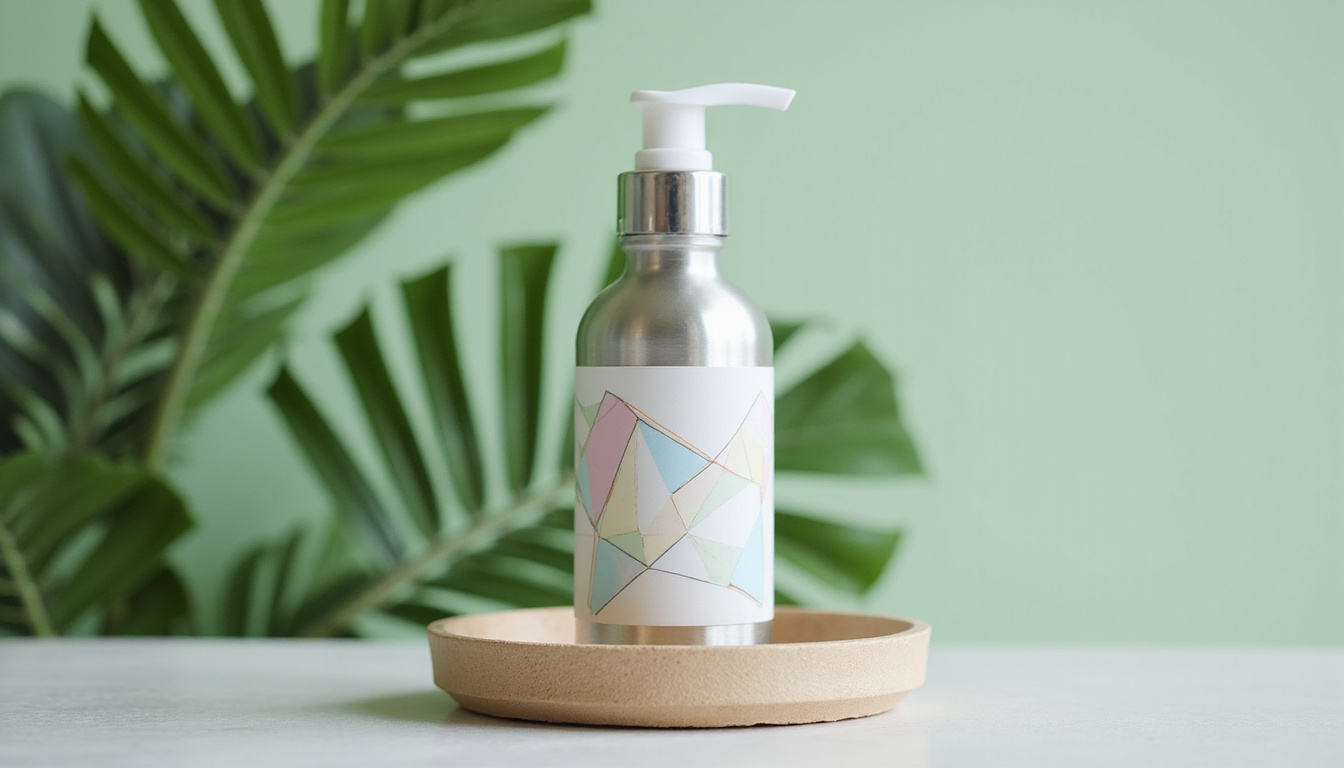
From a consumer perspective, it can help to decide which attributes truly matter in your own routine. For some, sensory ritual and design are central; for others, practicality and environmental considerations will outweigh the allure of a heavy glass jar. Recognizing these trade-offs allows for more intentional choices within the luxury category.
Reading Between the Lines: Transparency and Claims
Luxury skincare packaging is often the primary canvas for brand storytelling. Typography, color, and layout signal heritage, science, nature, or a blend of all three. Yet the way information is presented can either empower or overwhelm.
Constructive signs of transparency may include:
- Clearly labeled ingredient lists in legible fonts
- Thoughtful explanation of packaging materials or refill systems
- Practical usage guidance (how much to use, how to store)
- Realistic language around what the product is intended to do
Less helpful are vague, unsubstantiated phrases that emphasize exclusivity or rarity without clarifying what that means for the user experience. Elegant design can coexist with clear information; in well-executed luxury packaging, the storytelling and the facts are integrated rather than competing.
When Luxury Packaging Aligns With Consumer Needs—and When It Doesn’t
Luxury skincare packaging serves different roles for different users. It can support a meaningful daily ritual, signal self-prioritization, and bring aesthetic pleasure to a bathroom or vanity. It can also, at its best, be engineered to preserve formula quality, dispense accurately, and minimize waste.
However, there are moments when the category may not align perfectly with consumer expectations:
- When heavy, ornate containers make everyday use awkward or travel impractical
- When jar formats prioritize sensorial access but undercut formula protection
- When sustainability claims are broad while material choices remain complex and hard to recycle
- When the narrative of luxury is invested more in the object than in its performance or compatibility with real routines
The reality is that luxury packaging functions on both emotional and practical levels. Neither is inherently more valid, but understanding their interplay helps clarify what you are actually investing in: not only the formulation, but also the ongoing experience of owning and using that object.
A Quick Checklist for Evaluating High-End Skincare Packaging
When assessing a luxury skincare container, it can be useful to ask:
- Does the format (jar, pump, tube) make sense for the type of product inside?
- How well is the formula likely protected from light, air, and contamination?
- Is the packaging comfortable to use repeatedly and easy to control in terms of dosage?
- Are any sustainability claims supported by specifics about materials, refills, or recyclability?
- Do the aesthetic features add something meaningful to your routine, or are they primarily decorative?
No single package will excel in every dimension, but this framework can clarify where the strengths and compromises lie.
FAQ: Understanding High-End Skincare Packaging
Q1: Is luxurious skincare packaging always better for the product inside?
Not necessarily. While some high-end containers use advanced systems to protect formulas—such as airless pumps or UV-protective materials—others emphasize visual impact over technical performance. The format and construction matter more than how expensive or ornate the packaging looks.
Q2: How can I tell if premium skincare packaging is more sustainable?
Look for concrete details rather than general eco-language: clear material identification, mention of recycled content, simple mono-material components, and straightforward refill systems. Even then, sustainability depends on how local recycling facilities handle those materials and how you actually dispose of or reuse the packaging.
Q3: Does heavier, more decorative skincare packaging mean higher quality?
Weight and ornamentation are design choices that signal luxury, but they do not inherently indicate better formulation quality or performance. They may enhance the sensorial and aesthetic experience, yet can also increase material use and make products less practical to store, travel with, or recycle.
A More Informed View of Luxury Skincare Packaging
Luxury skincare packaging sits at the intersection of design, engineering, and environmental responsibility. It can elevate a routine into a ritual, support ingredient stability, and express a brand’s identity. It can also introduce unnecessary complexity, resource intensity, and confusion if aesthetics are prioritized over function and clarity.
Approaching this category with a critical but open perspective—looking beyond beauty to consider protection, usability, and sustainability—allows consumers to decide what kind of “luxury” they value most. In doing so, the jar or bottle becomes not just an object of desire, but a considered part of a skincare philosophy that balances pleasure, practicality, and responsibility.