Luxury Skincare Routine: Beyond Packaging and Promise
A luxury skincare routine is often imagined as a series of beautifully packaged steps—silky cleansers, weightless serums, sumptuous creams. Yet beyond the aesthetic lies a more complex reality: luxury skincare is a category defined not only by price positioning and branding, but by formulation philosophy, sensory engineering, and the expectations it sets for skin. Understanding these principles helps distinguish genuine quality from surface-level opulence and allows consumers to build a luxury skincare routine that is thoughtful rather than merely expensive.
What Truly Defines Luxury Skincare
Luxury skincare is less a single standard and more a spectrum of approaches. At category level, several recurring characteristics tend to appear:
- Elevated sensorial design: Textures, scents, and finishes are carefully engineered to feel “couture” on the skin.
- Narrative-rich ingredients: Rare botanicals, proprietary complexes, and fermentation or biotech actives often feature prominently in brand storytelling.
- Polished brand aesthetics: Minimalist or ornate packaging, weighty components, and visual codes associated with prestige.
- High-touch positioning: A focus on ritual, ceremony, and the emotional experience of use.
However, none of these elements inherently guarantee superior performance or skin compatibility. Luxury is a positioning—how a line presents itself, formulates, and communicates—rather than an assurance of better results. Some luxury formulas are technically sophisticated; others are largely about narrative and experience. The key is evaluating what sits beneath the surface.
Ingredient Quality vs. Ingredient Storytelling
One of the most persistent assumptions about luxury skincare is that higher positioning means “better” ingredients. The reality is more nuanced.
Ingredient quality can refer to several aspects:
- Purity and consistency: How consistently an ingredient is sourced and processed.
- Stability: Whether the ingredient remains effective over time within the formula.
- Standardization: Particularly for plant extracts, how reliably the active components are present at a defined level.
Luxury brands may invest in more controlled sourcing or proprietary extraction methods, but this varies widely. In many cases, mainstream and prestige products share the same raw material suppliers and grades of ingredients. What often changes is how the story is told.
Ingredient storytelling is central to the luxury segment. Common strategies include:
- Highlighting rare or geographically specific botanicals
- Emphasizing fermentation, encapsulation, or “complexes” with evocative names
- Referencing in-house research laboratories or long development timelines
These narratives are not necessarily misleading; they sometimes reflect genuine technological effort. But they can blur the line between marketing and material difference. For consumers, the more instructive details are:
- Are percentages or concentration ranges of key actives disclosed?
- Is there clarity on what a proprietary “complex” actually contains?
- Does the formula balance high-impact actives with barrier-supporting ingredients (emollients, humectants, soothing agents)?
Independent dermatological and cosmetic science sources, such as the American Academy of Dermatology, consistently emphasize that ingredient selection and compatibility matter more than brand tier in determining how skin responds (source: AAD).
Sensory Experience and “Formulation Elegance”
Where luxury skincare often distinguishes itself most clearly is in the sensory dimension. “Elegant” formulations aim to harmonize efficacy, comfort, and pleasure in use. This can show up in several ways:
- Texture engineering: Gels that transform into oils, balms that liquefy on contact, creams that feel dense in the jar but weightless on the skin. These sensorial transitions rarely happen by accident—they result from careful work with emulsion systems, silicones, esters, and rheology modifiers.
- Finish control: Luxury formulas often target specific finishes: soft focus, “velvet,” or barely-there radiance. Achieving this may require a complex blend of powders, polymers, and film-formers.
- Fragrance design: Many prestige lines lean on fine-fragrance-style scents, created with perfumers to convey a brand’s identity. Others pursue a more “clinical” luxury with minimal or very subtle aroma.
For some consumers, this sensorial refinement is central to why they choose the category: a luxury skincare routine becomes a deliberate ritual, not a quick functional step. Yet the same sensorial elements that make a product feel luxurious—especially fragrance and certain texturizing agents—can be less suitable for some skin types.
Skin Compatibility and Sensitivity Considerations
Luxury positioning does not inherently equal gentleness or universality. In fact, several common hallmarks of prestige formulations merit a more critical look, particularly for sensitive or reactive skin:
- Fragrance (natural and synthetic): Complex scent structures are common in high-end skincare, but fragrance is also a frequent source of irritation for susceptible individuals. “Natural” aromatics, such as essential oils, are not automatically milder.
- Highly active blends: Some luxury ranges layer multiple performance ingredients—acids, retinoid derivatives, peptides, antioxidants—into single formulas. While potentially efficient for experienced users, this intensity may be too much for compromised barriers.
- Rich textures: Butter-thick creams and occlusive balms are often associated with indulgence. For some skin types, this feels comforting; for others, it can be too heavy or comedogenic.
The most skin-respectful luxury formulations tend to:
- Balance active ingredients with barrier-supportive components (ceramides, cholesterol, fatty acids, glycerin, etc.)
- Offer clear usage guidance and caution around over-layering similar actives
- Provide fragrance-free or low-fragrance options, even within a sensorially driven range
For consumers assembling a luxury skincare routine, compatibility should be weighted at least as heavily as aesthetic appeal. Patch testing, gradual introduction of new steps, and paying attention to skin feedback are crucial, regardless of category.
Brand Transparency and the Luxury Contract
Prestige skincare often operates on an implicit contract: in return for investing in the brand, the consumer receives not just products, but a narrative of meticulous care—research, craftsmanship, rare ingredients, rigorous testing. How clearly brands substantiate that narrative varies.
meaningful transparency can include:
- Ingredient disclosure beyond INCI lists: Explaining what featured complexes consist of, and the role each component plays.
- Context for claims: Outlining the nature of any testing (e.g., consumer perception, instrumental measurements), while avoiding exaggerated language.
- Sourcing and sustainability information: How raw materials are selected, quality-controlled, and their environmental footprint considered.
Some luxury brands provide detailed white papers, lab-led communication, or ingredient glossaries that help consumers understand their formulations. Others lean more heavily on poetic descriptions and heritage stories.
For an informed consumer, useful signals include:
- Is the language specific or vague?
- Are limitations acknowledged, or only best-case scenarios presented?
- Does the brand address potential sensitivities, or imply universal suitability?
Transparency does not guarantee superior outcomes, but it does allow for more rational decision-making when building a routine.
Ritual Standards: How Luxury Approaches the Routine Itself
Luxury skincare is not only about individual products; it is also about how the routine is framed. The category often encourages:
- Multi-step structures: Double cleansing, essences, targeted serums, eye treatments, masks, facial massage, and specific night rituals.
- Time investment: A deliberate slowing down, turning skincare into a daily ceremony.
- Tool integration: Gua sha, facial rollers, or more advanced devices positioned as part of the experience.
A ritualized routine can be grounding and enjoyable, and the repeated tactile engagement with one’s skin can increase awareness of changes in texture, hydration, or sensitivity over time. However, more steps do not automatically equate to better outcomes. In some cases, layering multiple actives from different steps can overburden the skin.
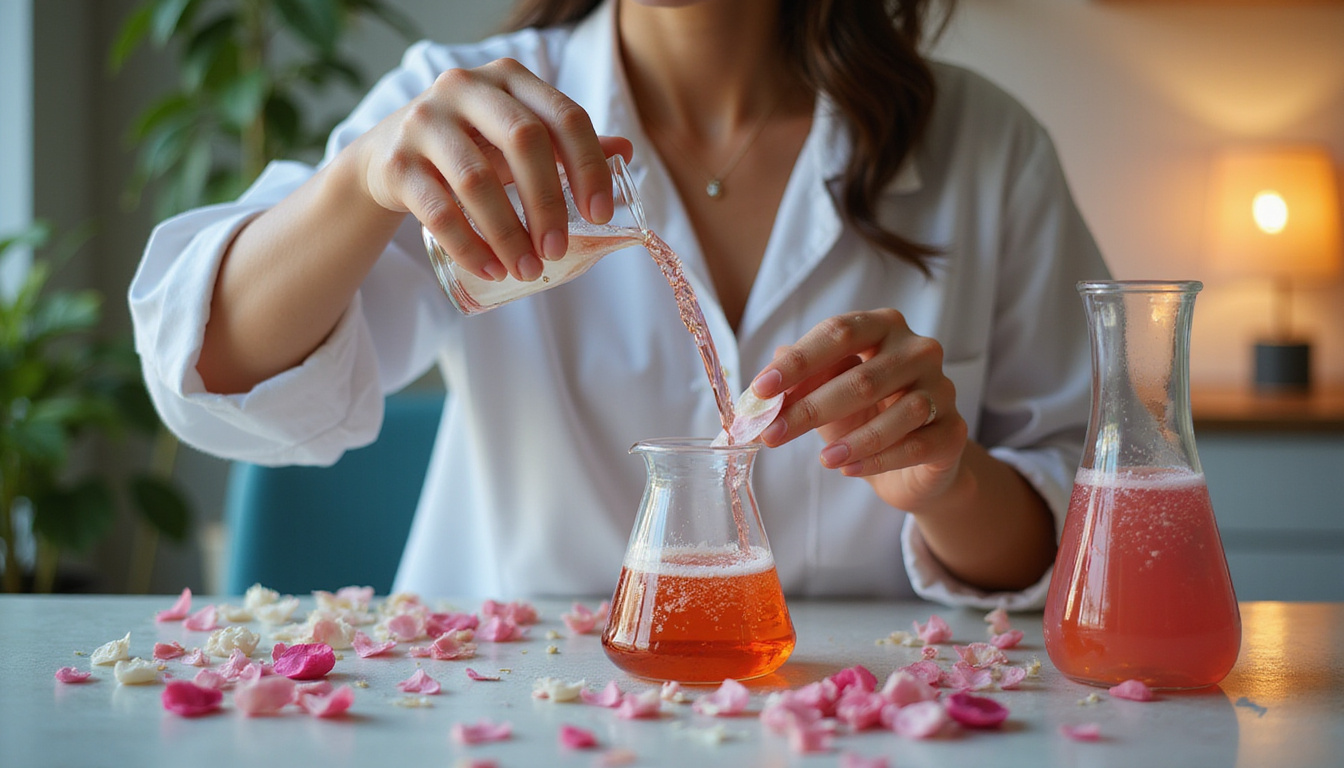
When Luxury Skincare Aligns — and When It Doesn’t
Luxury skincare can be genuinely aligned with certain priorities and less aligned with others.
Particularly well-suited when someone prioritizes:
- Highly refined textures and finishes
- A sensorially elevated self-care ritual
- Detailed brand storytelling and aesthetic coherence
- An interest in proprietary technology or craftsmanship, with willingness to investigate claims
Less aligned when the main objective is:
- Minimalist, fragrance-free routines for highly reactive skin
- Purely functional, no-frills maintenance
- Access to specific, well-characterized active ingredients at clearly stated concentrations, without emphasis on narrative
From a performance standpoint, the category is highly heterogeneous. Some luxury formulas are technically rigorous, integrating advanced delivery systems and balanced actives; others closely resemble simpler products dressed in more elaborate stories and packaging. The challenge for the consumer is learning to distinguish the two.
Practical Ways to Evaluate Luxury Skincare Formulations
When considering whether a product fits into a thoughtful luxury skincare routine, it may help to examine:
Formulation composition
- Do barrier-supporting ingredients accompany high-intensity actives?
- Is there a clear purpose for each step, or is there redundancy?
Compatibility signals
- How does the brand address potential sensitivities?
- Are there fragrance-free or lower-intensity options within the line?
Communication clarity
- Are claims contextualized rather than absolute?
- Are proprietary complexes reasonably explained rather than purely named?
Ritual fit
- Does the texture and scent profile align with your preferences and lifestyle?
- Are you able to maintain the routine consistently, or is it overly elaborate for daily life?
A short list to keep in mind while browsing:
- Look for balance between actives and skin-comfort ingredients
- Treat fragrance and essential oils as aesthetic choices, not performance factors
- Consider whether each step adds distinct benefit rather than repetition
- View brand stories as context, not proof
- Observe your skin’s response over time, not just its immediate feel
FAQ: Navigating the Luxury Skincare Category
Is a luxury skincare routine always better for the skin than a simpler one?
Not necessarily. Some luxury formulations offer excellent texture, balanced actives, and thoughtful design; others prioritize experience over function. A streamlined, compatible routine—luxury or not—will usually serve the skin better than a complex but poorly matched one.
How many steps should a high-end routine realistically include?
There is no fixed “correct” number of steps. Many people do well with a focused structure: cleansing, one or two targeted treatments, moisturization, and appropriate sun protection from the category of their choice. Additional steps—mists, essences, masks, tools—are optional enhancements, best added with attention to how the skin responds.
What should I focus on when choosing products in the luxury skincare space?
Focusing on formulation details, ingredient compatibility, texture preference, and brand transparency is more informative than relying on aesthetic appeal alone. Assess how a product fits into your existing routine, what role it plays, and whether its design seems aligned with your skin’s tendencies and tolerance.
A More Informed View of Luxury Skincare
Luxury skincare, at its best, offers carefully engineered formulations, refined sensorial experiences, and a considered approach to ritual. At its most superficial, it can rely heavily on packaging and storytelling while offering little that is materially distinct.
Approaching the category with a critical, informed lens—examining texture, composition, transparency, and personal compatibility—allows consumers to appreciate what luxury can add without assuming it is inherently superior. In the end, the most compelling luxury skincare routine is not the most elaborate or prestigious one, but the one that thoughtfully aligns elevated experience with the actual needs and limits of the skin using it.