Luxury Spa Skincare: More Than a Price Tag
The phrase “luxury spa” in skincare evokes polished stone treatment rooms, calming music, and bottles that feel almost too beautiful to open. Yet beyond the atmosphere and aesthetics, luxury spa skincare is a distinct category with its own standards, formulation philosophies, and consumer expectations. Understanding what actually defines this space—versus mass or conventional premium skincare—helps separate meaningful quality from purely symbolic luxury.
This article looks at luxury spa skincare as a category: how it’s typically formulated, what kind of experience it aims to deliver, where the value may lie, and where expectations sometimes exceed what the products can realistically offer.
What Defines Luxury Skincare in a Spa Context
Luxury skincare in a spa setting is less about a single ingredient or claim and more about a layered experience and philosophy. Several characteristics frequently overlap:
- Holistic positioning: Many luxury spa ranges position skincare as part of an overall wellness ritual rather than a purely corrective regimen. The focus often blends surface-level benefits with relaxation, sensorial pleasure, and moments of pause.
- Elevated textures and scents: Creams, oils, and serums are designed not only to function, but to glide, melt, or cocoon in a way that supports professional massage techniques.
- Treatment-centric development: Formulations are commonly created to perform in hands-on protocols—facials, body treatments, massages—before being adapted for at-home use.
- Visual and tactile identity: Glass, weighty caps, and soft-touch finishes are not incidental; they are intended to signal care, permanence, and a slower, more deliberate approach to skincare.
By contrast, mass skincare focuses primarily on functional basics and rapid turnover, while mainstream premium skincare often emphasizes specific active ingredients, visible results, and marketing claims above the ritual or spa-like experience.
That said, these categories do blur. A “spa-like” cleanser from a mass brand may deliver a pleasing texture, and some luxury spa brands increasingly incorporate more clinical-style actives. The distinction is more about priority and philosophy than strict ingredient lists.
Ingredient Quality vs. Ingredient Storytelling
One of the most persistent questions with luxury spa skincare is whether the formulas actually differ in substance—or mainly in story. The reality sits somewhere in between.
Where ingredient quality can stand out
Some luxury spa formulations place particular emphasis on:
- Purity and sourcing: Selective use of plant oils, butters, and extracts that are carefully refined for texture, scent, or stability.
- Complex blends: Multi-component emulsions that balance emollients, humectants, and occlusives to feel rich yet refined on the skin.
- Fragrance development: Use of fine fragrance techniques—layered notes, natural and synthetic blends—for a more nuanced olfactory profile than basic perfuming.
This level of detail can require more time and expertise in formulation, and the result may feel more elegant or immersive on the skin.
Where ingredient storytelling can overshadow reality
At the same time, luxury spa skincare is often built around a narrative: rare botanicals, marine elements, ritualistic herbs, or geographically specific ingredients. While some of these materials may contribute beneficial properties, their real-world impact depends heavily on:
- Concentration within the formula
- How they’re processed and stabilized
- The overall formula architecture they sit within
An exotic plant extract at a very low percentage may contribute more to the identity of the product than to its performance. Consumers are increasingly aware of this nuance; focusing solely on hero ingredients or origin stories can be misleading if one assumes they automatically signal superior effectiveness.
Independent ingredient databases and regulatory resources, such as the European Commission’s database on cosmetic substances (source: CosIng), can help decode ingredient lists and put claims into context.
Sensory Experience and Formulation Elegance
If there is one defining strength of luxury spa skincare, it is the sensory and tactile dimension. These products are intentionally designed to support ritual.
Texture as a design priority
In this category, texture is rarely an afterthought. Formulators often aim for:
- Balms that transform to oils on contact
- Serums that feel like a second skin rather than a sticky film
- Creams that feel dense in the jar but surprisingly airy on application
Such textures are optimized for professional application—spreading evenly during facial massage, allowing enough slip without pilling, and leaving a finish that feels smooth rather than greasy.
The role of scent and ambiance
While fragrance-free options exist, many luxury spa lines rely heavily on scent to reinforce relaxation cues. These fragrances may:
- Draw from traditional aromatherapy palettes (lavender, neroli, sandalwood)
- Combine natural essential oils with carefully chosen synthetics to stabilize and refine the profile
- Be coordinated across product ranges so the entire ritual feels cohesive
For some, this is a core part of why luxury spa skincare feels indulgent; for others, especially those with sensitivities, it can be a reason for caution.
Ritual as part of the value
An important aspect of formulation elegance is that it encourages users to slow down. Textures that require gentle massaging, scents that unfold over a few minutes, and packaging that invites deliberate handling can help transform basic cleansing and moisturizing into a more mindful practice.
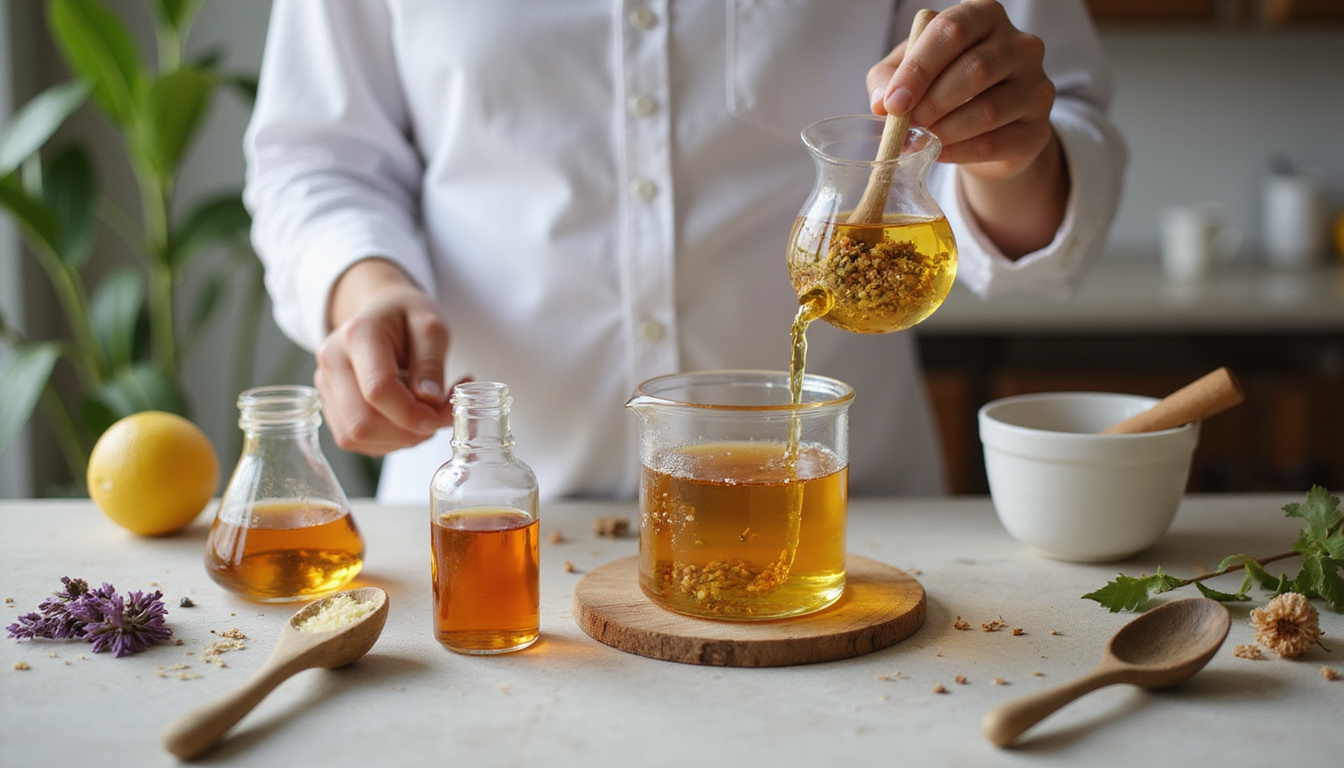
The key question for consumers is whether that ritual holds personal value—because much of what differentiates this category is experiential rather than purely functional.
Skin Compatibility and Sensitivity Considerations
Luxury spa skincare is often associated with gentleness and pampering, but that does not necessarily make it the safest option for every skin type. A few points to consider:
Fragrances and essential oils
Many spa-style formulas lean into complex fragrance architectures and botanical essential oils. While these can enhance pleasure and perceived relaxation, they may also introduce:
- Potential irritants for those prone to sensitivity
- A higher fragrance load than in more clinical-feeling formulations
For robust, non-reactive skin, this may be a non-issue; for easily irritated skin, it can be a deciding factor.
Rich textures vs. skin tolerance
Luxurious creams and balms can be:
- Comforting for dry or mature skin
- Overwhelming for combination or more congestion-prone skin
In other words, what feels indulgent on application is not always what the skin will tolerate best over time. Skin compatibility hinges on the balance of emollients, occlusives, and humectants relative to one’s particular needs.
Professional vs. at-home use
Some formulas are designed primarily for in-spa treatments, with professional application and removal protocols in mind. When these are adapted for home use, the experience is modified, but expectations should remain measured. A product that feels exceptional during a facial may rely as much on expert touch, steam, and environment as on its topical ingredients.
Brand Transparency and Consumer Trust
In an era of highly informed beauty consumers, the standards for trust in luxury spa skincare are evolving. “Luxurious” packaging and tranquil imagery alone no longer suffice.
Areas where transparency matters
Savvy consumers may look for clarity around:
- Full ingredient lists: Easily accessible, not hidden behind vague terms like “proprietary complex” without additional detail.
- Formulation philosophy: Whether the brand prioritizes certain ingredient families (e.g., specific plant oils, biotechnological actives) and how it balances natural and synthetic components.
- Sustainability considerations: Packaging choices, sourcing policies, and measures to reduce environmental impact—topics increasingly linked to modern notions of luxury.
Narrative vs. information
Luxury spa brands often excel at storytelling, which can create strong emotional connection. The challenge is ensuring that this narrative is supported by substantive, verifiable information where consumers need it—especially around what’s in the bottle and how it’s expected to behave on the skin.
When brands clearly articulate what their products aim to do, for whom they’re best suited, and any limitations users should be aware of, this tends to foster a more realistic and sustainable relationship with their audience.
When Luxury Spa Skincare Aligns — and When It Doesn’t
Luxury spa skincare can be an excellent fit in some scenarios and less aligned in others. Matching expectations to what this category typically delivers is key.
Most aligned when:
- Ritual matters as much as results: For those who view skincare as daily downtime, stress management, or a personal ritual, the sensory richness and thoughtful textures may provide genuine value.
- Texture and comfort are non‑negotiable: Users who dislike sticky gels or harsh-feeling actives may appreciate the cushioning, comforting sensorial profile of spa-inspired formulas.
- Professional treatments are part of the routine: Using ranges that integrate with in-spa protocols can make it easier to maintain familiarity and continuity between appointments and at-home care.
Less aligned when:
- The priority is targeted, rapid change: If someone is focused on very specific concerns and expects dramatic change from topical products alone, they may find that many luxury spa ranges prioritize comfort and cumulative care over highly aggressive, activity-focused formulas.
- Skin is highly reactive or fragrance-averse: The very features that make spa skincare appealing—complex scents, botanical components—can be problematic for extremely sensitive or reactive skin types.
- Minimalism is the core value: Those who prefer stripped-back, clinically oriented formulas with minimal fragrance and simple packaging may feel that the sensory emphasis and presentation add complexity without personal benefit.
Understanding this alignment helps consumers view luxury spa skincare neither as automatically superior nor as inherently unnecessary, but as one option within a broad landscape.
Practical Ways to Evaluate Luxury Spa Skincare
To move beyond surface impressions, it can be useful to apply a simple framework when assessing products in this category:
- Clarify your goal: Are you seeking primarily relaxation, a refined sensory ritual, gentle ongoing care—or maximal visible change?
- Read the full ingredient list: Look for overall structure (emollients, humectants, occlusives, support ingredients), not just a single featured botanical.
- Consider your skin history: If you have a record of reacting to fragrance or essential oils, scrutinize those components closely.
- Assess texture and finish needs: Think about how you like your skin to feel during the day or overnight (weightless, dewy, cushiony, matte).
- Distinguish story from function: Appreciate the narrative, but still ask: what does this formula realistically offer my skin type and routine?
This approach allows room for enjoyment of luxury while anchoring decisions in personal relevance and compatibility.
FAQ: Understanding Luxury Spa Skincare
Q1: Does luxury spa skincare always work better than basic skincare?
Not necessarily. Luxury spa products often excel in texture, scent, and overall experience, and may use thoughtfully chosen blends of ingredients. However, “better” is highly individual and depends on skin type, concerns, and tolerance. Some basic formulations can be very effective from a purely functional standpoint, even if they lack the sensory refinement found in spa-style ranges.
Q2: Is a luxury spa routine essential for healthy skin?
No. Healthy skin can often be maintained with simpler routines, provided they are consistent and well-matched to the individual. Luxury spa rituals can add enjoyment, comfort, and a sense of well-being, which many people value, but they are a preference rather than a requirement.
Q3: How can I tell if a spa-inspired product is worth adding to my routine?
Consider whether it fills a specific gap—such as providing a texture you enjoy, a calming evening ritual, or a more pleasant cleansing step—rather than expecting it to transform your skin alone. Evaluate ingredients, assess compatibility with your skin, and reflect on how much you value the experiential aspects of skincare compared with strictly outcome-focused products.
A Measured Perspective on Luxury Spa Skincare
Luxury spa skincare sits at the intersection of formulation craftsmanship, sensory design, and storytelling. Its strengths often lie in how products feel, smell, and integrate into rituals—not only in what they do at a biochemical level. For some, this combination of comfort, atmosphere, and care is precisely what makes a routine sustainable and satisfying over the long term.
The most informed way to approach this category is to appreciate its artistry without automatically equating it with superior results. When consumers understand the difference between ingredient quality and ingredient narrative, between sensorial pleasure and strictly functional benefit, they can engage with luxury spa skincare on their own terms—choosing formulas and rituals that align with both their skin’s needs and their personal concept of modern luxury.