Luxury Vegan Skincare: Beyond the Label
Luxury vegan skincare occupies an interesting intersection: it borrows the sensory refinement and elevated branding of luxury beauty, while aligning with ethical and environmental values traditionally associated with more minimalist or “clean” categories. As this segment grows, it becomes increasingly important to understand what actually defines luxury vegan skincare—beyond the logo, the texture of the cream, or the word “vegan” on the box—and how to evaluate quality in a category that can be as much about philosophy as it is about formulation.
What Makes Skincare Both Luxury and Vegan?
At its core, vegan skincare excludes animal-derived ingredients such as beeswax, lanolin, collagen, carmine, and some forms of glycerin, and is not tested on animals where that can be avoided within regulatory frameworks. “Luxury,” meanwhile, is less about an official standard and more about a cluster of characteristics that frequently include:
- Sophisticated textures and sensorial profiles
- Complex, often proprietary formulations
- Strong visual and narrative branding
- Emphasis on perceived exclusivity or craftsmanship
When those ideas converge, luxury vegan skincare tends to position itself around three pillars:
- Ethical stance – a commitment to animal-free ingredients and alternative methods of safety and efficacy evaluation where possible.
- Formulation refinement – prioritizing textures, stability, and ingredient synergy to compete with or surpass conventional luxury skincare.
- Aesthetic and experiential value – packaging, fragrance, and rituals that signal “luxury” while aligning with a plant-based or ethically oriented philosophy.
However, none of these factors inherently guarantee performance or skin compatibility. Vegan and luxury are descriptors of values and positioning; they are not in themselves measures of efficacy.
Ingredient Quality vs. Ingredient Storytelling
Luxury vegan skincare often leans heavily on narrative: botanical origin stories, sustainably sourced actives, or rare plant extracts discovered in remote locations. These narratives can be compelling, but they are not the same as ingredient quality.
What “quality” usually means in this context
Quality is usually determined by several technical factors:
- Purity and grade – e.g., cosmetic-grade vs. food-grade, standardized extracts vs. crude botanicals.
- Consistency of supply – reliable sourcing that delivers consistent composition batch after batch.
- Stability in formula – how well an ingredient maintains its characteristics once emulsified, preserved, and exposed to light or air.
- Evidence base – varying levels of in vitro, in vivo, or consumer perception studies supporting an ingredient’s use (not necessarily in a medical sense, but as part of cosmetic research).
In luxury vegan formulations, these may be combined with more familiar cosmetic actives—such as plant-derived humectants, peptides synthesized without animal components, and alternative lipid complexes designed to mimic skin’s natural barrier.
Where storytelling enters
Ingredient storytelling often highlights:
- The origin (e.g., “from a specific coastline,” “from regenerative farms”).
- The rarity or difficulty of extraction.
- Traditional or historical uses of a plant.
While these details can signal care and curation, they do not always correlate with measurable outcomes on the skin. A simpler, well-studied plant-derived humectant may function more reliably than a rare flower extract with limited data, even if the latter sounds more luxurious.
A balanced evaluation asks:
- Is the ingredient present in a form and concentration likely to contribute meaningfully to the formula?
- Does the brand distinguish between what is known from research and what is anecdotal or purely narrative?
One helpful reference when evaluating ingredient functions is the ingredient database from the Personal Care Products Council or similar regulatory and scientific bodies that catalog cosmetic ingredients and their typical uses (source: Cosmetic Ingredient Review).
The Formulation Philosophy of Luxury Vegan Skincare
Within this niche, formulation philosophy often centers on reconciling ethical criteria with performance and sensorial pleasure. Vegan restrictions remove a number of historically common cosmetic materials—such as animal-derived collagen or beeswax—so formulators often lean on alternatives.
Common themes include:
- Biomimetic design – using plant-derived or synthetic lipids and humectants that resemble components of the skin barrier.
- Green chemistry influences – choosing solvents, surfactants, and emulsifiers that meet certain environmental or biodegradability criteria.
- Shorter or more curated INCI lists – not necessarily minimalistic, but crafted to tell a coherent story of function and philosophy.
- Textural ingenuity without animal waxes – relying on plant waxes, esters, and polymer systems to create rich balms, “cushiony” creams, and elegant gels.
The aim is often to prove that vegan formulas can achieve (or exceed) the sensorial impact associated with traditional luxury skincare, without relying on ingredients such as beeswax-based occlusives or animal-derived proteins.
Sensory Experience and “Formulation Elegance”
One characteristic that tends to differentiate luxury from mass skincare is what cosmetic chemists sometimes describe as “elegance”: the way a formula spreads, absorbs, and layers with other products; the absence of pilling; the balance between richness and weightlessness.
For luxury vegan skincare, sensorial elements often include:
- Textures – lightweight emulsions that still feel plush, gels that transform into oils, balms that melt seamlessly.
- Finish on skin – satin, dewy, or soft-matte finishes engineered with specific emollient blends and film-formers.
- Fragrance approach – a spectrum from essential-oil-based scent to fully fragrance-free, with many brands using subtle botanical accords aligned with a plant-based ethos.
- Ritual design – products intended to be massaged, layered, or used with tools, emphasizing a slower, more intentional routine.
These sensorial details can enhance user satisfaction and encourage consistency of use, which indirectly influences how well any skincare works in practice. That said, a pleasurable texture is not synonymous with improved skin outcomes; it simply makes regular use more likely.
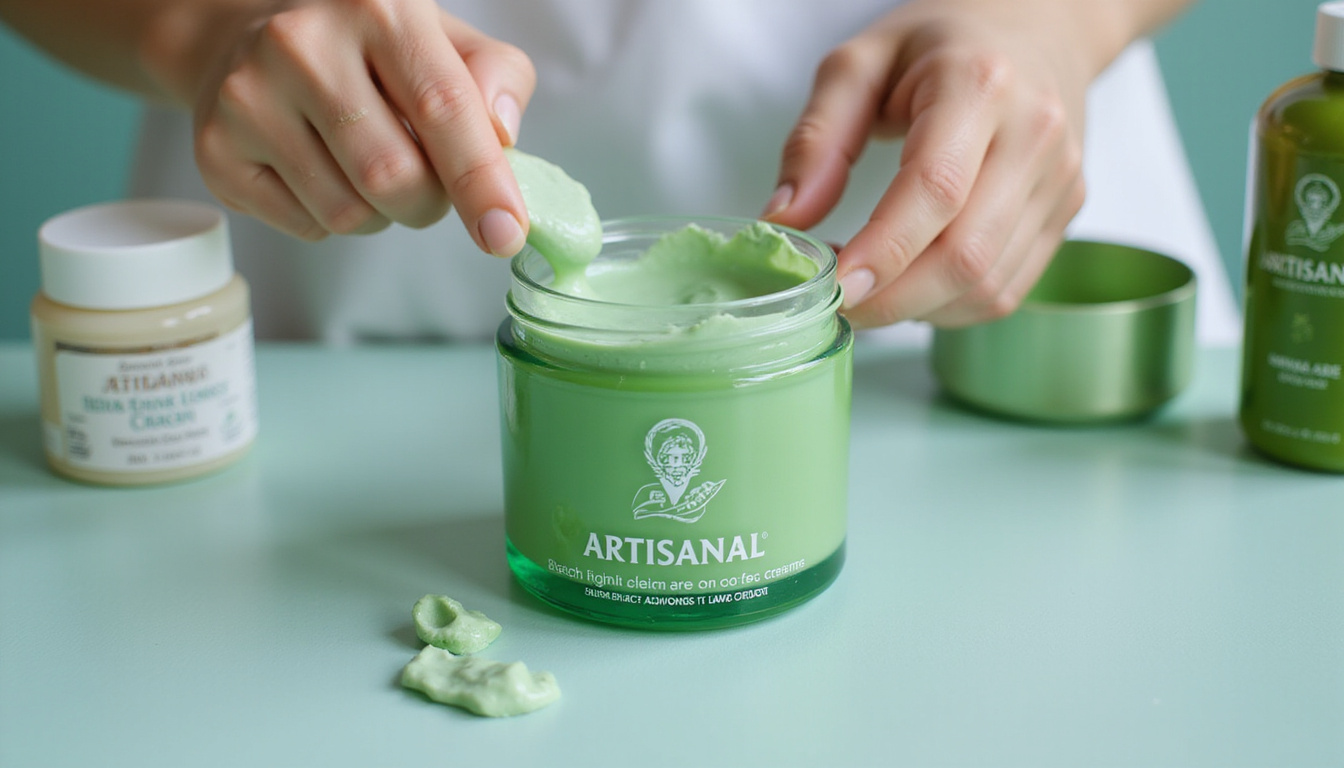
Skin Compatibility and Sensitivity Considerations
Luxury vegan skincare is not automatically gentler or more suitable for sensitive skin. Animal-free and ethical sourcing criteria do not inherently address potential irritancy, comedogenicity, or reactivity.
Points to consider:
Botanical intensity
Plant-rich formulas can be dense with essential oils, aromatic extracts, and natural allergens that may be problematic for reactive or sensitized skin. “Natural” and “vegan” do not equate to hypoallergenic.Fragrance and essential oils
Some luxury vegan ranges emphasize sensorial pleasure through complex essential-oil blends. For those prone to sensitivity, fragrance-free or low-fragrance options may be more appropriate, regardless of how luxurious they feel.Rich textures vs. congestion
Emollient-heavy creams and balms (often using plant butters and oils) can feel indulgent, but may be too occlusive for certain skin types, especially in humid climates or for those prone to congestion.Layering routines
Multi-step luxury regimens can introduce many actives at once. Vegan or not, more steps mean more potential interactions and more cumulative exposure to fragrance, preservatives, and surfactants.
Consumers focused on skin compatibility may wish to evaluate formulations by:
- The presence of known personal triggers (e.g., specific botanical families).
- The overall fragrance load (including essential oils, not just “parfum”).
- The balance between humectants, emollients, and occlusives relative to their skin type.
Brand Transparency and Ethical Standards
Within luxury vegan skincare, brand values are as scrutinized as the formulas themselves. Transparency becomes a core part of what makes a product feel “luxury” to a values-driven consumer.
Key dimensions of transparency include:
Clear vegan definitions
Whether “vegan” applies to the entire brand or selected lines only; whether ingredients like glycerin, squalane, and stearic acid are explicitly confirmed as non-animal-derived.Animal testing stance
Statements about animal testing policies, including how brands navigate differing regulatory requirements in global markets, are central to credibility in the vegan space.Ingredient disclosure
Full INCI lists, explanations of ingredient function in accessible language, and clarification of ambiguous terms (e.g., what “proprietary complex” actually contains).Sourcing and sustainability
Information about agricultural practices, traceability, and the environmental impact of high-demand botanicals. Luxury brands may emphasize partnerships with particular growers or regions, but the depth of disclosure varies.Packaging choices
Refillable designs, material recyclability, and the balance between aesthetically pleasing heavy packaging and environmental considerations all feed into a brand’s ethical profile.
In this category, the perception of luxury often expands to include intellectual and ethical luxury: the assurance that the product aligns with personal values, is thoughtfully designed, and is supported by honest communication.
When Luxury and Vegan Values Align—And When They Don’t
Luxury vegan skincare can align beautifully with certain consumer priorities, but it is not universally the “best” choice in every context. A nuanced view considers both strengths and limitations.
Potential strengths
- Value alignment – for those prioritizing animal welfare and reduced reliance on animal-derived ingredients, this category offers an ethical framework paired with sensorial enjoyment.
- Innovation in plant-based and synthetic alternatives – pushing formulators to refine non-animal options can advance the entire industry.
- Elevated user experience – textures, fragrances, and packaging can make daily routines feel more pleasurable and intentional, which some consumers value as part of self-care.
- Stronger narrative around sustainability – although implementation varies, luxury vegan brands often articulate environmental commitments more clearly than mass-market lines.
Potential limitations
- Ethics are not standardized – “vegan” does not automatically denote fully cruelty-free operations across all markets or exhaustive sustainability practices. Policies and practices differ, and require individual scrutiny.
- Performance still varies – some vegan formulations match or exceed traditional luxury benchmarks, while others rely heavily on marketing and novel-sounding botanicals with modest practical benefits.
- Botanical overload for sensitive skin – high concentrations of essential oils and fragrant extracts can be challenging for certain users, despite the products being vegan.
- Complexity vs. necessity – elaborate regimens with many steps can be enjoyable but are not inherently more effective than simpler routines tuned to an individual’s skin needs.
Ultimately, luxury vegan skincare aligns best with consumers who value both sensorial experience and animal-free formulations, and who are willing to evaluate each product and brand on its own merits rather than assuming that the label itself guarantees quality.
How to Evaluate Luxury Vegan Skincare More Critically
When considering this category, it may help to approach selection with a structured mindset:
Clarify your priorities
Decide whether ethics, skin goals, minimal routines, fragrance preferences, or environmental aspects are most important—this will shape how you weigh trade-offs.Read beyond front-of-pack claims
Look at the INCI list, brand statements about veganism and testing policies, and any explanations of proprietary complexes.Assess sensorial vs. functional balance
Determine whether textures, scents, and rituals are enhancing your routine in a meaningful way, rather than distracting from mismatches with your skin type.Note your skin’s real-world response
Consistency, comfort, and lack of irritation may be more informative than any single claim about plant origins or rarity of ingredients.
A more informed, less logo-driven approach allows consumers to enjoy the luxuries of this category—pleasure, philosophy, and performance—while avoiding the assumption that any one label automatically signifies superiority.
FAQ: Navigating Luxury Vegan Skincare
Q1: Is luxury vegan skincare always more effective than non-vegan or mass options?
No. Effectiveness varies widely between formulas, regardless of whether they are vegan or positioned as luxury. Vegan status reflects ingredient origin, not performance, and luxury positioning emphasizes experience and storytelling as much as function. Evaluating the ingredient list, texture, and personal skin response tends to be more informative than the category label alone.
Q2: How can I tell if a luxury vegan skincare brand truly avoids animal-derived ingredients?
Look for explicit statements on ingredient sourcing, not just a single “vegan” icon. Some ingredients can be derived from either animal or plant sources (for example, certain emollients and fatty acids). Brands that are genuinely committed typically specify plant or synthetic origin, provide full INCI lists, and clarify policies on animal testing and third-party manufacturing.
Q3: Are plant-based, high-end formulas automatically better for sensitive skin?
Not necessarily. Many luxury vegan products rely heavily on botanicals and essential oils for fragrance and perceived naturalness, which can be problematic for some sensitive or reactive skin types. Those with sensitivities may prefer formulas that are not only vegan but also fragrance-free or low in known irritants, and should introduce new products gradually to observe how their skin responds.
A thoughtful approach to luxury vegan skincare recognizes it as a distinct philosophy of beauty: one that merges ethical considerations with aesthetic pleasure and technical formulation. Used critically—rather than unquestioningly—it can offer both refinement and alignment with personal values, while reminding consumers that true “luxury” ultimately lies in informed choice and long-term skin comfort, not just in the story told on the jar.