Luxury LED Therapy: Where Skincare Ritual Meets Clinical Technology
Luxury LED therapy occupies an interesting space in modern skincare: part spa ritual, part clinical device, and part status object. As more high-end masks, panels, and tools enter the market, the category raises a central question: when does an LED device meaningfully support skin health, and when is it primarily a lifestyle accessory? Understanding how this category relates to clinical standards, formulation philosophy (in this case, hardware and protocol design), and realistic expectations can help consumers navigate the glow of premium promises with a more critical eye.
What Defines Luxury in LED Skincare Devices?
In skincare, “luxury” is less a strict technical category and more a combination of design, experience, and brand positioning. For LED therapy tools, it typically reflects a blend of:
- Elevated materials and design (ergonomic masks, polished finishes, sophisticated packaging)
- A strong narrative around research, innovation, and exclusivity
- Multi-sensory elements, such as added warming, vibration, or app-based experiences
- Curated routines or “protocols” marketed as comprehensive regimens
What distinguishes luxury LED therapy from more utilitarian or professional devices is often not the basic technology—light-emitting diodes at specific wavelengths—but how that technology is framed, wrapped, and integrated into a broader aesthetic and lifestyle concept.
At the same time, luxury branding does not inherently indicate better performance. Some high-end devices may be engineered to closer align with parameters used in controlled clinical settings; others may prioritize comfort, portability, or visual appeal over technical rigor. Recognizing that distinction is essential.
Clinical Parameters: How LED Therapy Is Evaluated
While at-home devices are typically less intense than those used in clinics, they are often inspired by similar principles. Clinical LED use is usually defined less by “luxury” and more by quantifiable parameters:
Wavelength: The color of light, measured in nanometers (nm).
- Red and near-infrared wavelengths are commonly studied for supporting skin function.
- Blue wavelengths are frequently examined in relation to acne-prone skin.
Irradiance (power density): Measured in mW/cm², this indicates how much power is delivered to the skin surface.
Energy dose (fluence): Measured in J/cm², it combines power and time to describe the total energy delivered per session.
Treatment schedule: How often and how long the light is used (e.g., several times per week for multiple weeks).
Published studies on photobiomodulation generally specify these details, as they influence how light interacts with biological tissues (source: NIH / NCBI). By contrast, consumer-facing descriptions of luxury LED therapy often emphasize color modes, ease of use, or novel features with less emphasis on exact technical specifications.
For consumers trying to understand whether a device philosophically aligns with clinical practice, transparency around wavelength, irradiance, and recommended protocol is more meaningful than aesthetic positioning.
Ingredient Quality vs. “Light Storytelling”
In topical skincare, luxury brands often differentiate themselves through ingredient narratives: rare botanicals, advanced complexes, or proprietary fermentation. In the LED category, the parallel is a narrative around “light quality.” This may include:
- Claims of “medical-grade” or “professional-grade” diodes
- Proprietary light combinations or patterns
- Unique “programs” targeting multiple concerns
However, the core questions resemble those around ingredients:
Is the story supported by measurable parameters?
For LED therapy, this means clearly stated wavelengths and energy levels, rather than only descriptive terms like “rejuvenating red” or “soothing amber.”Are multi-color or multi-mode options functionally justified?
Multiple light colors can be useful, but more modes do not always equal better outcomes. Some devices emphasize versatility for marketing appeal, whereas clinical protocols are often more narrowly defined.Is complexity adding clarity or confusion?
A device that offers many patterns, colors, and routines may feel advanced but can make consistent usage more difficult. Simpler, clearly explained protocols often align more closely with how photobiomodulation has been studied.
As with premium serums, luxury LED tools sometimes lean on storytelling that outpaces the publicly shared data. Consumers looking for substance may wish to focus on what can be quantified and explained, rather than on proprietary language alone.
Sensory Experience and “Formulation Elegance” in Hardware
Where creams and serums convey luxury through texture, scent, and finish, LED therapy does so through touch, fit, and ritual. Luxury devices commonly emphasize:
- Ergonomics and comfort: Flexible masks, adjustable straps, lightweight panels, and eye cut-outs designed to reduce pressure and encourage adherence to the routine.
- Tactile details: Smooth surfaces, soft linings, refined casing, and intuitive controls.
- Supplementary features: Timers, app connectivity, warmth, or vibration intended to deepen the perception of a “treatment” experience.
This sensory polish serves a meaningful role: adherence. LED therapy—luxury or otherwise—relies on repeated use over time. A device that is comfortable, quiet, and streamlined is more likely to be used consistently, which in turn enhances the chance of visible benefit.
However, it is important to distinguish between features that are emotionally satisfying and those that are mechanistically relevant. For example, gentle warmth or vibration may feel indulgent but are not inherently linked to the specific light-based mechanisms that LED therapy aims to harness, unless supported by clear rationale and data.
Skin Compatibility and Sensitivity Considerations
Luxury LED therapy is often positioned as gentle and non-invasive, which can be appealing for those who find intensive topicals or procedures uncomfortable. Still, “gentle” is not synonymous with universally suitable.
Key factors that can influence comfort and compatibility include:
- Light intensity and session length: Higher intensities or prolonged sessions may increase the chance of transient discomfort for some individuals, especially those who identify as highly sensitive.
- Heat build-up: While LED devices typically generate less heat than some professional tools, cumulative warmth from prolonged sessions or close contact may bother certain users.
- Light sensitivity: Individuals prone to photosensitivity—whether due to genetics, medications, or topical actives—may need added caution, gradual introduction, or professional guidance.
Luxury brands may leverage softer materials and more envelope-like designs to reduce physical pressure and friction on the skin. That can be a legitimate advantage for comfort. Yet comfort does not replace the need for thoughtful use, particularly when combining LED therapy with other steps, such as exfoliating acids, retinoids, or procedures.
Brand Transparency, Claims, and Consumer Trust
Because LED therapy operates at the intersection of beauty and device technology, transparency is especially important. Elements that can help consumers critically assess a luxury device include:
Specific technical details:
- Wavelengths (e.g., 630–660 nm for red, 800–900 nm for near-infrared, 405–470 nm for blue)
- Stated power density or an explanation of energy dose
- Recommended treatment duration and frequency
Plain-language explanations:
Clear, balanced descriptions of what the device is designed to support, and over what timeframe, rather than sweeping or absolute promises.Study summaries where applicable:
If a brand references internal or independent testing, noting the general design (sample size, duration, parameters) can help contextualize the claims—even if not shared as detailed research papers.Safety disclaimers:
Guidance for individuals who should consult a professional before use (for instance, those with certain medical devices or specific light sensitivities).
Luxury branding often invests heavily in narrative and aesthetics; when that investment is matched with technical clarity, it can build sustained trust. When the narrative eclipses the technical foundation, however, consumers may struggle to discern where performance ends and storytelling begins.
When Luxury LED Therapy Aligns With Consumer Needs
There are scenarios in which higher-end LED devices may align well with a consumer’s expectations and priorities. For example:
- Individuals who value comfort and ritual and are likely to maintain a long-term routine if the device feels pleasing and seamless to use.
- Consumers who appreciate detailed education and transparency, and gravitate toward brands that share parameters, usage protocols, and limitations in clear terms.
- Those who are building a broader home-care practice and see LED therapy as one component among topical skincare, lifestyle habits, and, where appropriate, professional input.
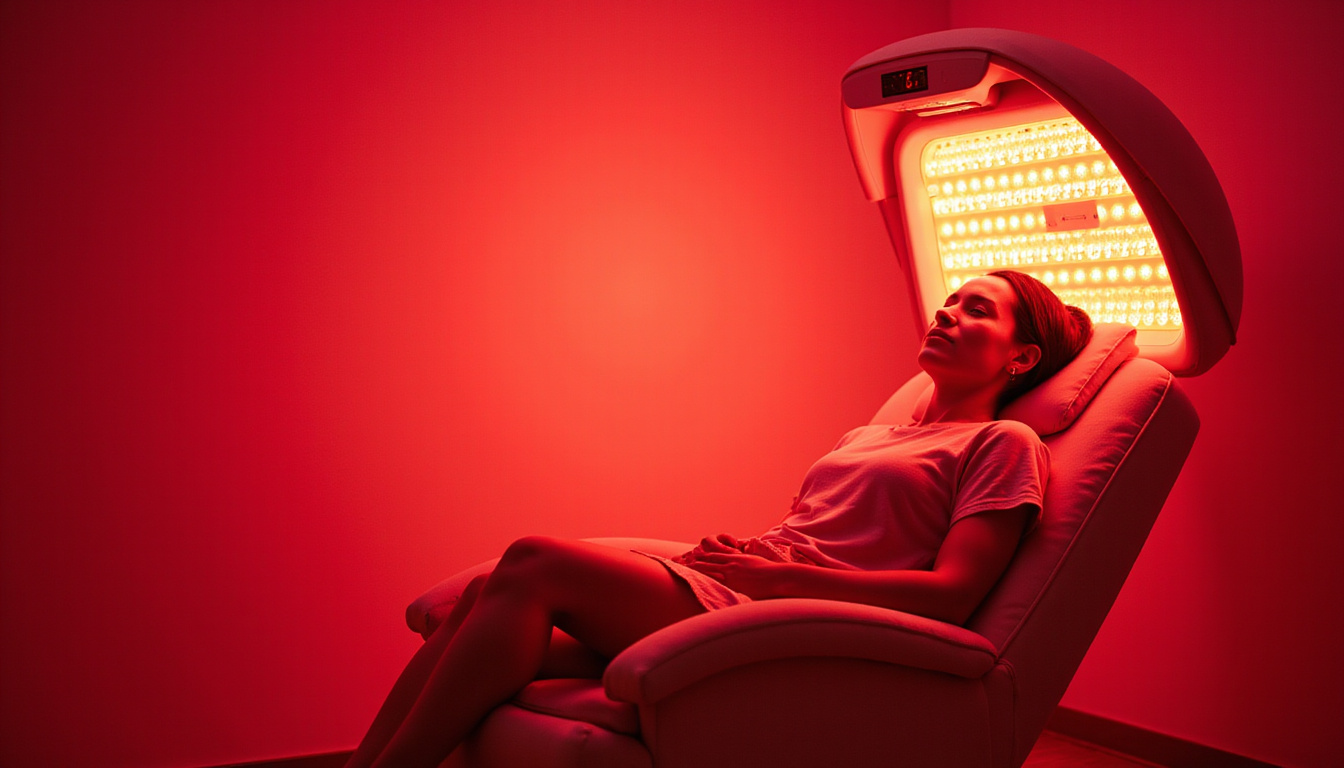
Luxury LED therapy can also appeal to those who see skincare as part of a holistic self-care experience, where the time spent under the device is as important as any visible change. In that context, design, sound, and ritual all play a role.
When the Category May Not Add Meaningful Value
Conversely, there are circumstances where a high-end LED device might not be the most aligned choice:
- Expectation of rapid, dramatic change: LED therapy generally relies on incremental effects over weeks or months of consistent use. Luxury positioning does not inherently accelerate that timeline.
- Preference for minimalism: For someone who favors a streamlined routine with fewer steps, a device that requires structured sessions several times a week may feel burdensome, regardless of its design.
- Limited interest in the experiential aspect: If the primary goal is function at the most basic level, a focus on aesthetics and added features may feel extraneous.
In many cases, the marginal benefit of certain luxury features—such as elaborate app integrations or decorative elements—will depend on how much each individual values those aspects as part of their personal care routine.
A Practical Framework for Evaluating Luxury LED Devices
To navigate the category with more clarity, it can help to consider both the “clinical” and “cosmetic” dimensions of a device:
Technical grounding
- Are wavelengths specified?
- Is there any explanation of energy delivery and recommended schedule?
- Are claims framed as potential support, rather than absolute outcomes?
Safety and suitability
- Are there clear guidelines on who should avoid or cautiously approach use?
- Does the brand acknowledge limitations and the importance of broader skincare habits?
Design and usability
- Is the device comfortable enough to realistically use several times per week?
- Are controls intuitive and instructions straightforward?
Narrative vs. substance
- Does the storytelling complement a transparent technical foundation, or replace it?
- Are unique features explained in terms of why they might matter?
Viewed through this lens, luxury LED therapy becomes less about the label “luxury” and more about how effectively the device integrates science, safety, and experience.
FAQ: Understanding the Luxury LED Category
1. Is luxury LED therapy fundamentally different from standard LED skincare devices?
Not always. The core technology—light at specific wavelengths—is often similar across categories. Luxury options tend to differentiate through design, comfort, multi-sensory features, and brand storytelling. The meaningful technical differences, if present, usually relate to how clearly the brand defines wavelength, energy, and protocol, rather than to the “luxury” label itself.
2. How can I tell if a high-end LED mask or panel meets reasonable clinical standards?
Look for specific wavelengths, an explanation of treatment time and frequency, and balanced language around what the device is designed to support. If claims rely heavily on vague descriptors without clear parameters, it may be difficult to compare the device to established photobiomodulation frameworks, even if it is positioned as a premium tool.
3. Are luxury home LED therapies meant to replace professional in-clinic treatments?
They are typically designed as complementary options rather than replacements. At-home tools often use more moderate energy levels and rely on repeated use, while professional environments may employ different intensities, protocols, and oversight. The role of a home device—luxury or otherwise—is generally to support an ongoing skincare routine, not to substitute for comprehensive professional care.
A More Informed View of Light and Luxury
Luxury LED therapy exemplifies the broader evolution of skincare, where sophisticated technologies migrate from clinical settings into the home, surrounded by narrative, design, and ritual. The category can offer genuine advantages in comfort, usability, and enjoyment—factors that matter for a practice requiring regular, long-term use.
At the same time, the value of any individual device rests less on its status within the luxury landscape and more on the clarity of its technical foundation, the realism of its claims, and its fit within a person’s broader approach to skin care and well-being. Approached with measured expectations and a focus on transparency, LED tools become what they arguably should be: one thoughtfully chosen element in a larger, long-term conversation between skin, lifestyle, and science.